
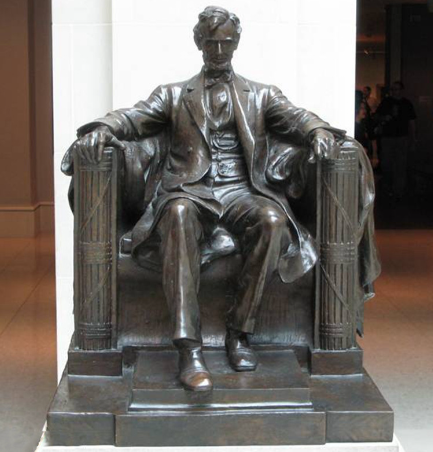
Sculpting thoughtfulness involves more than just intellectual engagement; it’s about embodying an attitude that reflects understanding and empathy. One of the greatest exemplars of this was Abraham Lincoln, whose physical demeanor conveyed as much weight as his words. By examining Lincoln’s posture and gestures, we can learn a lot about how nonverbal communication shapes our interactions and the impressions we leave on others.
1. The Significance of Posture
Abraham Lincoln was known for his tall stature, standing at 6 feet 4 inches, which commanded attention regardless of his posture. However, it was his thoughtful posture that spoke volumes about his character. When he stood with an open stance, shoulders relaxed, and head held high, it signaled confidence and approachability. This openness allowed those around him to feel comfortable and safe while engaging in crucial dialogues, whether during political discussions or personal conversations.
Posture can directly influence our own and others’ perceptions. When individuals maintain an upright, open posture, they are often viewed as more trustworthy and engaged. Lincoln’s posture served as a model for how one might strive to convey humility paired with authority. Adopting such a physical stance in our daily lives can dramatically enhance communication dynamics, whether in professional or personal settings.
-
- Stand tall and maintain an open stance during discussions.
-
- Relax your shoulders to project calmness and approachability.
-
- Make eye contact to create a connection with the speaker.
-
- Use a slight forward lean to show engagement and interest.
2. The Power of Gestures
Lincoln’s gestures were as crucial to his communication as his speech. Through well-timed hand movements, he was able to emphasize key points and create emotional resonance with his audience. For instance, during his speeches, Lincoln often used sweeping arm gestures to illustrate concepts, painting a vivid picture that captivated listeners. This not only reinforced his message but also made complex ideas more accessible to a diverse audience.
Moreover, gestures convey feelings that words often cannot; they can express warmth, urgency, and even empathy. To emulate Lincoln’s ability to communicate effectively through gestures, one can practice incorporating natural hand movements while speaking. It’s important, however, to avoid excessive or distracting gestures which can detract from the message instead of enhancing it.
-
- Use hand gestures to emphasize key points, but keep them natural.
-
- Practice your gestures in front of a mirror for better awareness.
-
- Avoid fidgeting; it can distract from your message.
-
- Match your gestures to your emotional tone to enhance your delivery.
3. Listening with Body Language
Another crucial aspect of Lincoln’s communicative style was his ability to listen attentively, which was often reflected in his body language. He would lean slightly towards the speaker, maintaining a posture that signaled engagement and respect. This form of active listening not only encouraged others to speak openly but also fostered an environment where thoughtful conversation could thrive.
Listening is just as important as speaking, especially in fostering relationships and understanding perspectives. By mirroring Lincoln’s attentive demeanor, one can create a welcoming atmosphere that promotes openness and trust. Simple acts such as nodding or providing verbal acknowledgments can go a long way in reinforcing that you value the speaker’s input.
-
- Maintain eye contact to show engagement while listening.
-
- Lean slightly forward to convey interest in what’s being said.
-
- Practice active listening by summarizing points made by the speaker.
-
- Provide nonverbal cues, like nodding, to show agreement and understanding.
4. The Influence of Setting
Lincoln often understood that the environment in which a conversation took place could dramatically alter its tone and reception. He was known to choose his settings carefully, whether it was a formal meeting in the White House or a more casual gathering. By being mindful of the atmosphere, Lincoln was able to create a backdrop that facilitated better communication and understanding.
Creating a conducive atmosphere for conversations can magnify the effectiveness of one’s posture and gestures. Factors like lighting, seating arrangement, and even ambient noise level can significantly impact how messages are perceived. For example, a well-lit room with comfortable seating can ease tension and promote open dialogue.
-
- Select a quiet, comfortable space for important conversations.
-
- Ensure that your body language matches the tone of your environment.
-
- Adjust lighting to create a warm atmosphere; bright enough to see each other, but soft enough to feel at ease.
-
- Avoid crowded or noisy settings that could lead to miscommunication.
Understanding the intricacies of posture and gesture can transform how we connect with others. Like Lincoln, adopting thoughtful body language can create more meaningful relationships and enhance our communicative abilities. Start leveraging these insights to embody a more thoughtful and engaged presence in all your interactions.