
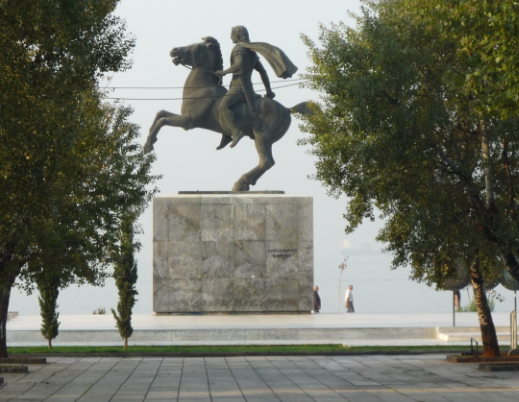
Throughout history, statues of influential figures have adorned public squares, serving not just as artistic expressions but also as embodiments of cultural heritage and values. Among these iconic representations, statues of Alexander the Great stand tall, capturing the imaginations of many. This blog will explore the significance of these monumental statues and their impact on public spaces.
1. The Historical Significance of Alexander the Great Statues
Alexander the Great, known for his unprecedented conquests and the spread of Hellenistic culture, continues to fascinate the world. Statues of him not only honor his achievements but also serve as educational tools, teaching future generations about leadership, courage, and ambition. Many such statues are strategically placed in key city squares, bridging the gap between the past and the present.
In various cultures, these statues often symbolize resilience and the quest for greatness. Cities like Thessaloniki in Greece and Alexandria in Egypt have embraced Alexander’s legacy. In Thessaloniki, for instance, the statue stands as a tribute to local history, while also attracting tourists, who seek to connect with the rich narrative surrounding Alexander’s life.
-
- Research local history related to Alexander the Great.
-
- Visit different public squares and note how statues contribute to the ambiance.
-
- Engage with tour guides to understand the cultural significance.
-
- Photograph and document your experiences with these statues.
2. Architectural Feats: Craftsmanship Behind the Statues
The craftsmanship of Alexander the Great statues varies significantly across regions and eras, showcasing the artistic styles and techniques of different cultures. Some are grand and imposing, made from bronze, marble, or stone, while others may feature intricate designs and inscriptions that tell stories of valor. Each statue reflects the era it was created in, such as the dramatic Baroque styles or the neoclassical movements.
For instance, the famous statue located in Skopje, North Macedonia, is a giant equestrian figure that portrays Alexander in full battle mode. Its grand scale and intricate details, from the horse’s mane to the intricate armor, not only highlight advanced artistic techniques but also signify the heroic narrative associated with his persona. Such craftsmanship draws visitors and prompts admiration, contributing to the city’s identity.
-
- Learn about various materials used in statue construction.
-
- Attend exhibitions showcasing sculpture craftsmanship.
-
- Explore local artists that specialize in monumental sculptures.
-
- Document the differences in artistic styles across statues in various locations.
3. Statues as Community Gathering Spaces
One of the significant functions of Alexander the Great statues in public squares is their role as community gathering points. They often serve as backdrops for events, social interactions, and celebrations, fostering a sense of belonging among residents. Statues can invoke pride and collective identity, becoming symbolic of shared history and heritage.
For example, the statue in Sofia, Bulgaria, is not just a monument but an integral part of local life, often surrounded by vibrant markets and community events. Families, artists, and tourists come together around the statue for festivals, political rallies, and public speeches, solidifying its position within the social fabric of the city.
-
- Organize community events around local statues.
-
- Utilize social media to promote gatherings and discussions.
-
- Engage with local history groups to enhance community connections.
-
- Consider hosting art or music festivals in the vicinity of the statue.
4. The Impact of Alexander the Great Statues on Tourism
Statues of Alexander the Great greatly influence tourism, drawing visitors not only for their beauty but also for the historical significance they represent. Tourists often seek out these monuments to learn about Alexander’s life and the cultural legacy of the regions. This influx of visitors can have a substantial economic impact on the local community.
Cities investing in Alexander statues frequently experience growth in tourism-related businesses, such as cafes, galleries, and shops. Businesses surrounding the statues can thrive by tailoring their offerings to tourists, providing guided tours, or creating themed merchandise that celebrates Alexander’s history. Places like Istanbul incorporate these statues into city tours, encouraging visitors to engage with local culture.
-
- Develop promotional materials that highlight local statues.
-
- Partner with local businesses to enhance tourist experiences.
-
- Create educational guided tours focused on historical figures.
-
- Leverage online platforms for marketing and outreach.
In conclusion, Alexander the Great statues in public squares are not merely artistic endeavors; they serve as crucial elements that foster community, promote tourism, and keep history alive. Whether you’re a local resident or a visitor, take a moment to appreciate these monumental works and the stories they tell. Consider exploring these statues further, whether through personal visits or by engaging with local history to appreciate their lasting impact.