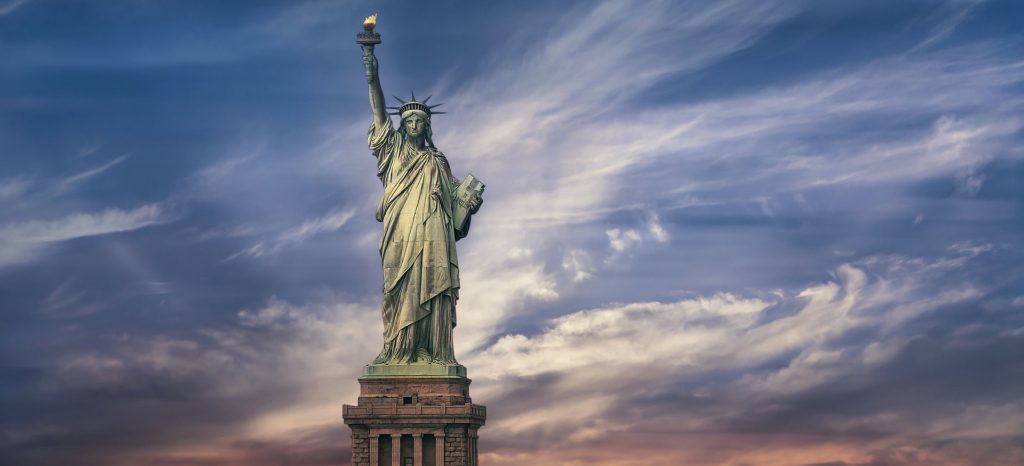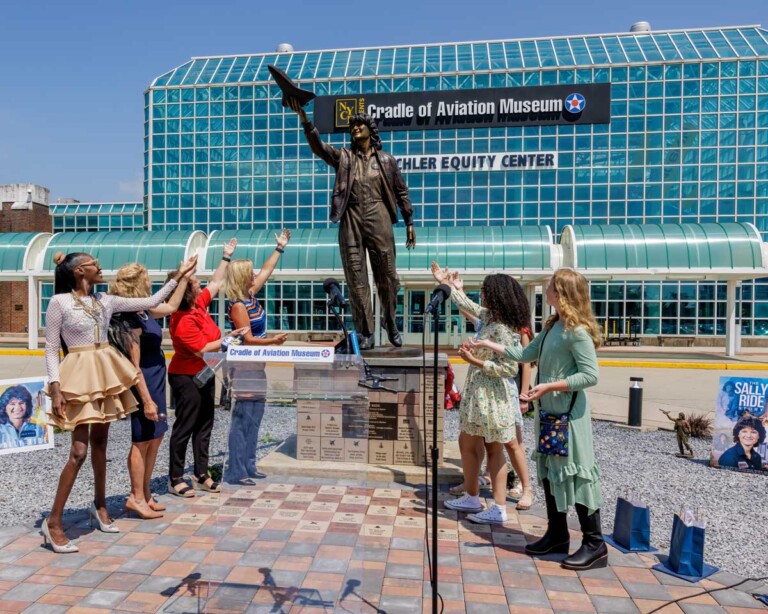
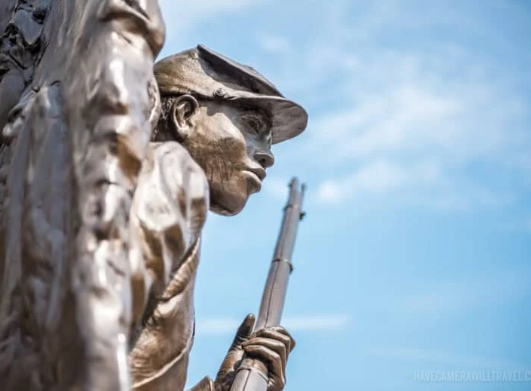
Washington State is rich in history, reflected through its numerous statues that represent both military and civilian contributions. These artworks highlight the narratives of bravery, sacrifice, and community that have shaped the region. Understanding these images can provide deeper insights into the values and stories appreciated by the people of Washington.
1. The Significance of Military Statues
Military statues in Washington play a pivotal role in honoring veterans and significant historical events. The most recognizable might be the Marine Corps War Memorial, which commemorates the U.S. Marines who fought in the Battle of Iwo Jima during World War II. These monuments serve as powerful reminders of the sacrifices made, allowing the public to reflect on the realities of war and the valor exhibited by soldiers.
Such statues often incorporate intricate details that tell a larger story of honor and resilience. For instance, the Washington State Veterans Memorial features engravings that detail various conflicts, inspiring both remembrance and appreciation for those who served. These artworks not only celebrate individual sacrifices but also promote a culture of respect toward active military personnel and veterans alike.
-
- Visit military memorials on significant dates, such as Memorial Day or Veterans Day, to fully appreciate their meaning.
-
- Participate in local ceremonies or events honoring veterans to foster community connection.
-
- Pay attention to the inscriptions and details that tell unique stories of bravery.
-
- Engage in discussions about military history with friends or community groups.
2. Celebrating Civilian Contributions
Civilian imagery in Washington’s statues reflects the achievements and influences of local heroes, leaders, and cultural figures. Statues like the one dedicated to Martin Luther King Jr. in Seattle capture the essence of social justice and civil rights movements, providing a platform for education and dialogue. This civilian representation highlights how communities can shape progress and champion equality.
Moreover, statues of influential figures such as Chief Seattle remind residents of the indigenous roots and the culture that existed long before settlers arrived. These artworks showcase the importance of honoring cultural heritage, fostering understanding and empathy among diverse communities. By celebrating civilian contributions, these statues serve as a bridge connecting the past with the present, inspiring future generations.
-
- Explore local art education programs to learn about the significance of civilian statues in your area.
-
- Engage in local history tours that feature various civilian monuments to enhance your understanding.
-
- Share stories of influential local figures with family and friends to keep their legacies alive.
-
- Participate in community discussions focused on cultural heritage and civil rights.
3. The Role of Statues in Community Engagement
Statues serve not only as artistic expressions but also play a crucial role in promoting community engagement. They provide vital spaces where people can convene, reflect, and celebrate shared history. Statues often become focal points for gatherings, allowing individuals from diverse backgrounds to connect over shared stories and experiences, fostering a sense of belonging.
Moreover, many communities host events such as festivals or educational tours centered around these statues. Such gatherings can enhance awareness about important social issues, encourage civic participation, and drive community-led initiatives. By offering a platform for dialogue, statues become instruments of social change, rallying people together to address contemporary issues while honoring the past.
-
- Attend community events that highlight local statues and their significance.
-
- Organize discussions or panels around the historical context of your local statues.
-
- Encourage youth participation in projects focused on local heritage and community pride.
-
- Advocate for the preservation and maintenance of public monuments to sustain local history.
In conclusion, the military and civilian imagery encapsulated in Washington statues is not just decorative; they invite us to contemplate the stories and sacrifices that shape our communities. Engaging with these monuments encourages greater understanding of our past while promoting an ongoing dialogue about our collective future. Consider visiting a local statue today to reflect on its significance for you and your community.