
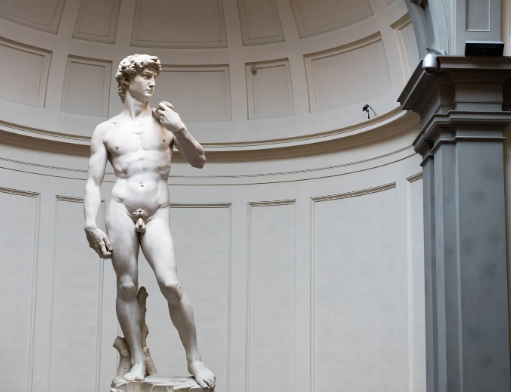
Michelangelo, one of the towering figures of the Renaissance, created some of the most iconic sculptures that demonstrate not just artistic genius but also the concept of authority in art. His statues transcend mere representation; they embody cultural and historical significance. In this blog post, we will delve into how Michelangelo’s sculptures assert artistic authority through form, emotion, and timeless influence.
1. The Mastery of Form
Michelangelo’s sculptures, particularly his renowned works like “David” and “Pietà,” illustrate his unparalleled understanding of human anatomy. He meticulously studied the male and female forms, capturing their complexities with striking precision. The muscular details in “David” showcase not only physical strength but also an inner vitality, representing an idealized human form reflective of Renaissance ideals. Furthermore, “Pietà,” through its delicate rendering of Mary cradling the dead body of Jesus, captures both the fragility of human life and the weight of grief—showing that the artist can encapsulate profound emotion with mastery over form.
Each sculpture tells a story through its physicality, which allows Michelangelo to communicate authority over the arts. This mastery is not solely technical; it taps into philosophical concepts of beauty and truth, which resonate even today. By elevating the human experience through visually stunning representations, he not only secured his own place in history but also set a standard for artistic excellence.
-
- Study human anatomy to understand proportion and form.
-
- Experiment with different materials to see how they affect your sculpture.
-
- Analyze other artists’ works to compare techniques in capturing emotion.
-
- Practice sketching human figures to improve observational skills.
-
- Visit museums or exhibitions to gain inspiration from masterworks.
2. Emotion and Expression
Emotion is a critical aspect of Michelangelo’s artistry, elevating his works from mere sculptures to powerful narratives. The intense expressions in “David” exhibit not just focus but a sense of purpose, engaging the viewer directly. It’s this emotional engagement that allows spectators to connect with the work on a personal level, fostering a deeper appreciation for the craftsmanship and intention behind it. Similarly, “Pietà” is laden with emotion; Mary’s sorrow manifests in her posture and the softness of her features, compelling viewers to resonate with her pain.
By channeling raw emotion through his sculptures, Michelangelo asserts an artistic authority that challenges the viewer’s expectations. Willingness to convey vulnerability through strong characters adds depth and invites responses that enhance the narrative aspect of art. Art becomes not just a visual feast, but an emotional journey, reinforcing the idea that true masterpieces evoke feelings as much as they impress with skill.
-
- Identify the mood you want to convey in your work.
-
- Experiment with facial expressions to convey emotions effectively.
-
- Consider the body language of your subjects—it’s just as impactful.
-
- Solicit feedback on emotional impact from friends or art communities.
-
- Engage with art forms like theater or music to understand emotional expression holistically.
3. Timeless Influence and Cultural Legacy
Michelangelo’s influence on subsequent generations of artists cannot be overstated. His techniques and emotional depth have inspired countless artists from various periods, extending well into contemporary art. The concept of “Classicism” in art has roots deeply embedded in Michelangelo’s work. His ability to combine classical ideals with inherent humanity opened new avenues for expression and serves as a guide for artists navigating the complexities of their creative endeavors.
The legacy of Michelangelo’s sculptures continues to shape our understanding of what art can achieve—both as a form of personal expression and a medium for societal commentary. His works invoke discussions on themes ranging from spirituality to the human condition itself. As such, Michelangelo doesn’t merely represent authority in artistry; he embodies the quest for understanding the self in relation to the world.
-
- Explore how your artistic style can be influenced by past masters.
-
- Read about the lives of influential artists and their philosophies.
-
- Attend workshops that focus on classical techniques.
-
- Create a portfolio reflecting your unique interpretations of classic themes.
-
- Participate in discussions about the relevance of art history in contemporary contexts.
In conclusion, Michelangelo’s statues are not just commendable pieces of art; they stand as monuments of artistic authority that continue to resonate today. Understanding his mastery, the emotional depth of his work, and his lasting influence provides a roadmap for aspiring artists. Take the next step in your artistic journey—immerse yourself in similar studies or practice techniques inspired by masters like Michelangelo to further enrich your own creative expression.