
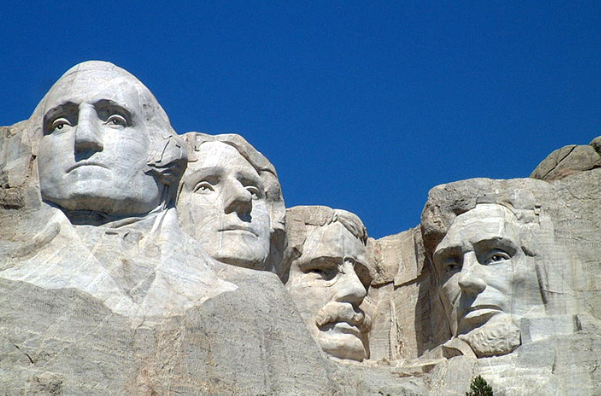
Lincoln sculptures, iconic representations of the 16th President of the United States, stand as profound cultural symbols of unity. More than mere artistic endeavors, these sculptures encapsulate ideals of liberty, equality, and reconciliation, reflecting the historical and emotional landscape of the nation.
1. Historical Significance of Lincoln Sculptures
The history of Lincoln sculptures dates back to the era following his assassination in 1865. Artists sought to immortalize Lincoln’s legacy, creating works that symbolized the reunification of a fractured nation. The most famous example is the Lincoln Memorial in Washington, D.C., designed by architect Henry Bacon and completed in 1922. This colossal statue not only honors Lincoln but also serves as a gathering place for significant civil rights events, such as Martin Luther King Jr.’s “I Have a Dream” speech.
Moreover, numerous statues across the United States echo themes of unity and emancipation. For instance, the Lincoln and Soldiers’ Monument in Chicago, unveiled in 1887, pays tribute to the Union soldiers who fought during the Civil War. These sculptures serve as reminders of the resilience and strength required to overcome divisions in society.
-
- Research the origins of various Lincoln sculptures.
-
- Visit local monuments and learn their historical context.
-
- Attend guided tours that explain the significance of these artworks.
-
- Share stories about these sculptures with friends and family.
2. Lincoln Sculptures as Symbols of Reconciliation
Lincoln’s legacy is deeply intertwined with themes of forgiveness and reconciliation. Sculptures like the one at the National Cathedral in Washington, D.C., depict Lincoln in a pensive pose, symbolizing the nation’s need for healing after the Civil War. These visual representations have acted as a balm for collective wounds, propelling discussions around unity and understanding among diverse communities.
Statuary art has the power to foster dialogue, prompting visitors to reflect on current societal challenges. For example, during the centennial of the Lincoln Memorial, various cultural events emphasized the ongoing struggle for civil rights, underscoring that Lincoln’s vision of unity still resonates today. These moments remind us that monuments are not just fixed symbols; they are living reminders of our commitment to shared values.
-
- Engage with community discussions about current societal issues.
-
- Visit Lincoln-focused events that promote dialogue and understanding.
-
- Support initiatives that honor Lincoln’s values in modern contexts.
-
- Encourage young people to learn about history through local sculptures.
3. The Role of Lincoln Sculptures in Modern Society
In contemporary society, Lincoln sculptures continue to serve as catalysts for unity and reflection. They invite audiences to confront historical injustices while promoting a vision of hope and collective progress. Through art, communities can explore difficult narratives, fostering a deeper understanding of the necessity of unity in confronting societal issues today.
Furthermore, public art initiatives are incorporating modern technology to enhance the experience of Lincoln sculptures. Interactive exhibits and augmented reality applications allow visitors to engage with the artworks in a more meaningful way. This intersection of tradition and technology offers new avenues for educating the public about the importance of Lincoln’s ideals in shaping a united nation.
-
- Explore interactive exhibits in your local area.
-
- Participate in discussions that connect history with today’s social issues.
-
- Advocate for art programs that focus on civil rights themes.
-
- Share your experiences with Lincoln sculptures on social media platforms.
Through understanding the historical significance, the themes of reconciliation, and the role in modern society, Lincoln sculptures emerge as essential symbols of unity. They not only remind us of our past but also inspire us to strive for a more inclusive future. Embrace the power of these sculptures by visiting them and considering what they represent in the context of today’s world.