
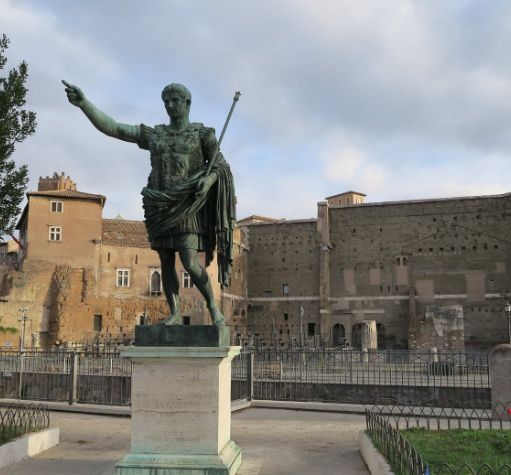
Julius Caesar, a towering figure in ancient history, is not only remembered for his military prowess and political acumen but also for the monumental statues that depict his legacy. These statues, prominently displayed in cultural heritage parks around the world, provide insight into Roman history and its enduring influence on modern civilization. Explore the significance of these statues and how they contribute to our understanding of cultural heritage.
1. The Historical Significance of Julius Caesar Statues
Statues of Julius Caesar serve as reminders of the Roman Empire’s vastness and its impact on various cultures. They symbolize power, governance, and military strategy, reflecting the values and aesthetics of ancient Rome. For instance, a prominent statue in the Roman Forum serves not only as a tribute to Caesar’s leadership but also as an insight into the political climate of his time. These statues often depict Caesar with laurel wreaths, emphasizing his successes and divine favor in the eyes of the public.
Furthermore, cultural heritage parks worldwide use these statues to educate visitors about the complexities of Roman history. From the style of the sculptures to the materials used, each statue tells a unique story about the era in which it was created. Museums and parks typically curate informative exhibits alongside these statues, allowing guests to engage with history through interactive displays, workshops, and guided tours. This balanced blend of artistic representation and historical context enriches the experience for visitors.
-
- Visit cultural heritage parks with rich historical exhibits.
-
- Explore online databases for virtual tours of significant statue locations.
-
- Attend talks or seminars on Roman history hosted in these parks.
-
- Engage with park historians for in-depth discussions on the context of the statues.
2. Artistic Interpretations and Varieties of Statues
The artistic representations of Julius Caesar vary significantly, sculpted in diverse materials like marble, bronze, and clay. Each medium offers distinct artistic qualities, such as the detailed realism seen in marble statues versus the dynamic expressions carved in bronze. These differences often reflect the artistic trends of their respective eras; for instance, the Classical style focuses on idealized beauty, while later interpretations may take on more emotional and dramatic forms. An example of this can be seen in the marble statue located in the Vatican Museums, which employs a naturalistic approach capturing Caesar’s features and attire.
The variety doesn’t stop at materials; many statues depict Caesar in various poses. Some represent him as a general in military attire, while others portray him in formal robes as a politician. This range of artistic interpretations helps convey the multifaceted character of Caesar. Visitors to cultural heritage parks can find both replicas and original pieces, each playing a vital role in maintaining the narrative of Roman legacy worldwide.
-
- Familiarize yourself with different artistic styles of Roman sculptures.
-
- Observe how materials affect the representation of historical figures.
-
- Attend workshops on sculpting techniques related to ancient art.
-
- Explore guided tours accentuating the artistic context of these statues.
3. The Role of Cultural Heritage Parks in Preservation and Education
Cultural heritage parks serve as vital institutions in the preservation of Julius Caesar statues and other historical artifacts. These parks usually encompass extensive grounds that not only allow for the safe display of statues but also provide educational resources, such as visitor centers and libraries. Preservation efforts often involve careful environmental monitoring to ensure that the statues remain in optimal condition over time. Additionally, many parks engage in restoration projects addressing wear and tear caused by weather elements or human interaction.
Beyond preservation, these parks play a crucial role in educating the public about local and global history. Public programs, including lectures, reenactments, and school tours, utilize the statues as focal points for broader discussions about governance, ethics, and leadership throughout history. By fostering a deeper understanding through engaging activities, cultural heritage parks inspire the next generation to appreciate and preserve their cultural legacies.
-
- Support heritage parks through donations or volunteer work.
-
- Participate in educational programs offered by cultural heritage parks.
-
- Spread awareness of the preservation efforts in local communities.
-
- Encourage schools to organize field trips to these important sites.
In conclusion, Julius Caesar statues in cultural heritage parks represent a confluence of art, history, and education. They not only visualize the grandeur of ancient Rome but also act as tools for enriching our understanding of the past. It’s encouraging to see communities advocating for preservation and education related to these historical pieces. Consider visiting your nearest cultural heritage park and engaging with these figures of history to enrich your own perspective.