
Augustus, the first emperor of Rome, established a form of imperial authority that not only transformed the political landscape but also the artistic expressions of his time. Sculptures created during his reign played a pivotal role in communicating and solidifying this authority, blending artistry with political propaganda. Understanding how these sculptures impacted Roman society provides insight into the mechanisms of power in ancient times.
1. The Aesthetic of Authority
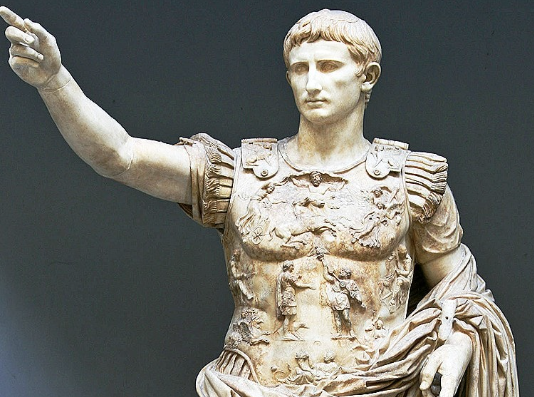
One of the most significant aspects of Augustus’s sculptures is their aesthetic. The visual representation of the emperor was crafted intentionally to resonate with both the elite and the common people. For example, the famous statue known as the Augustus of Primaporta showcases a youthful, muscular figure, reflecting ideals of beauty and strength that were associated with divine authority. The image communicates ideas of power and legitimacy, reinforcing Augustus’s status as a leader descended from the gods.
Furthermore, the choice of materials and style played a crucial role. Many sculptures were made from white marble, symbolizing purity and permanence. The grandeur of these artworks not only elevated Augustus himself but also marked the beginning of a new artistic style known as the “Augustan style,” which emphasized idealized beauty and heroic proportions. This shift fundamentally altered the way leaders were portrayed in art.
-
- Research the characteristics of the Augustan style in sculpture.
-
- Examine the symbolism behind specific details in Augustus’s statues.
-
- Compare Augustus’s sculptures with those of previous leaders.
-
- Look into the materials used and their traditional significance.
2. Political Propaganda Through Imagery
Augustus’s reign marked a turning point in the use of art for political propaganda. The sculptures served not just as representations of the emperor but as a means of communicating his achievements and reinforcing his legitimacy. For example, the resplendent Ara Pacis, or Altar of Peace, depicts scenes of peace and prosperity that directly relate to Augustus’s policies. Such imagery crafted a narrative that exalted his rule while aligning him with the prosperity of the Roman state.
Moreover, many sculptures include depictions of family members, emphasizing Augustus’s connection to traditional Roman values like piety and family loyalty. This was significant for establishing the Julian line and presenting Augustus as Rome’s protector. Combining personal and political imagery in art solidified his lineage while simultaneously crafting a desired public perception. Sculptures became instruments of state narratives, celebrating not only the emperor but also the ideals of the empire.
-
- Identify key themes in the propaganda of Augustus’s art.
-
- Analyze the narratives conveyed through specific sculptures.
-
- Explore the role of family in Augustus’s public image.
-
- Study how sculptures aligned with Augustus’s political messaging.
3. The Legacy of Augustus’s Sculptures
The legacy of Augustus’s sculptures extends far beyond his reign. They set a benchmark for imperial representation in Roman art, influencing subsequent emperors and artists. The idealized form of Augustus was replicated in various media, including coinage, reliefs, and additional sculptures, which perpetuated his image as an emblem of Roman ideals. Even centuries later, the aesthetics pioneered during Augustus’s time persisted in the art of the Roman Empire.
Additionally, contemporary and later leaders adopted this model of artistic expression, recognizing the power of visual representations in shaping public perception. This continuity of style emphasizes the enduring significance of Augustus’s sculptures not only in Italy but throughout the vast territories of the Roman Empire. Their legacy endures into modern times, influencing art and governance worldwide.
-
- Research examples of later Roman leaders’ sculptures that mimic Augustus’s style.
-
- Explore how Augustus’s art influenced Renaissance artists.
-
- Identify recurring themes in imperial representations across history.
-
- Discuss how contemporary political figures utilize sculpture and similar art forms today.
In conclusion, the sculptures of Augustus represent a multifaceted interplay between art and authority, serving as powerful tools for political propaganda and establishing enduring ideals of leadership. To better understand the relevance of these artistic expressions in shaping historical narratives, consider delving into further research or visiting museums housing these magnificent works. Engaging with this history can deepen your appreciation for the lasting impact of art in politics.