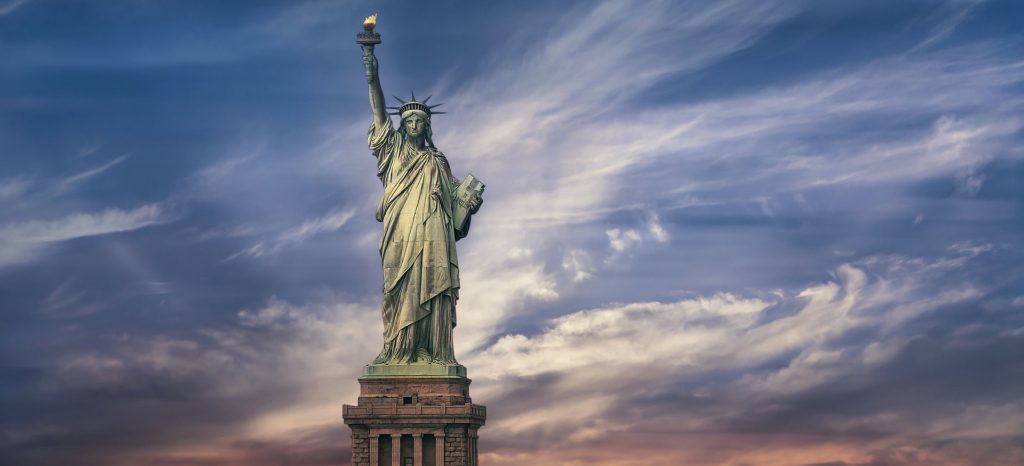
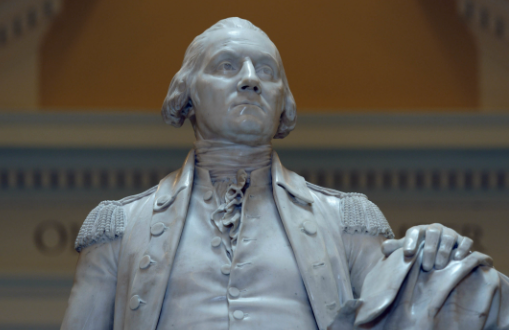
The statues of George Washington serve as significant symbols, representing not only the historical figure himself but also the values and ideals of the nation. These monuments play a crucial role in understanding the formation of American national identity and collective memory.
1. The Historical Context of Washington Statues
George Washington, as the first President and a pivotal leader during the American Revolution, became a symbol of freedom and democracy. The first Washington statue was commissioned in the 18th century, and since then, numerous statues have been erected across the country, each reflecting the sentiments of their time. These monuments were often built during moments of national unity or celebration, showcasing the creation of a unified national identity around the figure of Washington.
Many of these statues encapsulate specific historical events or periods, such as the Revolutionary War or the Civil War. They serve not just as tributes to Washington’s contributions, but as reflections of the evolving ideals and challenges faced by the nation. For instance, in the wake of the Civil War, Washington monuments helped to bridge divides, reinforcing common values of liberty and union.
-
- Research the historical context before visiting a statue.
-
- Learn about the dedication ceremony and the reasons behind its creation.
-
- Consider how political climate influenced its design or placement.
-
- Explore local narratives connecting Washington’s legacy to contemporary issues.
2. The Role of Art and Symbolism in National Identity
Washington statues are art pieces that convey rich symbolism. The materials, poses, and locations of these statues often carry deeper meanings intended by the sculptors and the communities that erected them. For instance, many statues depict Washington in heroic poses, suggesting bravery and integrity, aiming to inspire viewers and reinforce shared national pride.
The placement of these statues, whether in parks, government buildings, or public squares, is also a deliberate choice that underscores their significance. For example, the prominent location of the Washington Monument in Washington, D.C. aligns the figure of Washington with the ideals of democracy and governance. Such art becomes a tool for civic engagement, encouraging citizens to reflect on their values and heritage.
-
- Observe the materials used and their historical significance.
-
- Explore the symbolism in the statue’s pose and attire.
-
- Consider the impact of the statue’s location on its meaning.
-
- Engage in discussions about the statue’s portrayal of American identity.
3. Contemporary Perspectives on Washington Statues
In recent years, the statues of George Washington have faced scrutiny and debate, prompting discussions about representation, colonialism, and historical context. Critics argue that while Washington’s contributions are significant, they must be viewed within the complexities of slavery and racial inequality. This discourse has resulted in calls for reevaluation of these symbols in public spaces.
Supporters of the statues argue that they are essential for honoring American history in its entirety, including both the accomplishments and the shortcomings. Dialogues surrounding these statues reflect broader societal conversations about identity, heritage, and the legacies we choose to commemorate. The ongoing debates highlight the tension between honoring history and addressing present-day injustices.
-
- Engage in local discussions or forums about historical monuments.
-
- Read diverse perspectives on Washington’s legacy.
-
- Reflect on how these monuments affect current societal issues.
-
- Consider participating in community efforts for historical preservation or change.
4. The Future of Washington Statues
The future of statues commemorating George Washington remains uncertain amidst changing societal values. Some communities may choose to relocate, repurpose, or even dismantle these monuments, while others may add contextualizing information to educate visitors about the complexities of Washington’s legacy. This evolution reflects a larger trend in addressing America’s multifaceted history.
Future efforts may include creating dynamic spaces that honor the contributions of diverse figures within American history. This approach aims not only to celebrate but also to educate future generations about the complexities of identity and heritage. Statues can potentially be part of a broader historical narrative that embraces a variety of voices and experiences in American history.
-
- Stay informed about local discussions regarding statues and monuments.
-
- Explore opportunities for public art that represents diverse histories.
-
- Encourage local initiatives to create inclusive historical narratives.
-
- Become involved in community forums that focus on heritage and identity.
Addressing the legacy of George Washington statues is crucial in understanding America’s evolving identity. Engaging with these discussions is an opportunity not only to learn about history but also to contribute to shaping a more inclusive narrative for the future. Take the time to reflect on your own community’s heritage and consider how it impacts our national identity.