
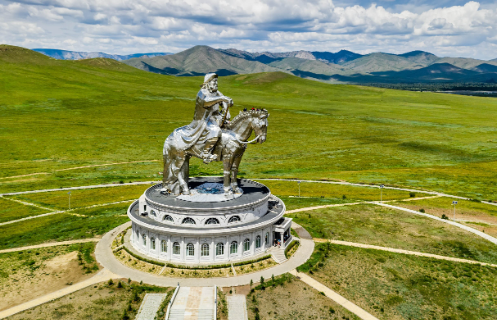
Cultural tourism offers an exciting opportunity to explore the heritage and legacies of iconic historical figures. Among these, Genghis Khan stands out, not just for his conquests, but for the profound impact he has had on Eurasian culture. One striking representation of this legacy can be seen in the magnificent statues dedicated to him, drawing visitors from around the globe.
1. Genghis Khan Statues: An Overview
Genghis Khan statues are monumental tributes that depict the founder of the Mongol Empire. One of the most notable of these is the Genghis Khan Equestrian Statue located near Ulaanbaatar, Mongolia. Standing at 40 meters tall, this statue is one of the highest equestrian statues in the world, drawing thousands of tourists each year who are eager to learn about this formidable leader.
The statue itself is made of stainless steel and features Genghis Khan on horseback, gazing toward the east, symbolizing his vision of Mongolian greatness. Alongside the statue, there are also cultural exhibitions and reenactments, offering visitors a chance to step back in time and understand the Mongolian lifestyle during Khan’s reign.
-
- Plan your visit during the summer months for the best weather.
-
- Allocate enough time for both the statue and the surrounding cultural exhibits.
-
- Consider joining guided tours for a more enriching experience.
-
- Check local customs and etiquette when interacting with residents.
2. Cultural Significance and Tourism Impact
The cultural significance of Genghis Khan statues goes beyond mere representation; they become symbols of national identity and pride for the Mongolian people. Many visitors do not just come for the visual thrill but are also genuinely interested in understanding Mongolian history and culture. As a result, the presence of these statues directly contributes to local economies through tourism.
Moreover, the Genghis Khan statue serves as a focal point for historical discussions and celebrations throughout the year. Annual events, including horse racing and traditional festivals, attract tourists and engage local communities, reinforcing the idea that cultural heritage is a vital living aspect rather than a relic of the past.
-
- Attend local festivals for an authentic experience.
-
- Engage with local guides to gain deeper insights.
-
- Take part in workshops to learn about traditional crafts.
-
- Sample local cuisine to connect with the culture through food.
3. The Future of Genghis Khan Statues in Tourism
As cultural tourism continues to evolve, the statues of Genghis Khan are likely to grow in significance. Innovations in technology, such as augmented reality experiences, could enable visitors to understand the historical context surrounding Khan and his empire in a more interactive way. Future investments may also focus on constructing more immersive cultural landscapes that enhance the visitor experience.
The popularity of these statues as tourist destinations encourages the development of sustainable tourism practices. Local governments and organizations are increasingly mindful of balancing tourism with environmental conservation, ensuring that the areas surrounding these statues remain pristine and culturally rich.
-
- Stay informed about new tourist initiatives and offerings.
-
- Support businesses that implement sustainable practices.
-
- Volunteer for local cultural preservation projects.
-
- Spread the word about responsible tourism practices.
Visiting Genghis Khan statues offers an unforgettable experience that merges history, culture, and landscape. Whether you’re a history buff or a casual traveler, exploring these monuments can deepen your appreciation for Mongolia’s rich heritage. As tourism traffic increases, consider ways to participate in sustainable practices that honor the culture and protect the sites for future generations.