
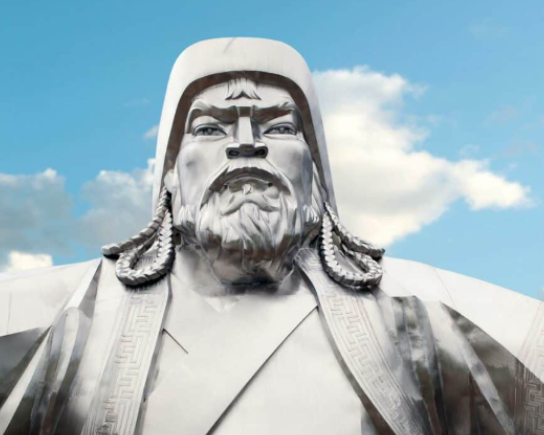
Genghis Khan, a name that resonates with power, unification, and empire-building, has left an indelible mark on history. His legacy is not only preserved in books and historical accounts but also in the stunning sculptures that honor his memory. These works of art serve as icons of his vast empire and provide insight into the era he shaped.
1. The Artistic Representation of Genghis Khan
Throughout history, the image of Genghis Khan has been encapsulated in various artistic forms, most notably through sculptures. These artistic renditions often reflect the values and beliefs of the Mongolian culture during his reign. The sculptures frequently portray him mounted on horseback, symbolizing not just his military prowess but also his connection to the nomadic lifestyle of his people.
For instance, the colossal equestrian statue of Genghis Khan at Tsonjin Boldog, near Ulaanbaatar, stands as the tallest equestrian statue in the world. Towering at 40 meters, this monument depicts Genghis Khan holding a golden whip and symbolizes the greatness of his leadership. Such sculptures are not merely decorative; they evoke national pride and serve as vital historical markers for understanding the empire he established.
-
- Research the history behind the sculptures.
-
- Visit local art galleries that feature Mongolian artifacts.
-
- Engage with historians or art curators specializing in Mongolian history.
-
- Consider how different cultures portray historical figures through art.
2. Genghis Khan as a Symbol of National Identity
In Mongolia, Genghis Khan is more than a historical figure; he epitomizes the nation’s identity. His sculptures have become emblematic of Mongolian independence and resilience, serving as a reminder of their past glory. Statues depicting him are scattered across the country, from public squares to rural landscapes, reinforcing a sense of belonging and unity among its citizens.
Moreover, these sculptures provide an opportunity to educate both locals and tourists about Mongolian history and culture. Many visitors travel to see these monumental works, associating them with the rich traditions and heritage of Mongolia. This has therapeutic implications for national pride, especially among younger generations who seek to connect with their roots.
-
- Visit local museums to view historical sculptures and gain context.
-
- Participate in cultural festivals that celebrate Mongolian traditions.
-
- Explore the stories of local artists who specialize in helping preserve Mongolian heritage.
-
- Encourage discussions about national identity in schools or community centers.
3. Tourism and Economic Impact of Genghis Khan Sculptures
The grandeur of Genghis Khan sculptures significantly impacts Mongolia’s tourism sector. These monumental pieces attract thousands of visitors each year, creating opportunities for local businesses. Hotels, restaurants, and craft shops flourish around popular sites, which helps stimulate the economy and promote cultural exchange.
Additionally, the rise of eco-tourism packages focused on historical and cultural exploration has linked the study of Genghis Khan with sustainable travel. Tourists can partake in guided tours that include visits to these iconic sculptures, thereby deepening their understanding of Mongolian culture while supporting local economies. This intersection of history and tourism serves as an engine for growth, ensuring that the legacy of Genghis Khan continues to thrive.
-
- Research tourism trends related to Genghis Khan sculptures.
-
- Support local artisans and businesses during your travels.
-
- Share your experiences on social media to promote Mongolian tourism.
-
- Contribute to discussions about sustainable tourism practices.
4. Political and Cultural Controversies Surrounding Genghis Khan Sculptures
While Genghis Khan sculptures hold significant historical and cultural value, they are not without controversy. Some critics argue that glorifying figures associated with violence can be problematic, especially in today’s context. Detractors highlight the complex legacy of Genghis Khan, particularly his conquests that led to widespread destruction and loss of life.
This complexity compels society to engage in conversations about the dualities of historical figures. Acknowledging these multiple narratives is essential, facilitating a more nuanced understanding of history and its representation in art. Discussions surrounding these monuments can serve as educational opportunities, encouraging critical thinking about how we remember and honor history.
-
- Encourage dialogue about historical narratives and their contemporary implications.
-
- Attend lectures or discussions on the complexities of historical commemoration.
-
- Explore varying perspectives on Genghis Khan through documentaries or books.
-
- Contribute to initiatives that promote inclusive history education.
In summary, Genghis Khan sculptures serve as dynamic icons of an expansive empire and offer insights into the cultural and historical significance of Mongolia. As you engage with these monumental pieces of art, consider the various narratives intertwined with their legacy. Embrace opportunities to learn more, visit, and reflect on the influence these sculptures have on contemporary society.