
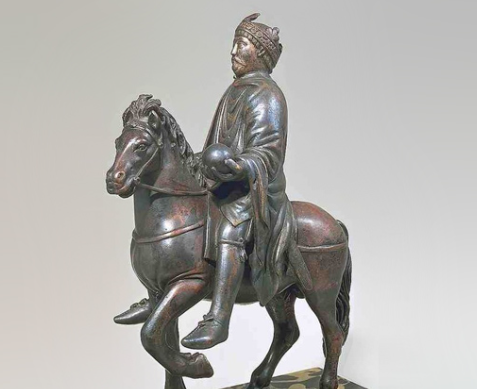
Equestrian Charlemagne sculptures hold a significant place in art and history, representing not only the legendary figure of Charlemagne but also the artistic achievements of the medieval period. These sculptures can be found in various locations across Europe and serve as a testament to the cultural and political climate during Charlemagne’s reign. In this blog post, we will explore their historical context, significance, and impact on art and culture.
1. The Historical Significance of Charlemagne
Charlemagne, or Charles the Great, was the King of the Franks and later crowned Emperor of the Romans in the year 800. His reign marked the Carolingian Renaissance, a period of cultural revival in the arts and education. The unification of much of Western Europe under his rule set the stage for the eventual emergence of modern European nations, making him a central figure in European history.
His leadership not only expanded territories but also promoted learning, literature, and architecture. Charlemagne established a network of schools and sponsored scholars, significantly affecting the intellectual landscape. The significance of his rule can still be felt today, with many institutions of higher learning tracing their roots back to this transformative period.
-
- Study Charlemagne’s political strategies and their effects on European unity.
-
- Explore the ways he influenced education and the spread of literacy.
-
- Identify key figures associated with the Carolingian Renaissance.
-
- Research the territories conquered during Charlemagne’s reign.
2. Equestrian Representations in Art
Equestrian sculptures have a long-standing tradition in art, symbolizing power, prestige, and authority. The depiction of Charlemagne on horseback embodies those traits, illustrating both his military prowess and his role as a leader. Prominent examples of these sculptures can be found in landmarks across Europe, including the famous equestrian statue of Charlemagne in the Palazzo dei Normanni in Palermo.
These sculptures often utilize bronze or marble, materials that symbolize durability and importance. The poses and details of the sculptures are carefully designed to evoke awe; for instance, Charlemagne’s outstretched arm often conveys a sense of command and determination. Artists not only aimed to immortalize his image but also to inspire future generations about the ideals of leadership and valor.
-
- Observe the materials used in equestrian sculptures and their significance.
-
- Note the details in posture and facial expressions in various depictions.
-
- Research other historical figures represented in similar ways.
-
- Visit art museums with collections of equestrian sculptures.
3. The Legacy of Equestrian Statues in Modern Times
The legacy of Charlemagne’s equestrian sculptures continues to influence modern art and architecture. Today, these representations serve not only as historical markers but also as sources of inspiration for contemporary artists, architects, and designers. Cities often commission equestrian statues as a tribute to their own leaders, reflecting the continued relevance of this artistic form.
Moreover, these sculptures play a role in tourism and education, drawing visitors eager to learn about history and appreciate art. They function as cultural icons that provide a glimpse into the past, showcasing the grandeur of earlier times and the evolution of artistic style. Cities like Aachen and Rome are prime examples where this legacy persists, offering rich narratives surrounding their celebrated sculptures.
-
- Explore modern interpretations of historical figures in art.
-
- Engage with local tour guides to learn more about equestrian structures.
-
- Support local artists creating contemporary pieces inspired by historic works.
-
- Participate in discussions or forums about public art and its significance.
In conclusion, equestrian Charlemagne sculptures offer a unique lens through which we can appreciate both historical and artistic lineage. Understanding their context deepens our connection to the past and emphasizes the importance of leadership ideals that continue to resonate in today’s world. Visit local galleries, museums, or historical sites to explore these fascinating artworks firsthand and engage with their rich narratives.