
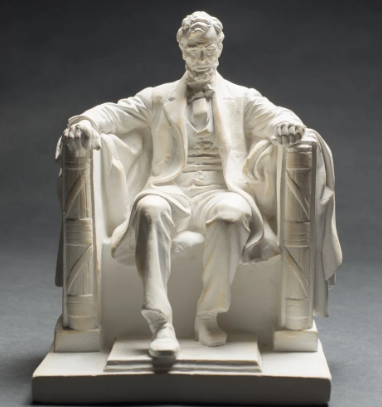
Abraham Lincoln is one of the most revered figures in American history, not just for his leadership during a critical time, but also for his deep emotional intelligence. Sculptures designed to capture his likeness often reflect his complex emotional restraint, symbolizing strength, vulnerability, and the moral weight he carried. This post explores how emotional restraint plays a crucial role in Lincoln’s sculpture design and the implications this has for recognizing the nuances of human emotion.
1. The Emotional Depth of Lincoln’s Portrayal
When sculptors like Daniel Chester French created Lincoln’s monuments, they aimed to present not just a likeness but an embodiment of Lincoln’s character. The emotional depth is often captured in the positioning of the figure, the facial expressions, and the details of textures in the sculpture. For instance, the seated Lincoln in the Lincoln Memorial features a contemplative expression, suggesting both strength and introspection. This is a deliberate design choice that speaks to Lincoln’s ability to handle immense pressure while also reflecting on profound ethical dilemmas.
Another important element is Lincoln’s posture, often depicted with slightly slumped shoulders and a steady gaze. This stance conveys a sense of heaviness, acknowledging the burdens he bore during his presidency. Sculptors skillfully employed these physical traits as a way to represent emotional restraint, showing a leader who is steadfast yet deeply affected by the state of the nation. This careful balance adds layers to the statue’s interpretation, making it more than just a public display but a storytelling medium.
-
- Observe the details in facial expressions for emotional cues.
-
- Consider how posture can influence perception of a figure.
-
- Analyze other sculptures for similarities in emotional portrayal.
-
- Explore artists’ biographies for insights into their design choices.
2. Techniques of Emotional Restraint in Sculpture
Sculptors utilize a variety of techniques to evoke emotional restraint through their works. One notable technique is the choice of materials. Marble, for instance, has a cool, smooth texture that can communicate calmness and stability. Using this material in Lincoln sculptures not only captures the dignity of the man but also serves to reflect the emotional restraint he displayed. Similarly, the placement of the statue in a public space allows for audience interpretation, encouraging personal reflections on Lincoln’s moral standing and the societal issues he faced.
Additionally, the scale of the sculpture plays a significant role in how emotions are conveyed. Larger-than-life representations can evoke feelings of awe and respect while minimizing feelings of aggression or tension. In Lincoln’s case, the expansive size of the Lincoln Memorial serves as both a tribute and a reminder of the weight of his decisions and actions. This power in scale, combined with emotional restraint, creates an impactful monument that remains intellectually and emotionally engaging for viewers.
-
- Research different materials used in sculpture design.
-
- Visit monuments to understand their spatial significance.
-
- Reflect on how size impacts your emotional response.
-
- Discuss with peers what emotions different sculptures evoke.
3. The Cultural Impact of Restraint in Lincoln’s Sculptural Legacy
The emotional restraint embodied in the sculptures of Lincoln has far-reaching implications for how we understand his legacy. By portraying Lincoln in this balanced emotional state, the sculptures inspire admiration but also reflection on complex moral issues. This duality serves to challenge viewers, prompting them to consider how emotions inform leadership, especially during turbulent times. It makes the sculpture not just an object but a conversation starter about ethics, responsibility, and resilience.
Moreover, this emotional complexity has influenced other artists and sculptors, setting a benchmark for how figures of historical importance can be represented. Artists learn to harness emotional restraint to avoid oversimplified portrayals that can undermine the richness of their subjects’ experiences. Lincoln serves as a universal archetype, inspiring not only admiration but also introspective dialogue on leadership and human qualities.
-
- Engage with different interpretations of Lincoln’s emotional portrayal.
-
- Analyze how emotional restraint can be applied to modern sculpture.
-
- Consider writing reflections about the role of emotion in leadership.
-
- Encourage younger artists to explore complexity in their work.
In conclusion, the emotional restraint embedded in the design of Abraham Lincoln’s sculptures offers valuable insights into the multifaceted nature of human character and leadership. By understanding these aspects, we encourage deep reflections on our own emotional experiences and the legacies we create. Whether you’re an artist or simply someone interested in historical representation, consider how emotional depth can enhance our understanding of significant figures in history.