
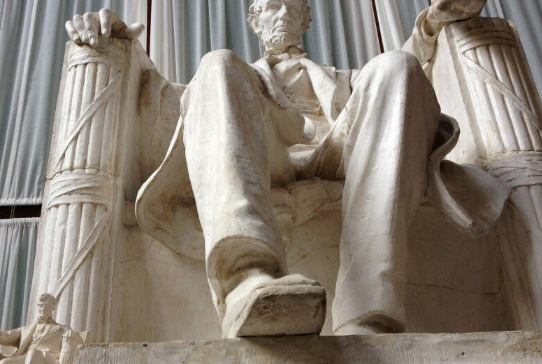
Designing statues of Abraham Lincoln is a fascinating process that reflects how public memory is shaped through art. Each statue serves not only as a tribute to Lincoln’s legacy but also as a means of understanding the values, struggles, and hopes of the society that creates them.
1. Historical Context and Significance
Before embarking on the design of a Lincoln statue, it is crucial to understand the historical context of his life and presidency. Lincoln is often remembered for his leadership during the Civil War and his pivotal role in abolishing slavery. Statues often embed visual narratives that resonate with the social and political climate of the time they are erected. For instance, Lincoln’s statue in Washington, D.C. captures his determination and strength, symbolizing not just a man, but an evolving national identity.
Additionally, Lincoln statues can provoke discussions about race, equality, and justice. The location, posture, and materials used in the design often reflect the values the community emphasizes. By recognizing the historical significance of Lincoln’s actions and the era in which he lived, designers can create artworks that are not only visually appealing but also deeply meaningful.
-
- Research Lincoln’s historical significance thoroughly.
-
- Consider current societal values and issues.
-
- Engage with local historians and community leaders.
-
- Investigate existing statues for inspiration and context.
2. Design Elements and Artistic Choices
When designing a statue, various elements come into play such as posture, facial expression, and materials. The posture can communicate specific attitudes—an assertive stance can showcase strength, while a contemplative position may invite reflection. For example, the seated statue at the Lincoln Memorial encourages viewers to engage with Lincoln’s legacy thoughtfully. Choosing the material, whether bronze, stone, or modern composites, further impacts the statue’s durability and aesthetic appeal.
Another critical artistic choice is the surrounding environment. Landscaping and the statue’s base can contribute significantly to the viewer’s experience. For example, elements such as seating, lighting, and pathways can enhance accessibility and encourage public interaction. Consideration of these design choices ensures that the statue resonates with its audience in both form and function.
-
- Decide on the statue’s posture and expression intentionally.
-
- Choose materials that reflect the intended message.
-
- Incorporate surrounding elements thoughtfully.
-
- Test design prototypes with community feedback.
3. Community Engagement and Feedback
Successful statue designs emerge from collaboration and community involvement. Engaging with the public leads to discussions on what Lincoln symbolizes and what values the community wants to express. Hosting workshops and public forums offers valuable insights that can shape the design process. For instance, conducting surveys can help designers understand local perceptions of Lincoln’s legacy, which can significantly influence the final design.
Moreover, incorporating feedback from local artists can enrich the creative process. Artists from diverse backgrounds can contribute different perspectives that enhance the statue’s relevance and accessibility. Together, community members and designers can ensure the statue serves as a beacon of shared values and enriched public memory.
-
- Host public engagement sessions to gather feedback.
-
- Utilize surveys to assess community perspectives.
-
- Involve local artists in the design process.
-
- Establish a feedback loop throughout the project.
4. Maintenance and Longevity of Statues
The life of a statue depends not just on its design but also on its maintenance. Regular upkeep ensures that statues remain appealing and respectful representations of their subjects. Factors like weather, pollution, and vandalism can impact the statue’s integrity, so it’s essential to create a maintenance plan. In cities like Boston, community groups often take the lead in the care of public art, which can enhance community pride and ownership.
Choosing durable materials is also critical—a well-crafted statue can stand the test of time with appropriate care. Some projects incorporate sustainable practices, like using environmentally friendly materials or techniques, making the statues even more relevant in modern discussions about art and preservation.
-
- Develop a clear maintenance plan from the outset.
-
- Choose materials known for their durability.
-
- Educate the community on care and maintenance.
-
- Engage with local preservation organizations for support.
Creating a statue of Abraham Lincoln is an engaging journey that intertwines art and memory. By emphasizing historical context, thoughtful design, community feedback, and ongoing maintenance, the statue can become a powerful symbol of shared values and heritage. Consider these insights as you embark on your own creative projects or community initiatives.