
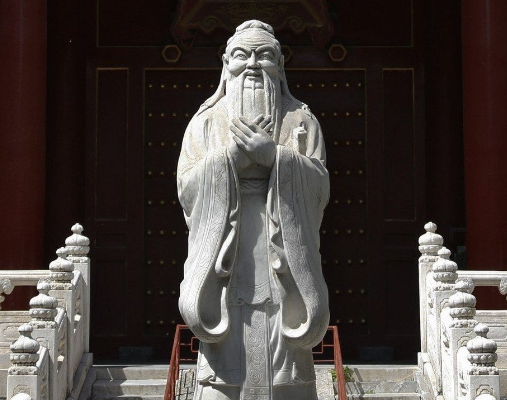
Confucius statues are more than just ornamental figures; they serve as powerful representations of moral order and ethical philosophy. Throughout history, these statues have been erected to honor Confucius, the ancient Chinese philosopher whose teachings on morality and ethics shaped societies across the globe. This blog post will explore the significance of Confucius statues and how they embody the principles of moral order.
1. The Symbolism of Confucius Statues
Statues of Confucius are often depicted in regal poses, symbolizing wisdom, dignity, and respect. These statues serve as public reminders of the Confucian ideal, which emphasizes virtues such as respect for elders, filial piety, and righteousness. For instance, a statue in a school courtyard may signify the value of education and moral development in young minds, inspiring students to embody these principles in their lives.
Moreover, these statues can be found in various settings, from temples and universities to parks and museums. Each location imparts a distinct significance, reinforcing the teachings of Confucius within different spheres of public life. As people from various cultures and backgrounds encounter these statues, they are invited to reflect on the importance of ethical behavior and personal integrity in their own lives.
-
- Visit a local Confucius statue and observe its details.
-
- Reflect on the virtues represented by the statue.
-
- Discuss Confucian values with family or friends.
-
- Consider how these values can be applied in your daily life.
2. Confucian Philosophy and Moral Order
Confucian philosophy is deeply rooted in the concept of moral order, which posits that individuals should strive for harmony within themselves, their families, and society. Central to this philosophy are the Five Relationships, which highlight the importance of familial and social dynamics in maintaining order. By understanding these relationships—ruler to subject, father to son, husband to wife, elder brother to younger brother, and friend to friend—individuals can navigate conflicts and foster harmonious interactions.
Confucian teachings also emphasize the cultivation of personal virtues. For example, benevolence (ren), righteousness (yi), and propriety (li) are essential for maintaining moral integrity. This moral framework encourages individuals to reflect upon their actions and make choices that contribute positively to the collective well-being of society, establishing a moral order that benefits everyone.
-
- Identify areas in your life where you can embody Confucian virtues.
-
- Discuss the importance of relationships in maintaining moral order.
-
- Engage in community service to promote societal harmony.
-
- Practice reflection on your daily choices to ensure alignment with ethical values.
3. Modern Relevance of Confucius Statues
Despite their historical roots, Confucius statues hold significant relevance in today’s world. As society grapples with ethical dilemmas and moral ambiguity, the teachings of Confucius offer a framework for engaging with contemporary issues. For example, discussions surrounding leadership ethics, social responsibility, and international relations can benefit from a Confucian perspective that values moral integrity and respect for others.
Furthermore, many educational institutions and cultural organizations have adopted Confucian principles, integrating them into curricula and community initiatives. This helps instill a sense of moral responsibility in students and encourages them to apply these teachings in their personal and professional lives. By promoting these values, societies can work toward fostering greater empathy, understanding, and cooperation among diverse populations.
-
- Explore local initiatives that promote Confucian philosophy.
-
- Consider taking courses on ethics that incorporate these teachings.
-
- Facilitate discussions about moral challenges in a group setting.
-
- Advocate for community programs that exemplify moral order.
In conclusion, Confucius statues serve as significant symbols of moral order, inviting reflection on ethical principles that continue to resonate today. By embracing the wisdom of Confucius, individuals can enhance their personal integrity and contribute to a more harmonious society. Take a moment to explore these teachings and consider how they can shape your actions and interactions with others.