George Washington statues stand as monumental tributes to one of the founding fathers of the United States. Their designs often reflect classical influences that convey ideals of leadership, strength, and civic virtue.
1. The Neoclassical Aesthetic
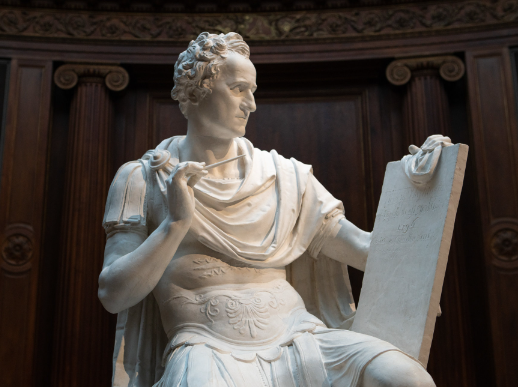
The Neoclassical movement, characterized by its inspiration from ancient Greek and Roman art, greatly impacted the design of George Washington statues. This art movement emerged in the mid-18th century as a reaction against the ornate styles of the Baroque and Rococo periods. Statues of Washington, such as the one in the Virginia State Capitol designed by Jean-Antoine Houdon, embody these neoclassical ideals through their use of symmetry, proportion, and realistic representation.
For instance, Houdon’s statue of Washington depicts him in a contemplative stance, dressed in a toga-like garment reminiscent of classical heroes. Such designs aimed not merely to honor Washington but also to position him within a pantheon of virtuous leaders. The choice of materials, typically marble or bronze, also aligns with classical precedents, providing durability and a timeless quality to these representations.
-
- Study the principles of Neoclassical art, such as balance and harmony.
-
- Examine how proportion in Washington statues reflects classical ideals of beauty.
-
- Consider the materials commonly used in classical sculpture.
-
- Explore how attire and gesture convey meaning in statue design.
2. Symbolism in Design
The design of George Washington statues is imbued with rich symbolism that draws from ancient traditions. Various elements such as posture, clothing, and accompanying props are carefully selected to evoke specific qualities associated with leadership and patriotism. For example, many statues depict Washington with a raised hand, symbolizing his role as a leader guiding the nation. This gesture puts him alongside Roman emperors and orators who utilized similar body language to command authority.
Additions like laurel wreaths or eagles further enhance the symbolism. The laurel wreath represents victory and honor, while the bald eagle signifies freedom and strength. Through these elements, artists aim to inspire civic pride and reverence for Washington’s contributions. As such, each statue functions not only as a work of art but also as a narrative, telling stories of valor and dedication to the nation.
-
- Identify common symbolic elements in Washington statues.
-
- Analyze the meanings behind specific poses and props used in the designs.
-
- Reflect on how symbolism influences public perception of Washington.
-
- Research how the symbolism in these statues compares to other historical figures.
3. Cultural Impact and Reception
The reception of George Washington statues often highlights the cultural context in which they were created. In many cases, these statues serve as focal points for civic identity and collective memory. The manner in which people interact with these statues can vary widely, reflecting contemporary societal values and historical narratives. For example, the statue of Washington at the National Mall in Washington, D.C., draws millions of visitors and serves as a backdrop for numerous national ceremonies, symbolizing a collective heritage.
However, as societal values evolve, so too does the perception of these monuments, sparking debates about their place in public spaces. In recent years, some communities have called for the reevaluation or removal of certain statues. Understanding these dynamics involves acknowledging the cultural significance of Washington as a founding father while also recognizing the complexities of his legacy in modern America.
-
- Engage with community discussions about public monuments.
-
- Reflect on how cultural shifts influence the interpretation of historical figures.
-
- Explore various public reactions to Washington statues in contemporary society.
-
- Examine historical context to appreciate shifts in public perception over time.
4. Architectural Influences
The architectural context of where Washington statues are placed also mirrors classical influences. Many of these statues are often sited in front of governmental buildings or public squares, reminiscent of how ancient Romans showcased statues amidst grand architecture. For instance, the Washington Monument is designed in a classical obelisk style, symbolizing strength and resilience, and serves as a visual focal point for surrounding memorials and statues.
This architectural approach not only enhances the aesthetic appeal but also serves a symbolic function, emphasizing the enduring legacy of Washington in the national consciousness. The placement and style of these statues contribute significantly to their impact, inviting both admiration and reflection from the public. This relationship between structure and statue illustrates the importance of context in artistic and historical interpretation.
-
- Analyze how the location of a statue enhances its significance.
-
- Explore key architectural styles that influence statue design.
-
- Consider how landscape design interacts with public monuments.
-
- Investigate the historical significance of public squares as gathering places.
In conclusion, the classical influences in the design of George Washington statues encompass a blend of aesthetics, symbolism, and cultural context. These statues do more than commemorate; they serve as a reflection of the ideals that shaped the nation. Engaging with these works of art can deepen our understanding of American history and the complex legacy of its leaders.