
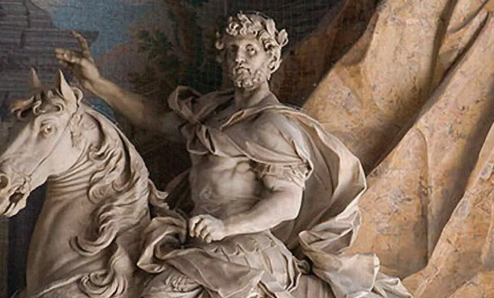
Charlemagne, often dubbed the “Father of Europe,” played a pivotal role in shaping medieval identity through his conquests and reforms. Statues representing him emerged during and after his reign, serving as symbols of unity and cultural heritage across Europe. In this blog post, we will explore the significance of Charlemagne statues and how they contribute to the medieval European identity.
1. The Life and Legacy of Charlemagne
Charlemagne, or Charles the Great, ruled as King of the Franks and later as Emperor of the Carolingian Empire in the 8th and 9th centuries. His efforts to unite various European tribes under one banner established the foundations of modern European states. Additionally, he implemented reforms in education, governance, and culture, which helped in the preservation and promotion of knowledge during the tumultuous medieval period.
One of the critical achievements of Charlemagne was the Carolingian Renaissance, a revival of art and learning based primarily in monasteries. This cultural awakening laid the groundwork for the Renaissance that followed centuries later. Statues erected in his honor often depict him in imperial regalia, emphasizing not only his power but also his role as a promoter of culture and learning. Each statue carries the weight of historical narratives that continue to influence European identity today.
-
- Learn about Charlemagne’s significant reforms in education and governance.
-
- Visit local museums that feature Charlemagne’s era.
-
- Explore biographies or documentaries about his life and achievements.
-
- Engage with history enthusiasts online to share insights and resources.
2. Statues and Their Symbolism
Statues of Charlemagne serve as more than mere decorations; they embody ideals of leadership, unity, and cultural identity across Europe. Many of these statues are located in prominent places such as cathedrals, town squares, or government buildings, reflecting their significance in communal memory. These artworks often illustrate Charlemagne riding a horse or standing in a commanding pose, symbolizing not only his authority but also the hope for a united Europe.
In cities such as Aachen, where Charlemagne established his court, a statue stands boldly by the cathedral, reminding visitors of his role in laying the foundation for European unity. This blending of art and history allows modern viewers to engage with the past, interpreting the rich tapestry of medieval identity. The statues are not just visual representations but are laden with messages about shared heritage and collective aspirations.
-
- Identify local statues or monuments dedicated to Charlemagne or the Carolingian Empire.
-
- Research the materials and styles used in these statues to understand their historical context.
-
- Discuss with peers the impact of such artworks on cultural identity.
-
- Consider creating a walking tour that highlights historical statues in your area.
3. Charlemagne Statues in Contemporary Culture
In modern times, Charlemagne’s image continues to resonate, often invoked in discussions about European identity and unity. Statues are not only historical landmarks but also tools for navigating contemporary issues like nationalism and cultural integration. Events commemorating Charlemagne, such as festivals or academic lectures, increasingly focus on his contributions to peace and cooperation among diverse communities.
Furthermore, the portrayal of Charlemagne in literature and media offers a lens through which contemporary society can examine its values. From movies to historical novels, his enduring legacy compels modern audiences to reflect on leadership, cultural pride, and the significance of unity amidst diversity. By understanding these modern interpretations, we may glean insights into our collective identity as Europeans today.
-
- Attend or organize events that celebrate Charlemagne’s legacy.
-
- Read modern literature or watch films that depict Charlemagne’s life.
-
- Engage in discussions about the relevance of his values in today’s society.
-
- Follow academic journals that explore Charlemagne’s impact on modern European identity.
Understanding the role of Charlemagne statues and their significance in medieval European identity not only enriches our appreciation of history but also challenges us to consider our identity today. Statues serve as reminders of heritage and aspirations for unity, resonating through time and inspiring future generations to learn and connect with the past. To dive deeper into this fascinating subject, consider exploring more about the locations of these statues or attending local historical events that feature discussions on medieval history.