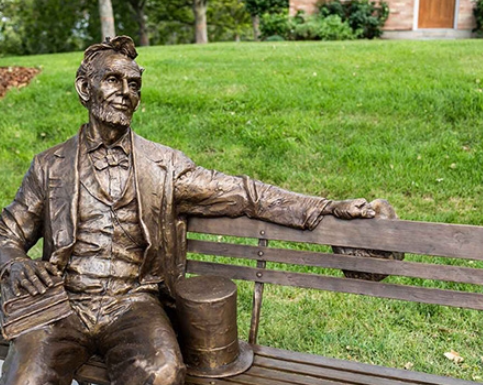
Bronze statues of Abraham Lincoln serve as significant monuments that both commemorate the life and legacy of one of America’s most revered presidents and contribute to the broader category of memorial architecture. These statues are not merely decorative; they hold historical context, foster civic pride, and inspire conversations about social justice and the nation’s history.
1. The Historical Significance of Bronze Lincoln Statues
Abraham Lincoln, the 16th President of the United States, led the nation through its Civil War and worked tirelessly to abolish slavery. The bronze statues dedicated to him often capture his likeness with distinct expressions or poses, reflecting his deep sense of responsibility and compassion. Statues often serve as focal points in various community spaces, from memorial parks to civic plazas, allowing individuals to engage with Lincoln’s legacy in personal and public contexts.
Furthermore, these statues represent a commitment to remembering history while encouraging dialogue about contemporary issues. For example, the Lincoln Memorial in Washington D.C. stands not just as a tribute but as a gathering place for civil rights activists. It serves as a powerful backdrop for movements advocating for equality and justice, emphasizing Lincoln’s enduring relevance in modern discussions on civil rights.
-
- Research the historical context of the statue’s location.
-
- Visit nearby museums or exhibits that provide more background.
-
- Engage in discussions that the statue might inspire.
-
- Utilize social media to share your insights and thoughts.
2. Design and Artistic Choices in Bronze Statues
The design of bronze Lincoln statues is critical to their overall impact, and various artists have attempted to capture his essence in unique ways. Some statues depict Lincoln addressing the public, with symbolic gestures that invite viewers to reflect on his leadership. Others highlight moments of solitude, showcasing his introspective nature as he grappled with the nation’s issues. Each artistic choice influences how the audience perceives both Lincoln and the historical narrative he represents.
Material choices also play a significant role in bringing these artistic visions to life. Bronze is favored for its durability and classic aesthetic quality, making it ideal for outdoor installations. The patina that develops over time adds character to these sculptures, reminding us that history itself is ever-evolving. A statue’s placement—whether in a park, government building, or historical site—also contributes significantly to the audience’s interaction with it.
-
- Explore various styles of Lincoln statues in different cities.
-
- Consider how sculpture styles affect public perception.
-
- Visit local art galleries or museums to understand the materials used.
-
- Observe how the placement of statues affects community engagement.
3. The Role of Bronze Lincoln Statues in Community Identity
Bronze Abraham Lincoln statues often act as monuments that embody the identity of their surrounding communities. In many towns and cities, these statues symbolize local pride and collective memory, connecting citizens to their heritage. From large urban settings to small towns, Lincoln statues foster a sense of belonging and community cohesion as residents gather for events or commemorations around them.
The presence of these statues can initiate discussions within communities about their values and aspirations. In some instances, they serve as launching points for educational programs, civil rights discussions, or historical tours that highlight local contributions to the broader narrative of American history. By integrating these monuments into community activities, they become living legacies that continue to educate and inspire future generations.
-
- Promote community events that incorporate local Lincoln statues.
-
- Engage schools to include the statues in educational programs.
-
- Conduct guided tours that celebrate local history.
-
- Encourage local artists to create related artworks that reflect community values.
4. Maintenance and Preservation of Bronze Statues
To ensure these valuable statues endure for generations, proper maintenance and preservation are essential. Weather conditions can take a toll on bronze, leading to tarnishing and corrosion over time if not cared for properly. Regular cleaning with appropriate methods can prevent buildup that may cause damage, and periodic inspections help identify any structural issues before they worsen.
Beyond physical upkeep, community involvement plays a crucial role in monitoring the condition of local statues. Engaging local historical societies or civic organizations to coordinate preservation efforts can deepen community ties while fostering a shared sense of responsibility. Public education about the importance of maintenance can also encourage citizens to take action, ensuring that the statues remain as poignant symbols for years to come.
-
- Schedule regular inspections to assess statue conditions.
-
- Use mild cleaning methods to protect the bronze surface.
-
- Mobilize local volunteers for maintenance efforts.
-
- Educate the community on the significance of preservation.
In conclusion, bronze Abraham Lincoln statues are more than mere fixtures in public spaces; they serve as reflective reminders of history that encourage dialogue and connection within communities. Investing in their maintenance and promoting understanding of their significance can enhance civic pride and participation. Consider engaging with local statues by learning their history and advocating for their preservation and relevance in today’s society.