
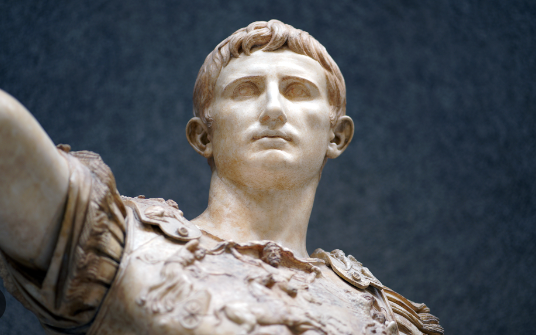
Augustus Caesar, the first Roman emperor, fundamentally transformed the Roman political landscape and heralded the rise of Imperial Rome. His reign was marked by a series of achievements that not only consolidated power but also left a legacy of art, culture, and architecture, prominently embodied in the statues commissioned in his honor.
1. The Historical Significance of Augustus Caesar’s Statues
The statues of Augustus Caesar served multiple purposes, from solidifying his political power to communicating his divine status. These sculptures were strategically placed in public spaces, allowing citizens to see their leader represented as both a man and a god. This duality played a crucial role in bolstering his authority during a period of transition from a Republic to an Empire.
For example, the famous statue known as the “Augustus of Primaporta” depicts him in a military pose, emphasizing his role as a victorious commander. The statue not only conveys strength but also symbolizes his divine lineage through the portrayal of Cupid at his feet, suggesting connections to the goddess Venus.
-
- Understand the symbolism behind the art.
-
- Explore various locations of Augustus statues in Rome.
-
- Research the influences of Greek art evident in these statues.
-
- Consider how public perception of rulers was shaped through commissioned art.
2. The Artistic Techniques and Styles Used
The artistic techniques employed in Augustus statues reflect a blend of realism and idealism, both prominent in Roman art. Artists utilized contrapposto, a technique where the weight of the statue is distributed onto one leg, creating a sense of dynamism. This approach allows the statues to appear not just as lifeless representations but as vibrant figures ready to engage with the world around them.
<pAdditionally, the use of intricate details in the drapery of Augustus’ clothing provides depth and realism. The meticulous craftsmanship highlights the power and dignity associated with his position. Not only did these artistic choices enhance his image, but they also set a standard for future emperors who wanted to emulate his grandeur.
-
- Explore the materials used, like marble and bronze.
-
- Study the influences of earlier artistic styles, such as Greek Classical art.
-
- Analyze how techniques evolved over time in Imperial Rome.
-
- Look into famous artists of that time and their contributions.
3. The Legacy of Augustus Caesar’s Statues
The legacy of Augustus Caesar’s statues extends beyond his lifetime and transformed the cultural landscape of Rome. These monuments not only commemorated Augustus but also set a precedent for how later emperors were memorialized. Each subsequent ruler would contribute to this tradition, commissioning art that echoed Augustus’ ideals of leadership, power, and divinity.
Furthermore, the statues laid the groundwork for the practice of using public art as a political tool. Future generations recognized the power of visual representation, shaping how rulers engaged with their citizens. This theme persists today in various forms of governmental imagery and propaganda worldwide.
-
- Visit historical sites in Rome to see these statues firsthand.
-
- Understand how public art influences modern political imagery.
-
- Read books or articles on Roman art and legacy.
-
- Attend exhibitions focused on Roman history and artifacts.
In conclusion, the statues of Augustus Caesar are not only artistic representations; they are encapsulations of a pivotal moment in history that marked the birth of Imperial Rome. Engaging with these artworks can deepen our understanding of political and social dynamics then and now, encouraging further exploration of history and art.