Ursula von Rydingsvard’s Abstract Wood Forms
Ursula von Rydingsvard is a towering figure in contemporary sculpture, known for her unique works that explore the relationship between material, form, and space. Her abstract wood forms not only evoke emotion and curiosity but also challenge viewers to engage with the natural world in new ways. Understanding her art can inspire us to appreciate the beauty of nature and the intricacies of craftsmanship.
1. The Artistic Journey of Ursula von Rydingsvard
Ursula von Rydingsvard was born in Poland and later moved to the United States, where her experiences shaped her artistic perspective. Her work often reflects her heritage, utilizing cedar wood to create large-scale sculptures that emphasize organic forms. Each piece is meticulously crafted, showcasing her commitment to craftsmanship. Von Rydingsvard’s journey from a childhood in war-torn Europe to becoming a celebrated sculptor is inspiring, reminding us that art can be a profound form of expression and survival.
2. The Role of Material in Her Sculptures
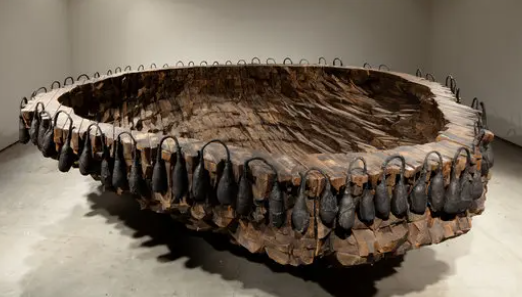
Wood is the primary medium in von Rydingsvard’s creations, and she employs it in innovative ways. By layering, carving, and manipulating the wood, she transforms the material into evocative shapes that feel both familiar and abstract. Her sculptures often appear fluid and dynamic, prompting discussions about nature’s forms and textures. The use of natural materials invites viewers to reflect on their connection to the environment, encouraging a deeper understanding of the impact of nature on human creativity.
3. Engaging with Abstract Forms
Von Rydingsvard’s abstract wood forms invite viewers to engage their imaginations, encouraging them to draw personal connections with the artwork. The sculptures can be interpreted in myriad ways, evoking feelings of nostalgia, tranquility, or even intrigue. This open-ended engagement is a hallmark of her work, as it ultimately fosters dialogue between the artist and the audience. By experiencing her forms in different spaces—from galleries to outdoor installations—viewers can appreciate how context influences perception, making her art even more compelling.
In conclusion, Ursula von Rydingsvard’s abstract wood forms offer a refreshing perspective on art and nature, enhancing our understanding of both. If you’re fascinated by the intersection of material and meaning, take the time to explore her work further. Visit galleries or museums showcasing her sculptures, or read interviews and articles about her creative process. There’s a whole world of artistic insight waiting for you!