Theo van Doesburg’s Role in Geometric Abstraction
Theo van Doesburg is a pivotal figure in the world of geometric abstraction, a movement that sought to express the essence of art through simplicity and form. As both an artist and a theorist, his work not only shaped the visual language of modern art but also influenced various disciplines, including architecture, design, and typography. Understanding his contributions can shed light on the broader context of 20th-century art movements and their impact on contemporary aesthetics.
1. The Birth of De Stijl
Van Doesburg co-founded the De Stijl movement in 1917, a collective effort to achieve harmony through abstraction. This group championed the idea that art should reflect the underlying order of the universe, stripping away the unnecessary elements of form and color. De Stijl artists utilized a limited palette of primary colors along with black and white, emphasizing geometry and the balance of composition. Through his innovative works, van Doesburg demonstrated that simplicity could convey profound meaning, influencing artists and designers worldwide.
2. Contributions to Geometric Abstraction
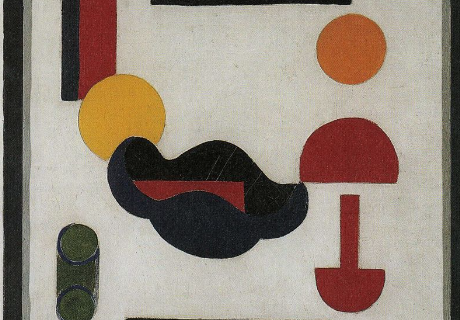
Van Doesburg’s painting, “Composition IX,” exemplifies his commitment to geometric abstraction. His compositions often feature a dynamic arrangement of rectangles and lines, creating a sense of movement and rhythm. Beyond painting, he ventured into architecture and design, applying geometric principles to create harmonious living spaces. Notably, his designs for the Café de Unie in Rotterdam mirrored his artistic philosophy, showcasing how abstraction could transcend traditional boundaries and enhance everyday experiences.
3. Influence Beyond Art
The influence of van Doesburg extends beyond the realm of visual art. His theories on color and form shaped modern graphic design, laying the groundwork for minimalism and Bauhaus. Van Doesburg’s interest in the relationship between art and life also echoed through his writings, advocating for a unification of disciplines. This approach not only inspired subsequent generations of artists but also contributed to the evolution of functional design, where aesthetics and utility coalesce.
In conclusion, Theo van Doesburg’s role in geometric abstraction is a fascinating intersection of artistic innovation and theoretical exploration. His work not only transformed the landscape of modern art but also continues to inspire various fields today. If you’re intrigued by geometric abstraction and its lasting impact, consider exploring more about De Stijl and its vibrant legacy in contemporary culture. Happy learning!