Takis and His Abstract Electromagnetic Sculptures
Takis, a renowned Greek artist, has captivated audiences around the world with his unique approach to sculpture. His innovative use of electromagnetic forces to create abstract art not only pushes the boundaries of traditional sculpture but also engages viewers in a dialogue about the intersection of art and science. Exploring Takis’s work allows us to appreciate the creative potential of technology while igniting curiosity about electromagnetic principles.
1. The Artistic Vision of Takis
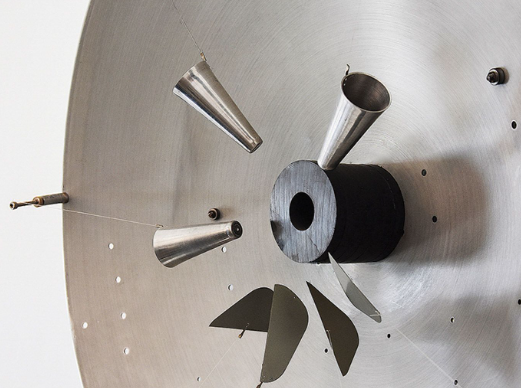
Takis, born Aristides Takis Vassilakis, has been a pioneer of kinetic art since the mid-20th century. His sculptures are not merely visual but are dynamic, often moving in response to magnetic forces. This motion adds an emotional dimension to his pieces, inviting viewers to experience art as something alive and fluid rather than static. By utilizing materials like metal and magnets, Takis creates a dialogue between art and viewer, evoking a sense of wonder and engagement.
2. The Science of Electromagnetism in Art
One of the remarkable aspects of Takis’s sculptures is how he seamlessly integrates scientific principles with artistic expression. Electromagnetism, the invisible force behind his work, enables him to manipulate objects in ways that defy gravity and traditional art forms. This unique blend of science and art not only creates captivating visual experiences but also sparks interest in the underlying physical concepts. Understanding these forces offers a deeper appreciation for the complexity and ingenuity behind each piece.
3. The Impact on Contemporary Art
Takis’s abstract electromagnetic sculptures have left a significant mark on contemporary art and have influenced countless artists worldwide. His work encourages a rethinking of traditional artistic boundaries, inspiring a new generation to explore the intersection between technology and creativity. Museums around the globe showcase his sculptures, ensuring that audiences can experience the interplay of art and science firsthand. Takis’s legacy is a powerful reminder of how art can transform our understanding of the world and provoke thought on the relationship between humanity and technology.
In conclusion, Takis’s unique sculptures offer a captivating exploration of art and science through the lens of electromagnetism. If you’re intrigued by the fusion of these disciplines, we encourage you to dive deeper into his work and explore similar artists who are reshaping the art landscape with innovative techniques. Discover the exciting world of kinetic art and see how it challenges conventional perspectives!