Roxy Paine’s Abstract Natural Forms: Merging Nature and Art
Roxy Paine is known for his captivating sculptures that explore the intersection of nature and abstraction. His work challenges our perceptions of the natural world and invites us to consider the complexities of organic forms. Understanding his creations offers a deeper appreciation of how art can mirror and manipulate the environment around us.
-
- The Concept Behind Paine’s Work
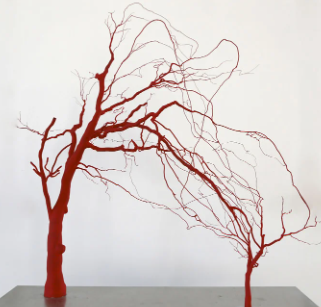
Roxy Paine’s sculptures often serve as a commentary on the relationship between nature and technology. By using materials like stainless steel and synthetic resin, he transforms natural forms into abstract representations. His pieces, such as the iconic “Dendroid,” emulate the branching structures of trees but are stripped of their organic material. This creative approach highlights how nature inspires human innovation and raises questions about our impact on the environment and the balance between natural and artificial elements.
-
- Notable Sculptures and Their Impact
Among Paine’s most captivating works, “ fungus” stands out for its intricate detailing and life-like qualities. This sculpture, resembling mycelium networks, represents the hidden and often overlooked aspects of nature. Each piece invites viewers to engage with their surroundings in a new way, encouraging a reflection on biodiversity and ecosystem interconnections. Through these sculptures, Paine not only showcases artistic ingenuity but also emphasizes the importance of preserving our natural world.
-
- Exhibitions and Public Installations
Roxy Paine’s work is celebrated in various prestigious exhibitions and public spaces around the globe. One of his most renowned installations, “Confluence,” located in the Denver Art Museum, seamlessly blends into the landscape, emphasizing the dialogue between art and environment. These public installations allow audiences to experience the work within their community, making art accessible and relatable. By bringing abstract nature into urban settings, Paine encourages a greater understanding of how artistic expression can interact with and enrich public spaces.
In conclusion, Roxy Paine’s abstract natural forms challenge us to reconsider our interactions with the environment and the essence of organic beauty. His work bridges the gap between art and nature, inviting us to contemplate the complexity of life in its many forms. For those intrigued by the fusion of art and nature, exploring Paine’s sculptures can be a rewarding journey. Dive deeper into his creations, and let them inspire a renewed appreciation for the natural world around you!