Exploring Richard Deacon’s Abstract Curved Forms
Richard Deacon, a prominent British sculptor, is celebrated for his abstract works that challenge perceptions and embrace the fluidity of form. His unique approach to sculpture—often characterized by seamless curves and intricate designs—offers a refreshing exploration of materials and their spatial dynamics. Understanding Deacon’s abstract curved forms is not just a journey into contemporary art, but also an opportunity to appreciate how artistry can transcend traditional boundaries.
1. The Aesthetics of Curved Forms
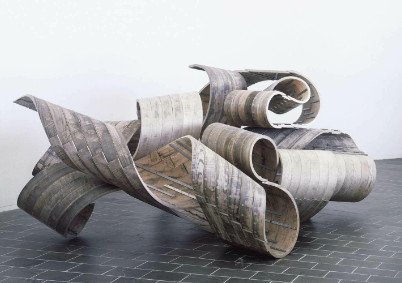
Deacon’s work predominantly focuses on the elegance of curves, employing materials such as wood, metal, and clay to create mesmerizing shapes. His sculptures invite viewers to explore the interplay between form and space, often appearing both delicate and robust at the same time. This aesthetic quality challenges our understanding of balance and structure, as the flowing lines create a dialogue that encourages deeper contemplation. By integrating organic and geometric elements, Deacon’s pieces resonate with nature while simultaneously embodying modernity.
2. Material Transformation and Innovation
One of the most striking aspects of Deacon’s work is his innovative use of materials. He is known for pushing the boundaries of traditional sculpture by experimenting with a wide range of mediums, from lightweight plastics to heavy metals. This exploration not only enhances his creative expression but also speaks to the psychological and emotional weight of his sculptures. Each material choice adds a unique dimension to the final piece, inviting viewers to engage with the artwork on multiple levels, ranging from tactile to conceptual.
3. Impact on Contemporary Art
Richard Deacon’s abstract curved forms have significantly influenced the landscape of contemporary sculpture. His ability to blend craftsmanship with thought-provoking concepts has inspired countless artists to break free from conventional designs. Deacon’s work challenges the viewer’s expectations and encourages a re-examination of space, form, and the artist’s intent. As art continues to evolve, the significance of Deacon’s contributions becomes clearer; he not only expands the dialogue around sculpture but also enriches the educational framework for aspiring artists and art enthusiasts alike.
In closing, Richard Deacon’s abstract curved forms exemplify how art can be both a visual spectacle and an intellectual pursuit. Whether you’re an art lover or simply curious about contemporary sculpture, exploring his works is a rewarding experience. Consider visiting a gallery showcasing his pieces or researching more about his philosophy and techniques to dive deeper into the intriguing world of abstract forms!