Rachel Whiteread’s Abstract Negative Space
Rachel Whiteread is a prominent figure in contemporary art, known for her unique ability to transform negative space into something evocative and profound. Her work challenges traditional perceptions of sculpture and invites us to engage deeply with the environments around us. Understanding Whiteread’s approach not only enhances our appreciation of her art but also opens our eyes to the invisible elements that shape our experiences.
1. What is Negative Space?
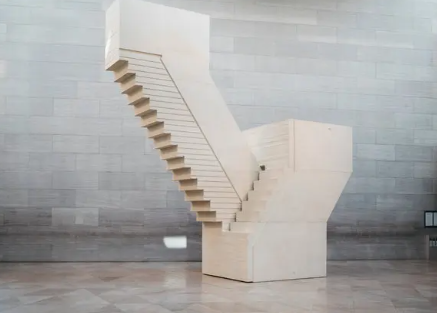
Negative space refers to the empty areas surrounding a subject in a piece of art. In Rachel Whiteread’s work, she skillfully uses this concept to create sculptures that embody and evoke the very absence of physical presence. By casting the voids within and around objects, she transforms negative space into a tangible presence that provokes thought and emotion. This technique not only highlights the significance of what is not there, but it also asks viewers to reconsider their relationship with the physical world.
2. Whiteread’s Techniques and Materials
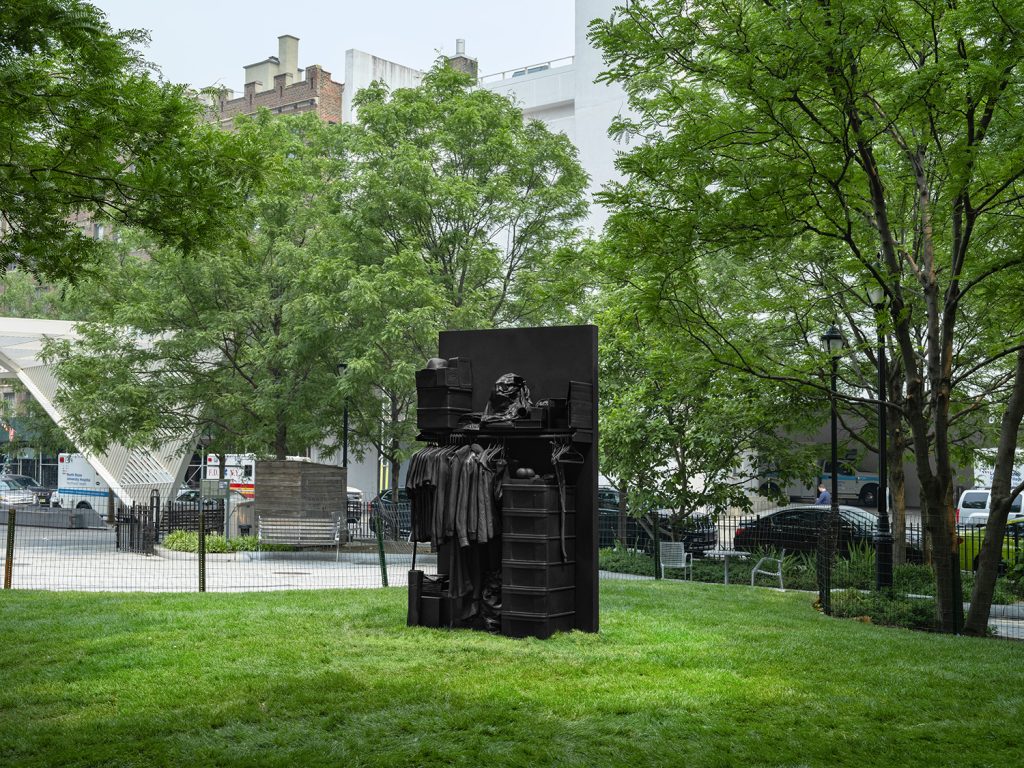
Whiteread employs various materials such as plaster, resin, and concrete to create her sculptures. One of her notable works, “House,” involved casting the entire interior of a Victorian house in East London, resulting in a profound commentary on memory, loss, and urban existence. Her use of these materials allows her to capture the essence of spaces that are often overlooked, emphasizing the stories held within the walls. Whiteread’s meticulous methods not only celebrate the beauty of voids but also challenge us to think about the narratives we often take for granted in our daily lives.
3. The Impact of Whiteread’s Work
Rachel Whiteread’s work has a lasting impact on contemporary art and society. By focusing on negative space, she encourages audiences to engage more deeply with their environments. Her sculptures often inspire conversations about memory, identity, and the nature of absence, prompting viewers to reflect on their connections to places and objects. Beyond the gallery walls, her art resonates in public spaces, inviting a wider audience to consider the significance of what is not seen. Whiteread’s ability to turn absence into presence offers a fresh lens through which we can explore and appreciate the world around us.
In conclusion, Rachel Whiteread’s exploration of abstract negative space invites us to rethink how we perceive our surroundings. Her innovative techniques and thought-provoking themes create a deeper connection to the art world and our everyday lives. If you’re intrigued by her work, consider visiting a gallery displaying her pieces or researching further to appreciate the nuanced storytelling woven into her art. Dive into the world of negative space, and you may discover insights that transform your understanding of art and life.