Olafur Eliasson’s Abstract Light Experiments provide a captivating exploration of light, perception, and the interplay between natural and artificial environments. His work challenges viewers to rethink their relationship with light and space, offering new insights into how we experience our surroundings. Understanding these experiments not only enhances appreciation for contemporary art but also deepens our awareness of sensory experiences in daily life.
Understanding Light and Perception
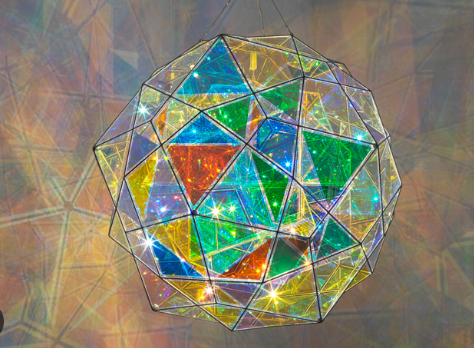
Eliasson’s approach revolves around the fundamental principles of light and how it interacts with human perception. By employing materials like glass, mirrors, and colored filters, he creates installations that manipulate light to evoke emotional responses and alter spatial perceptions. This experimentation invites viewers to actively engage with their environment, transforming passive observation into an immersive experience.
The Role of Nature in Eliasson’s Work
Nature plays a crucial role in Eliasson’s Abstract Light Experiments. He often incorporates natural elements into his installations, highlighting the connection between art and the environment. For example, his works may replicate sunlight or simulate weather phenomena, prompting an exploration of how external natural forces influence human emotions and behaviors. This approach not only captivates the audience but also raises awareness about our connection to nature and the need for its preservation.
Interactive Experiences and Viewer Engagement
Eliasson’s installations are renowned for their interactivity, encouraging viewers to move around and participate in the art actively. His use of light creates changing experiences, where each movement offers a new perspective, reflecting the fluid nature of perception. This interactive aspect invites a personal connection, allowing the audience to become co-creators of meaning, hence fostering a deeper appreciation for the intricacies of both art and nature.
Engaging with Olafur Eliasson’s Abstract Light Experiments opens a doorway to understanding the profound relationship between light, perception, and nature. These installations challenge us to look beyond the surface and consider how our environment shapes our experiences. For those intrigued by these themes, I encourage you to explore more of Eliasson’s work and the broader implications it holds for our interaction with the world around us.