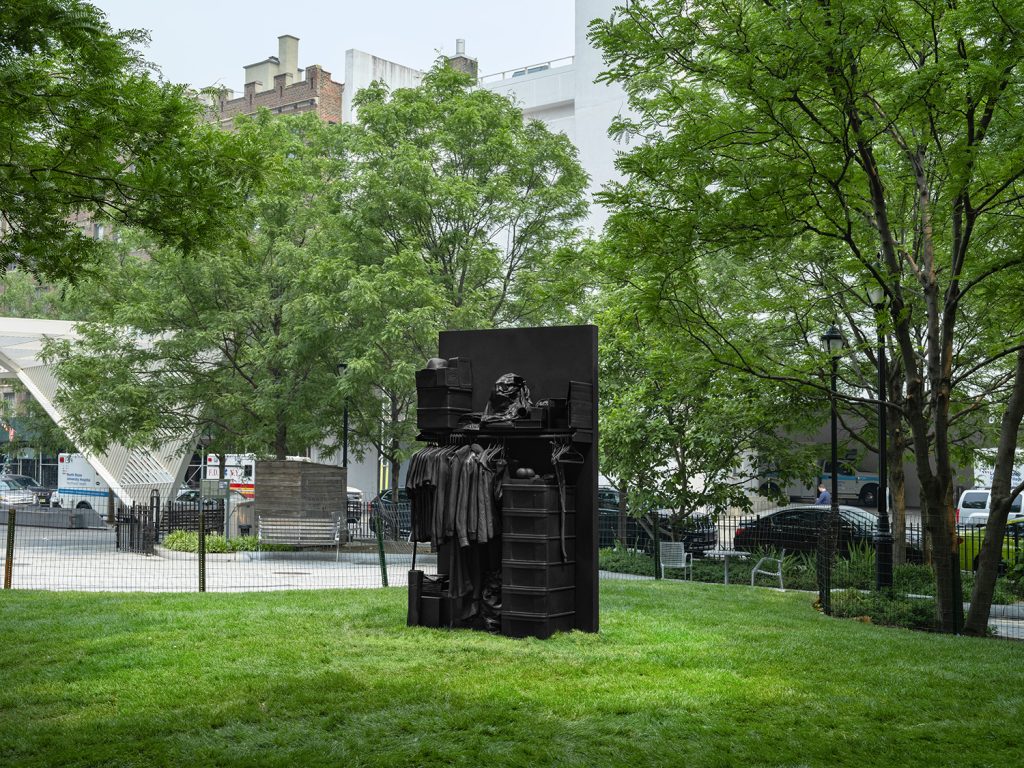
Louise Nevelson is a celebrated figure in contemporary art, renowned for her unique approach to sculpture and installation. Her abstract wooden environments are not just visually striking; they invite us to explore space, structure, and form in new ways. Understanding her work can enhance our appreciation for sculpture and the impact of environment on artistic expression.
1. The Concept of Abstract Environments
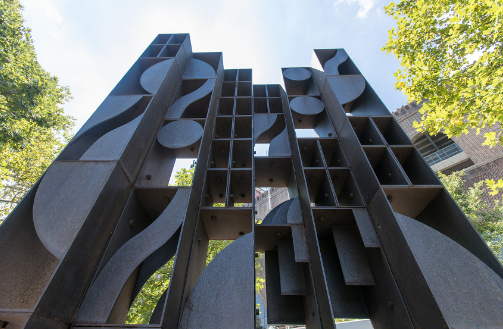
Nevelson’s abstract wooden environments challenge traditional notions of sculpture by transforming ordinary materials into extraordinary experiences. By using discarded wooden pieces, she created installations that comment upon both the chaos and beauty of urban life. Her environments are often monumental in scale, inviting viewers to immerse themselves in a world of shadow, light, and texture. This approach encourages us to see beauty in the everyday, elevating found objects to the level of fine art.
2. The Role of Color and Texture
One of the most captivating aspects of Nevelson’s work is her innovative use of color and texture. Many of her sculptures are painted in bold, monochromatic hues or coated with glossy finishes, bringing a striking visual element to her environments. This choice of color not only enhances the architectural feel of the pieces but also emphasizes the interplay between form and space. By contrasting smooth and rough textures, Nevelson adds depth and drama, engaging viewers in a tactile experience that transcends mere observation.
3. Environmental Influence on Perception
Nevelson’s environments also illustrate the significance of spatial awareness in art. Each installation functions as a unique ecosystem, where the arrangement of forms influences how we perceive space. Walking through her wooden environments evokes a sense of exploration—viewers become part of the art, creating a dynamic relationship between the observer and the artwork. This interaction asks us to reconsider our environment, encouraging mindfulness and an appreciation for our surroundings.
Conclusion
Louise Nevelson’s abstract wooden environments not only redefine sculpture; they also invite us to engage with art and our surroundings in meaningful ways. By exploring her work, we can gain a deeper understanding of how materials, color, and space interact to create immersive experiences. If you’re intrigued by Nevelson’s unique approach, consider visiting a museum or gallery displaying her art, or dive deeper into research about her life and impact on contemporary sculpture.