Maya Lin’s Minimal Abstract Landscapes: A Reflection of Nature and Memory
Maya Lin is a prominent artist and architect known for her strikingly minimal and abstract landscapes. Her work invites viewers to reconsider their relationship with nature and memory, making her art not only visually compelling but also deeply thought-provoking. This blog post explores the essence of Lin’s landscapes and what makes them resonate with so many.
1. The Essence of Minimalism
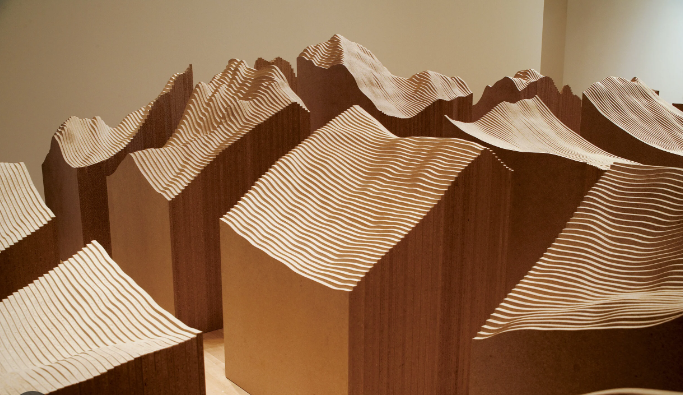
Maya Lin’s approach to minimalism is transformative. Stripping away extraneous details, she focuses on fundamental forms and materials that evoke landscapes. In her installations, viewers find a harmony that reflects nature’s simplicity. For instance, her famous work “Wave Field” mimics the undulating patterns of water, creating a tranquil space that draws visitors in. This reduction to fundamental elements allows her to convey powerful messages about environmental awareness and the human experience, making her art relatable and often moving.
2. Nature as Inspiration
Lin’s landscapes are deeply rooted in natural phenomena. Her works often mimic physical features like mountains, rivers, and valleys, inviting viewers to engage with these elements in new ways. For example, her piece “Storm King Wavefield” not only embodies the motion of waves but also encourages a reflection on the power and beauty of water. By echoing the natural world, Lin reminds us of our connection to the environment, urging us to appreciate and protect it. Her art serves as a bridge between natural beauty and artistic expression, making it relevant not just within art circles but also in discussions about ecology.
3. Memory and Interpretation
Lin’s work often elicits personal interpretations, playing with the viewer’s memories and emotions. Each installation invites reflection on individual experiences with landscapes, creating a personal connection. In “The Women’s Table,” for instance, Lin uses materials that evoke the history and contributions of women, prompting viewers to contemplate their own narratives. This blend of abstraction and personal history enhances her landscapes’ emotional impact, making them resonate deeply with audiences. Through her art, Lin encourages a dialogue about memory and identity, emphasizing the importance of personal and collective experiences.
In conclusion, Maya Lin’s minimal abstract landscapes serve as powerful reminders of our connection to nature and the complexities of memory. Her work challenges us to engage with our surroundings and reflect on our past. If you’re intrigued by Lin’s artistic philosophy or want to explore minimalism further, consider visiting her installations or reading more about her impactful work. Each piece offers a new perspective worth discovering!