Lygia Pape’s Geometric Abstract Experiments: Navigating Form and Color
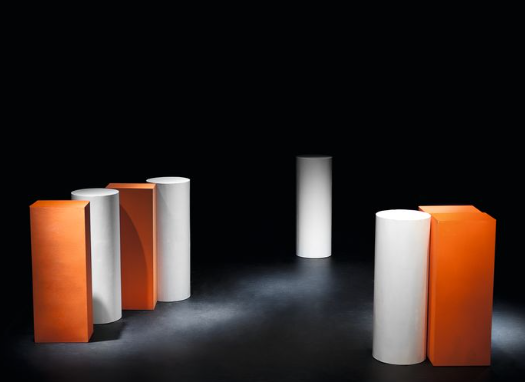
Lygia Pape was a pivotal figure in the Brazilian contemporary art scene, known for her innovative geometric abstract experiments. Her work is not only visually striking but also challenges conventional perceptions of art, making it a compelling subject for those interested in modernist movements, abstraction, and the intersection of art with social issues.
1. The Artistic Vision of Lygia Pape
Lygia Pape’s artistic vision was deeply rooted in her desire to explore the relationship between the viewer and the artwork. She was part of the Neo-Concrete movement, which emerged in Brazil in the 1950s, advocating for a more human and experiential approach to abstraction. Unlike traditional abstract art that often emphasizes form over function, Pape’s work invited interaction and engagement, transforming passive observation into active participation. Through her unique combinations of lines, shapes, and textures, she sought to evoke emotions and provoke thought, inviting viewers into a shared exploration of perception.
2. Techniques and Materials: Breaking Boundaries
Pape was known for her experimental techniques and use of unconventional materials. Her geometric forms often included not just paint and canvas but also fabric, paper, and even light. This cross-disciplinary approach allowed her to create works that were dynamic and immersive. For instance, her series “Ttéia” incorporated threads and strings to create installations that redefined the space around them, blurring the lines between two-dimensional art and three-dimensional experience. By pushing the boundaries of traditional materials and methods, Pape crafted pieces that resonated deeply with both the senses and the mind.
3. Social Impact and Cultural Significance
Beyond her aesthetic contributions, Lygia Pape’s work carried significant social and cultural weight. Her art often reflected the political landscape of Brazil during tumultuous times, engaging with themes of identity, freedom, and the collective experience. Her geometric abstractions were not mere decorations; they were visual languages that spoke to the struggles and hopes of a society in flux. Through exhibitions and public installations, Pape sought to democratize art, making it accessible to a wider audience and challenging the exclusivity often associated with the art world.
Conclusion: Dive Deeper into Pape’s World
Lygia Pape’s geometric abstract experiments offer a rich tapestry of visual delight and intellectual engagement. Her innovative spirit and dedication to social discourse continue to inspire artists and audiences today. If you’re intrigued by the interplay of geometry, abstraction, and social relevance, consider exploring Pape’s work further—visit museums, read her biographies, or dive into the vibrant world of Brazilian contemporary art. There’s so much more to discover!