Lygia Clark was a pioneering Brazilian artist whose work revolutionized the landscape of contemporary art. Belonging to the Neo-Concrete movement, her focus on abstraction and sensory experience offers profound insights into how we interact with art today. This blog post will explore her innovative concepts and their lasting impact on both the artistic community and broader cultural discussions.
1. The Essence of Neo-Concretism
Neo-Concretism emerged in Brazil in the late 1950s as a response to traditional concrete art. Unlike its predecessor, which emphasized mathematical precision and objectivity, Neo-Concretism celebrated the subjective and emotional aspects of art. Lygia Clark was a key figure in this movement, advocating for a more interactive and immersive experience. Her belief that art should engage the viewer physically and mentally challenged the norms of her time, influencing artists globally to reconsider the role of the observer in the creation of meaning.
2. Interactive Art and Sensory Experience
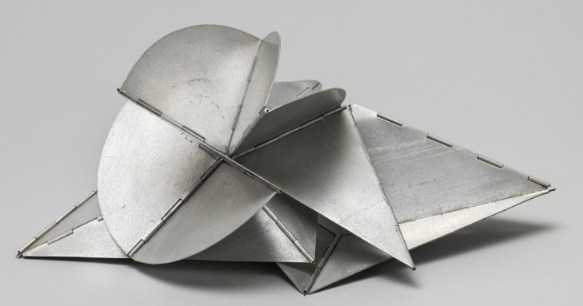
One of Clark’s most impactful contributions to art was her emphasis on interaction. She created pieces that invited viewers to touch, manipulate, and engage with the artwork directly. This practice shifted the relationship between art and audience from passive observation to active participation. For example, her famous “Bichos” series featured flexible sculptures that could be transformed by the viewer’s touch. This explorative approach not only expanded the notion of what art could be but also encouraged deep personal connections with the artwork, making art a shared experience rather than a solitary one.
3. The Psychological Dimensions of Art
Clark’s work also delved into the psychological aspects of perception and consciousness. She believed that art could serve as a tool for introspection and emotional exploration. By creating environments that stimulated the senses, she aimed to evoke feelings and thoughts that might be inaccessible in everyday life. Her installations often blurred the lines between art and therapy, inviting audiences to confront their own emotions and reflect on their internal landscapes. This merging of art and psychology not only redefined artistic expression but also opened doors to new conversations about mental health and emotional well-being through creative practice.
In conclusion, Lygia Clark’s abstract Neo-Concrete concepts offer a rich exploration of art as an interactive, sensory, and psychological experience. Her innovative approach has not only influenced contemporary art but has also prompted important discussions about audience engagement and emotional exploration in creative spaces. If you’re inspired by Clark’s work, consider diving deeper into the world of Neo-Concretism and exploring how art can be a transformative experience in your own life!