Kapoor’s Abstract Exploration of Void
In the realm of contemporary art, Anish Kapoor stands out for his innovative explorations of space and material. His work often invites viewers to interrogate the concept of void—an absence that paradoxically feels full of meaning. Understanding Kapoor’s approach to this theme not only enhances our appreciation of his art but also encourages deeper reflections on existence and perception.
1. The Concept of Void in Art
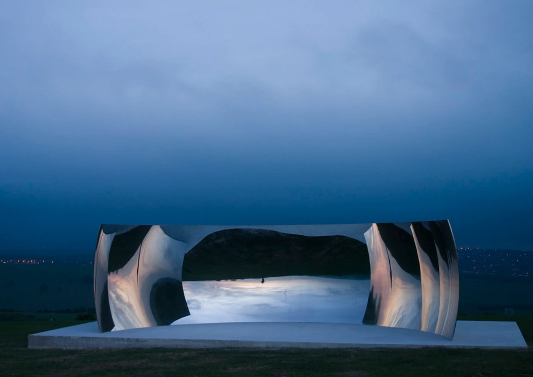
Kapoor’s exploration of the void challenges traditional notions of space in art. Rather than focusing solely on what is present, he brings attention to what is absent. His sculptures often create a sense of depth that prompts viewers to engage with the emptiness around them. This idea of void can evoke feelings of solitude or introspection, pushing us to confront our own experiences of absence in life. Kapoor effectively uses materials to manipulate light and shadow, enhancing the sense of emptiness—making the void not just a physical space but an emotional experience.
2. Notable Works that Exemplify His Vision
Two of Kapoor’s most significant works, “Cloud Gate” and “Sky Mirror,” serve as prime examples of his abstract exploration of void. “Cloud Gate,” famously known as “The Bean,” reflects the Chicago skyline while simultaneously creating an illusion of infinite space. Meanwhile, “Sky Mirror” reflects the heavens, inviting viewers to ponder their own place within the universe. Both pieces encourage a dialogue about perception and reality, as they bend and twist our understanding of what we see, offering a glimpse into the expansive emptiness that surrounds and envelops us.
3. The Emotional Resonance of Absence
Kapoor’s work subtly probes the emotional landscape associated with emptiness. The void often represents themes of loss, longing, and contemplation. By engaging with this theme, Kapoor fosters a unique viewer experience that resonates on a personal level. Many of his installations are designed to promote reflection; the more we look into the void, the more we may see our own inner struggles and connections. This shared experience can bridge gaps between art and life, allowing audiences to leave with a profound sense of insight.
In conclusion, Anish Kapoor’s exploration of void is not just an artistic endeavor but a profound investigation into human experience. By engaging with his work, we invite a conversation about the nature of absence and the realms it opens in our psyche. For those intrigued, a visit to one of Kapoor’s installations promises an opportunity to reflect on the emptiness that shapes our lives. Don’t miss the chance to dive deeper into this compelling theme—your next inspiration may lie in the void!