Judith Shea’s Abstract Figurative Reductions
Judith Shea is an influential artist known for her innovative approach to sculpture, merging abstract forms with figurative elements. Her work challenges observers to rethink the boundaries between realism and abstraction, making it relevant in today’s art world, where such dialogue is crucial. This blog post delves into the intricacies of Shea’s abstract figurative reductions, exploring how they reflect broader themes in contemporary art.
1. The Concept of Abstract Figurative Reductions
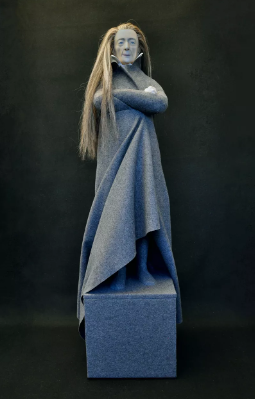
Judith Shea’s abstract figurative reductions focus on simplifying human forms to essential shapes while retaining their emotional depth. These sculptures often eliminate intricate details, opting instead for smooth lines and shapes that evoke the essence of the human experience. This approach allows viewers to engage with the work on a visceral level, inviting personal interpretations that transcend the specifics of the figure. Through this method, Shea illustrates how abstraction can communicate feelings and narratives as powerfully as detailed representation.
2. Material and Technique
One of the fascinating aspects of Shea’s work is her choice of materials and techniques. She often utilizes bronze and mixed media, allowing for a unique interplay of textures and finishes. This contrast not only enhances the visual appeal but also adds layers of meaning to the sculptures. For example, the patina on her bronze pieces may signify aging or transition, elements that resonate deeply within the context of human life. Shea’s techniques invite audiences to explore the physicality of her art, as the smooth surfaces contrast with the emotional weight they carry.
3. The Impact of Context and Interpretation
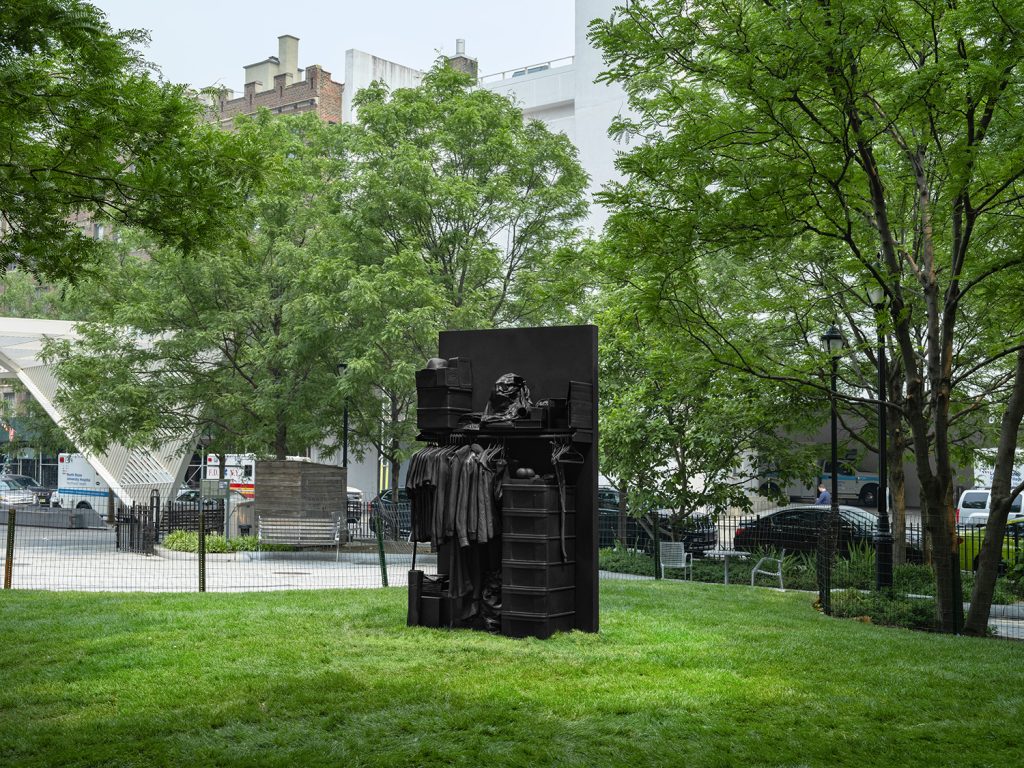
Shea’s work is not merely about the sculptures themselves but also about the viewer’s experience and interpretation. Placing her abstract figures in various contexts, such as galleries or public spaces, can dramatically alter their perceived meaning. The environments in which these pieces exist spark dialogues about identity, memory, and human connection. Shea’s figures often become reflections of those who engage with them, demonstrating the potential of art to foster connection and spark conversations about the human condition.
In conclusion, Judith Shea’s abstract figurative reductions offer a compelling exploration of form, emotion, and context in contemporary art. Her innovative techniques and thoughtful materials invite us to rethink our perceptions of the human figure. If you’re intrigued by these artistic explorations, consider visiting a local gallery or museum featuring her work, or delve deeper into contemporary art discussions to enrich your understanding of this engaging topic!