Joan Miró’s Abstract Symbolic Sculptures
Joan Miró, a pivotal figure in 20th-century art, profoundly transformed the landscape of modern sculpture. With his whimsical shapes and vibrant colors, Miró’s abstract symbolic sculptures invite viewers to explore the boundaries of imagination and emotion. Understanding his work not only enhances appreciation for modern art but also enriches our comprehension of symbolism in visual culture.
1. The Essence of Abstract Symbolism
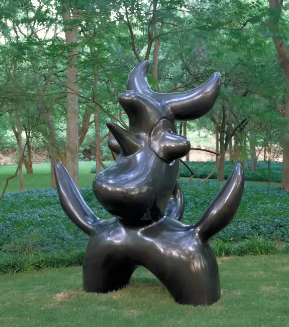
Miró’s sculptures embody a unique blend of abstract forms and personal symbolism. He believed that art should be an extension of the unconscious mind, which is why many of his pieces appear dreamlike and spontaneous. These sculptures often incorporate organic shapes and lively colors that evoke a sense of playfulness. For instance, his work often draws upon themes of nature and the universe, mirroring his fascination with the surreal and the subconscious. This combination of abstraction and symbolism encourages viewers to derive their own interpretations, making each encounter with his work a personal journey.
2. Material and Method: Crafting Dreams into Reality
Miró’s artistic process was as innovative as the results. He experimented with diverse materials, including bronze, ceramic, and steel, allowing him to transcend traditional boundaries of sculpture. His use of everyday materials was intentional; by doing so, he aimed to create art that was accessible and relatable to the public. One notable work is “The Woman and the Bird,” which showcases his talent for transforming simple materials into complex symbols of life and freedom. Miró’s method often involved spontaneity, inviting chance into his creative process, thus creating pieces that feel both organic and dynamic.
3. Influence and Legacy: A Lasting Impact on Contemporary Art
Miró’s contribution to the world of sculpture has inspired countless artists and movements. His work not only set the stage for Surrealism but also influenced abstract expressionism and contemporary art. The playful, almost childlike quality in his sculptures encourages a sense of wonder among viewers. Institutions like the Fundació Joan Miró in Barcelona celebrate his legacy by displaying his work and supporting emerging artists who wish to explore similar themes. By engaging with Miró’s art, we can gain insights into the interplay between abstraction and meaning, making his legacy relevant today.
In conclusion, Joan Miró’s abstract symbolic sculptures offer a captivating glimpse into the mind of a master artist who dared to dream in three dimensions. By exploring his work, we open ourselves to a world of symbols and interpretations that resonate on different levels. To further deepen your appreciation for Miró and similar artists, consider visiting a local gallery or delving into art history books. Embrace the whimsical and uncover new meanings in the world around you!