James Turrell and the Art of Abstract Light
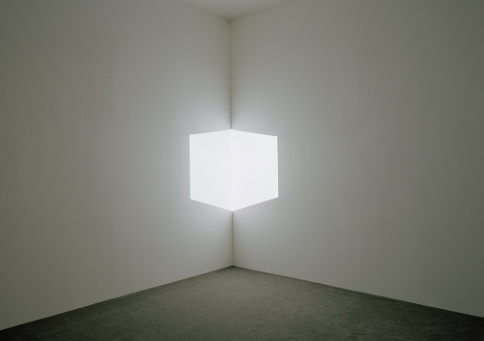
James Turrell is a visionary artist who has dedicated his life to exploring the relationship between light and space. His distinctive work not only captivates audiences but also challenges our perceptions of reality. In an age where visual stimuli constantly bombard us, understanding Turrell’s art offers insight into how light can evoke emotion, alter our experiences, and transform spaces.
1. The Visionary Behind the Movement
James Turrell was born in 1943 in Los Angeles, California, and his journey into the realm of light began with an architectural background and a keen interest in the properties of light. His works delve deep into our sensory perceptions, allowing viewers to engage with light in a dynamic and often immersive way. Turrell’s signature piece, the Roden Crater, is a monumental earthwork located in Arizona, designed as a huge observatory that aligns with the sun and sky. This project epitomizes Turrell’s exploration of light as an essential medium that invites contemplation and connection with nature.
2. The Intersection of Art and Science
Turrell’s fascination with light is not just artistic; it’s deeply scientific as well. His work often involves intricate knowledge of optics and perception. In installations like “Aten Reign” at the Guggenheim Museum, Turrell plays with color and light to create a shifting environment that feels alive. Visitors report feeling as if they are entering a different dimension, highlighting Turrell’s ability to manipulate light to transform our experiences. This merging of art and science makes his work intriguing not just for art lovers but for anyone interested in how natural phenomena influence human perception.
3. An Invitation to Experience
What sets James Turrell apart is his ability to invite viewers into a personal journey through light. His installations often encourage contemplation, urging us to slow down and become aware of the light and space around us. For instance, in “Skyspaces,” perfect architectural designs create openings in the ceiling that frame the sky and let in natural light, prompting visitors to quiet their minds and truly observe the world above. Turrell’s work embodies the notion that art can provide a sanctuary for reflection, making his exhibitions much more than mere visual displays; they are experiences that linger long after you leave.
In conclusion, James Turrell’s exploration of light reshapes our understanding of both art and reality. His innovative work encourages us to new perceptions and deeper contemplation. If you have the opportunity, consider visiting one of his installations or exploring his works online. Engaging with Turrell’s art can be a transformative experience, opening your eyes to the beauty and complexity of light.