Henry Moore’s Abstract Human Forms
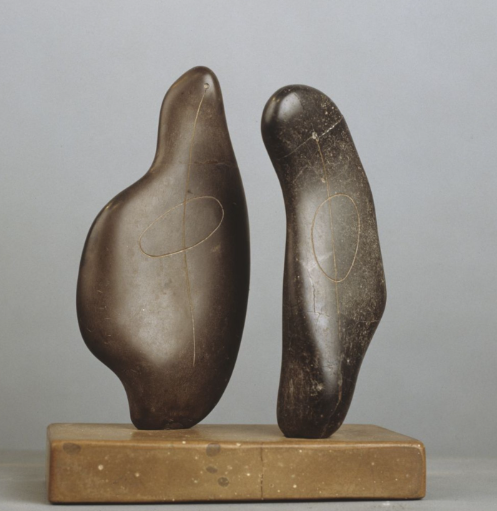
Henry Moore is a name synonymous with modern sculpture, known for his distinctive style characterized by abstract human forms. His works not only redefine the perception of human figures in art but also invite us to explore the deeper connections between humanity and the natural world. In this blog post, we will delve into Moore’s unique approach to abstraction, the thematic significance of his sculptures, and the enduring influence he has had on contemporary art.
1. The Evolution of Moore’s Style
Henry Moore’s artistic journey began with his early influences, including ancient Mexican art, European sculpture, and even his own experiences during World War I. Over time, his style evolved from realistic representations of the human body to more abstract interpretations. His sculptures often distill the human form into simple, organic shapes that evoke a sense of movement and emotion. This evolution reflects not just a personal development as an artist but also a broader shift in art toward abstraction, making his work a pivotal part of art history.
2. Symbolism in Abstract Forms
Moore’s sculptures often convey complex themes through their simplified forms. The hollow spaces and curves in many of his pieces symbolize voids and fullness, expressing the duality of existence. For example, his reclining figures capture ideas of rest and contemplation, as well as vulnerability and shelter. By abstracting the human figure, he encourages viewers to project their own interpretations and emotions onto the artwork, thus creating a personal connection that transcends the physical form.
3. Impact on Modern Sculpture
Henry Moore’s legacy is significant in shaping the direction of contemporary sculpture. His focus on abstraction and the human experience has inspired countless artists who seek to explore similar themes in their work. Additionally, Moore’s commitment to public art has resulted in many large-scale installations in parks and public spaces, bringing art closer to the community. His influence extends beyond sculpture; the integration of natural elements into his works has encouraged a greater appreciation for the environment in artistic practices.
Conclusion
Henry Moore’s abstract human forms are more than just sculptures; they are explorations of the human condition, shaped by both personal and universal experiences. His innovative approach continues to inspire artists and art lovers alike, urging us to see beyond the surface of form and engage with deeper meanings. To discover more about his remarkable body of work and its significance in today’s art world, take the time to visit a local gallery or explore online resources. Engaging with Moore’s art is an invitation to reflect on our own humanity.