Exploring the sculptural language of Barbara Hepworth opens a window into a world where form and space intertwine, revealing the profound connections between nature, humanity, and abstraction. As a prominent figure in modern sculpture, her work has significantly influenced how we perceive three-dimensional art. Understanding her techniques and themes not only enriches our appreciation of sculpture but also highlights the evolution of artistic expression in the 20th century.
Influence of Nature
Barbara Hepworth’s sculptures are deeply rooted in her surroundings, reflecting a profound connection to the natural environment. Living in Cornwall, she drew inspiration from the landscape, using organic shapes and forms that mirror the essence of stones, trees, and water. This relationship with nature is visible in her choice of materials as well; she often employed woods and stones that evoke the textures and colors of the world around her, making each piece not just an object of art but a dialogue with nature itself.
Use of Abstraction
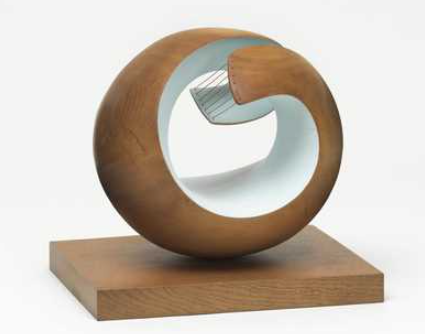
Hepworth was a pioneer in the use of abstraction, shifting away from representational art to embrace a more minimalist style. Her sculptures often feature simple, geometric shapes that convey complex emotions and ideas. By distilling forms down to their essence, she prompts viewers to engage with the work on a deeper level, inviting them to interpret meaning based on personal experiences. This abstraction plays a vital role in her pieces, allowing for a more universal language that transcends cultural barriers.
Interplay of Light and Space
Another hallmark of Hepworth’s sculptural language is her masterful manipulation of light and space. She understood how light interacts with different materials, using it to create shadows and enhance the depth of her works. Many of her sculptures have hollowed-out areas, encouraging viewers to move around them, thereby revealing new perspectives and dimensions. This dynamic relationship between the sculpture and its environment emphasizes the idea that art is not just viewed, but experienced, making it an integral aspect of Hepworth’s artistic philosophy.
Delving into the sculptural language of Barbara Hepworth offers invaluable insights into the intersection of art, nature, and abstraction. Her innovative approaches have left an indelible mark on the world of sculpture, encouraging us to see and feel more deeply. To continue exploring her legacy, consider visiting exhibitions or reading her writings to further appreciate her contributions to modern art.