Eva Hesse’s Abstract Materiality
Eva Hesse, a pivotal figure in the post-minimalist art movement, invites viewers to explore the profound connections between materials and meaning. Her innovative use of unconventional materials not only reshapes artistic boundaries but also challenges our perceptions of abstraction. Understanding Hesse’s approach to abstract materiality not only enriches our appreciation of her work but also offers valuable insights into the nature of art itself.
1. The Significance of Materiality in Hesse’s Work
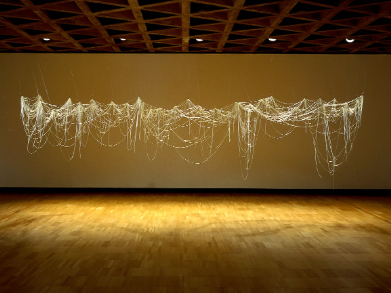
Hesse’s exploration of materiality is crucial to her artistic identity. She often worked with materials such as latex, fiberglass, and plastics, which were unconventional at the time. This choice reflects her desire to transcend traditional artistic mediums and engage with the tactile qualities of her materials. Hesse’s work exemplifies how the choice of material can influence both the visual and emotional experience of art, allowing for a deeper engagement between the artwork and the viewer.
2. Process Over Product: The Fluidity of Creation
One of the most interesting aspects of Hesse’s art is her emphasis on process. She often constructed her pieces through experimentation, allowing her materials to inform the final outcome. This approach fosters a sense of fluidity and spontaneity, which contrasts sharply with the rigidity found in more traditional forms of sculpture. By prioritizing process, Hesse invites viewers to appreciate the journey of creation and the dynamic interplay between artist and material, encouraging a more thoughtful interaction with her works.
3. The Role of Abstraction in Hesse’s Art
Hesse’s abstraction goes beyond aesthetic choices; it serves as a dialogue between form, space, and viewer perception. Her works often evoke emotional responses, prompting viewers to confront their own interpretations of space and meaning. By synthesizing the familiar and the unfamiliar, Hesse’s art challenges us to reconsider our relationship with objects and their tangible qualities. This intricate relationship between abstraction and materiality allows her work to resonate on multiple levels, fostering a rich and varied dialogue that continues to inspire contemporary artists today.
In conclusion, Eva Hesse’s exploration of abstract materiality is not just a study of art; it is an invitation to engage with the world around us. Her innovative use of materials and emphasis on process highlight the ever-evolving relationship between artist and creation. To delve deeper into Hesse’s impactful work and its relevance today, consider exploring her exhibitions or reading more about her artistic philosophy. Embrace the journey of discovery and let Hesse’s legacy inspire your artistic ventures.