El Anatsui’s Abstract Metal Assemblages: A Fusion of Culture and Creativity
El Anatsui, a renowned Ghanaian artist, has gained international acclaim for his stunning abstract metal assemblages. His work transcends mere aesthetics, intertwining cultural significance, environmental consciousness, and artistic innovation. Understanding Anatsui’s unique perspective and mastery over materials opens a window into contemporary art that reflects profound narratives and profound beauty.
1. The Essence of Material Transformation
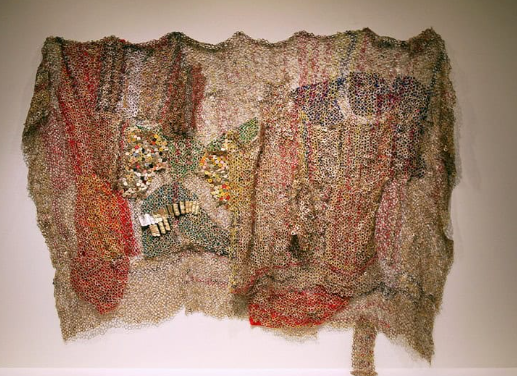
Anatsui’s art prominently features discarded materials, primarily bottle caps and metal fragments, which he meticulously transforms into vibrant works resembling fabric or tapestries. This innovative approach not only redefines the concept of art but also speaks to themes of consumption and waste in our modern world. By utilizing materials often overlooked, Anatsui encourages us to see potential beauty in the mundane, prompting important conversations about sustainability and resourcefulness.
2. Cultural Narratives and Identity
Anatsui’s assemblages are rich with cultural narratives, reflecting his Ghanaian heritage while resonating universally with viewers. Each piece is a melting pot of color, texture, and form that invites interpretation. His work holds stories of tradition, change, and identity, often drawing inspiration from the social and historical contexts of Africa. In a world increasingly interconnected, Anatsui’s art serves as a bridge, fostering understanding and appreciation for diverse cultures through his distinctive aesthetic language.
3. Installation Art and Viewer Engagement
Anatsui’s metal assemblages are not merely standalone pieces; many of them are site-specific installations that engage with their surroundings. The scalability and adaptability of his works allow them to respond vividly to the space they inhabit, creating an immersive experience for viewers. This interaction transforms passive observation into active participation. As audiences walk around and through these installations, they become part of the artwork itself, underscoring a sense of communal experience and shared narrative.
In conclusion, El Anatsui’s abstract metal assemblages are much more than visually striking art; they are profound expressions of culture, identity, and environmental awareness. His ability to transform the ordinary into the extraordinary encourages us to reflect on art’s potential to inspire change and forge connections. To explore more about El Anatsui’s work and the messages behind it, consider visiting a museum or gallery, or delve into articles and documentaries that illuminate his artistic journey.