Calder’s Balance of Motion and Abstraction
Alexander Calder is renowned for revolutionizing modern art through his innovative use of movement and abstraction. His dynamic sculptures, particularly his mobiles and stabiles, not only capture the imagination but also invite viewers into a conversation about motion, balance, and the nature of art itself. Understanding Calder’s work aids in appreciating how modern art has evolved and how it continues to influence contemporary artistic practices.
1. The Art of Movement
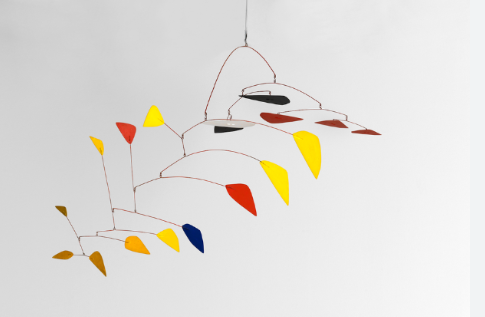
Calder’s unique approach to art fundamentally integrates movement, making it a key aspect of understanding his works. He believed that art should not be static; instead, it should engage with its environment and the viewer. His mobiles, which hang from ceilings or other structures, are often delicately balanced and set in motion by air movement or gentle nudges. This creates a captivating dance of shapes and colors, evoking a sense of joy and wonder. As they sway, they challenge viewers to reconsider conventional notions of sculpture and what it means to experience art.
2. Embracing Abstraction
Calder was also a pioneer of abstraction in sculpture. Moving away from literal representation, his forms broke free from traditional constraints, focusing on shapes and colors to evoke emotion and thought. His use of simplified geometric shapes allowed him to express complex ideas about balance, harmony, and spatial interaction. By embracing abstraction, Calder opened new avenues for artistic expression, inviting viewers to interpret meaning based on their own experiences rather than a predefined narrative. This shift remains influential in modern art, encouraging a broader appreciation of the abstract.
3. The Balance of Art and Nature
An essential element of Calder’s work is the balance he strikes between art and nature. His sculptures often mimic natural forms and movements, creating a dialogue between the two. For instance, the gentle sway of a mobile can remind viewers of the calm flow of water or the rustling of leaves in a breeze. This connection to nature not only enhances the aesthetic experience but also fosters a reflective understanding of our environment. Calder encourages us to recognize harmony and balance in both art and life, showing how creative expression can mirror the world around us.
In conclusion, Alexander Calder’s exploration of movement and abstraction enriches our understanding of modern art and its relationship with nature. His work continues to inspire artists and art enthusiasts alike. If Calder’s dynamic universe intrigues you, consider visiting a local museum or gallery featuring his pieces, or explore more about contemporary artists who build upon his legacy. Embrace the balance of motion and abstraction in your own life, and see how it inspires your appreciation for creativity!