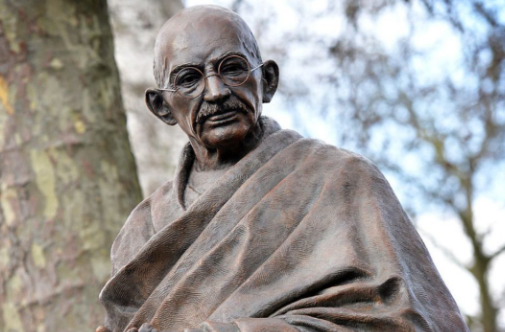
The representation of Mahatma Gandhi in sculptural art captures the essence of his philosophy and life journey. Among various poses depicted, walking poses stand out, symbolizing his relentless pursuit for peace and justice. This blog explores the significance of these walking poses in Gandhi’s sculptural design and what they convey to viewers.
1. The Symbolism of Walking in Gandhi’s Sculptures
Walking poses in Gandhi’s sculptures are laden with symbolic meaning. Gandhi’s walk was not just a physical act but a manifestation of his ideology. As he walked across India rallying people for independence, each step represented determination, resilience, and a call to action. Sculptors have captured this essence, portraying him in mid-stride, often with a serene expression, embodying both grace and purpose.
These walking depictions remind viewers of Gandhi’s pivotal Salt March, an act of civil disobedience against British rule. This monumental event not only showcased his commitment to non-violence but also his ability to mobilize masses. Sculptors, by capturing these moments of movement, invoke a sense of urgency and inspirational leadership in Gandhi’s character, compelling people to reflect on their own roles in societal change.
-
- Consider the context of the sculpture: what events does it reference?
-
- Observe the body language and expression: how do they convey emotions?
-
- Reflect on the historical impact of Gandhi’s walks and how they inspire action today.
-
- Think about the message you want to convey in your own artistic representations.
2. Artistic Techniques in Capturing Movement
Sculptors employ various artistic techniques to depict Gandhi’s walking poses effectively. The use of flowing lines and dynamic angles in the figures often creates a sense of motion. Additionally, the choice of materials—like bronze or stone—adds to the visual weight of the piece, grounding the figure while still maintaining an impression of movement. The textures applied can also suggest clothing fluttering in the wind, enhancing the illusion of motion.
Many sculptures also play with perspectives; being positioned at eye level can engage audiences more personally, encouraging them to connect emotionally with the figure. For instance, a larger-than-life sculpture at a public square not only heightens Gandhi’s importance but invites passersby to imagine walking alongside him. Such techniques transform a mere figure into a powerful symbol of hope and change.
-
- Study different materials used in sculptures to better understand their effects.
-
- Look for dynamic poses in sculptures to learn how movement can be represented.
-
- Analyze different perspectives and angles of viewing that alter viewer engagement.
-
- Experiment with lighting when creating your own sculptures to enhance movement.
3. The Cultural Impact and Legacy of Gandhi’s Walking Poses
The cultural impact of Gandhi’s walking poses in sculpture cannot be overstated. These works serve as lasting markers of human rights and civil disobedience. Gandhi’s image has transcended borders, inspiring movements around the world that seek justice through peaceful means. Contemporary interpretations of his walking pose can be found in various public spaces, reminding society of the ongoing struggle for equality and peace.
Furthermore, these sculptures encourage introspection about one’s own societal contributions. They prompt individuals to consider how they can take steps—literally and figuratively—to enact change. Schools, institutions, and public organizations use these images in their curricula and programs, ensuring that Gandhi’s powerful legacy continues to resonate through generations.
-
- Engage with local statues or displays of Gandhi to foster community dialogue.
-
- Support public art installations that promote peaceful activism.
-
- Participate in workshops that explore the significance of public art in reflecting cultural values.
-
- Share your reflections on social media to inspire others in your community.
As we delve into the fascinating world of Mahatma Gandhi’s sculptural representations, particularly his walking poses, it becomes clear how these works bridge history and ongoing struggles. They invite us to reflect on our responsibilities and inspire us to continue moving toward justice and peace. Take the next step by seeking out these sculptures in your community or engaging in discussions about their significance.