
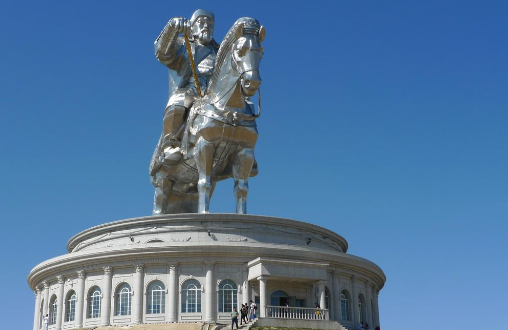
Sculpting strength and dominance is a concept that transcends mere physicality, especially in the context of the statues dedicated to Genghis Khan. These monuments illustrate not only the might of a leader but also serve as a testament to the cultural and historical significance he has held for centuries. Understanding these statues can enhance our appreciation of Genghis Khan’s legacy and the artistry that portrays it.
1. The Artistic Interpretation of Power
The design elements in Genghis Khan statues reflect the artistic prowess of various cultures, emphasizing strength and dominance. Many of these statues feature exaggerated musculature and grand poses, showcasing him as a formidable warrior and ruler. Statues often include intricate details, from the texture of the horse’s mane to the expression on Khan’s face, which all contribute to a narrative of authority that speaks to his historical impact.
For example, the towering statue of Genghis Khan in Mongolia, standing at 40 meters, symbolizes not only physical stature but also the far-reaching influence he had over vast territories. The pose is dynamic, with Khan appearing ready to lead his army, emphasizing action over stillness. This choice in design serves to inspire feelings of admiration and respect, manifesting the raw power associated with his legacy.
-
- Examine the pose: Notice how body language communicates power.
-
- Explore various artistic styles: Different cultures depict Genghis Khan in unique ways.
-
- Appreciate the details: Look for intricate designs in clothing and accessories.
-
- Consider size and scale: Higher statues often symbolize greater influence.
2. Cultural Significance and Symbolism
The cultural significance of Genghis Khan statues extends beyond simple representation; they embody the values and beliefs of the cultures that honor him. In Mongolia, for instance, Genghis Khan is regarded as a national hero, and his statues often serve as symbols of Mongolian identity and unity. These monuments not only commemorate his achievements but also inspire national pride and a sense of belonging among the populace.
In other cultures, his statues may take on different meanings, such as embodying the themes of conquest and leadership. Statues found in various global locations may be celebrated as tributes to the legendary status he has achieved, often portrayed in ways that capture local cultural narratives around power and governance. The blend of different interpretations illustrates how Genghis Khan’s legacy is a shared narrative across multiple societies.
-
- Research local interpretations: Discover how different cultures understand Genghis Khan.
-
- Visit a statue: Witness the symbolism in person to absorb its impact.
-
- Engage with local stories: Listen to tales about Genghis Khan from various perspectives.
-
- Explore the design’s symbolism: Reflect on what certain features represent to the culture.
3. Modern Representations and Relevance
In contemporary times, Genghis Khan statues continue to evolve, reflecting modern views on leadership and power. Artists and historians alike are reinterpreting his image to resonate with current societal values and concerns. Modern depictions may focus on aspects of inclusivity and diplomacy, acknowledging that characteristics of a great leader can vary over centuries.
<pFurthermore, these statues have become focal points for discussion about the complexities of leadership. While Genghis Khan is celebrated as a unifier and a visionary, discussions about his conquests also provoke debates regarding ethics and colonialism. This duality invites viewers to engage critically with his legacy and the lessons it may hold for today’s leaders.
-
- Follow current debates: Stay informed about the discussions around historical figures.
-
- Read contemporary literature: Explore books that tackle Genghis Khan’s impact today.
-
- Participate in local discussions: Join forums or groups discussing historical legacies.
-
- Reflect on modern leadership: Think critically about what traits make a leader effective today.
In summary, Genghis Khan statues are more than simple representations; they are profound reflections of artistry, cultural significance, and evolving narratives surrounding power. As you explore these statues, allow yourself to engage deeply with the stories they tell. Whether through direct observation or discussion, you can enhance your understanding of Genghis Khan’s lasting impact on history and society.