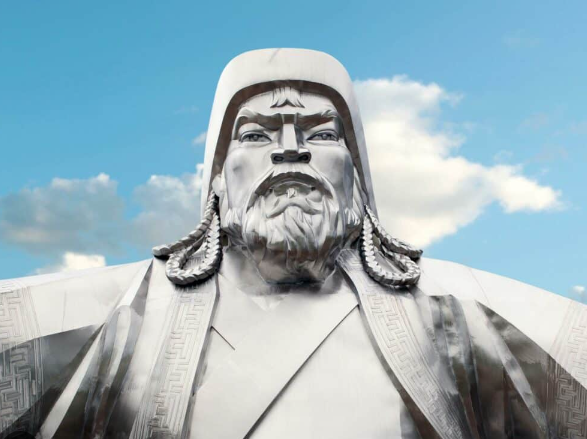
The Equestrian Genghis Khan sculptures are not just remarkable pieces of art; they are profound symbols of the historical expansion of the Mongol Empire. These sculptures encapsulate Genghis Khan’s legacy, an innovative ruler who reshaped the world through his conquests and leadership. Understanding these sculptures offers insight into not only Mongolian history but also the broader themes of cultural expansion and influence.
1. The Historical Significance of Genghis Khan
Genghis Khan, born as Temüjin in 1162, emerged as one of history’s most formidable leaders, uniting the fragmented tribes of Mongolia. His vision transcended tribal boundaries, leading to the establishment of the Mongol Empire, which became the largest contiguous empire in history. The Genghis Khan sculpture symbolizes this unification, serving as a reminder of how effective leadership can influence vast territories and diverse populations.
The statue itself, often depicted with Genghis Khan riding a stallion, signifies movement and power. The posture of the horse can be interpreted as both aggressive and noble, a reflection of his strong will. In Mongolian culture, horses are deeply revered, underscoring the essential role that equestrian skills played in warfare and everyday life during that era.
-
- Study the historical context of Genghis Khan’s life.
-
- Explore the different regions affected by his conquests.
-
- Understand the cultural significance of horses in Mongolian history.
-
- Look into the leadership styles of various historical figures.
2. Artistic Representation and Symbolism
The Equestrian Genghis Khan sculptures are crafted from a variety of materials, including bronze and steel, and are often embellished with intricate designs that reflect Mongolian artistry. These pieces not only portray Genghis Khan’s physical attributes but also convey his characteristics as a visionary leader. The grandeur of the sculptures often leaves a lasting impression on viewers, enhancing their appreciation for Mongolian heritage.
Beyond the mere representation of Genghis Khan, these sculptures are imbued with symbolism. The horse, for instance, represents freedom and the adventurous spirit of the Mongolian people. The positioning of Genghis Khan’s right arm, often raised, signals the readiness to conquer new horizons. These artistic choices serve to inspire future generations by celebrating Mongolia’s rich historical narrative.
-
- Visit local galleries or museums showcasing Mongolian art.
-
- Read about the artistic techniques used in bronze and steel sculptures.
-
- Attend workshops on Mongolian cultural heritage.
-
- Engage in discussions about the symbolism present in historic artworks.
3. The Role of Equestrian Culture in the Expansion of the Empire
Equestrian culture played a pivotal role in the expansion of Genghis Khan’s empire. The Mongol cavalry was unmatched in its agility and strategic capacity, enabling rapid movements across vast terrains. Horses were not merely transportation; they were essential for warfare, trade, and communication, allowing Mongol armies to cover thousands of miles in a short time. This aspect of Genghis Khan’s military prowess is captured vividly in his sculptures.
The importance of the horse in Mongolian culture extends beyond functionality; it is woven into the social fabric of the society. Traditional practices like horse racing and festivals elevate the status of horses, thus reinforcing their value in everyday life and military endeavors. The equestrian sculptures serve to remind us of this crucial relationship between the Mongol people and their horses, portraying a legacy built on speed, mobility, and strength.
-
- Participate in equestrian activities to gain firsthand experience.
-
- Research how cavalry tactics evolved across different cultures.
-
- Explore horse-related cultural ceremonies in Mongolia.
-
- Share your experiences with others in community forums.
4. Contemporary Legacy and Cultural Revitalization
Today, the Equestrian Genghis Khan sculptures serve as an integral part of Mongolia’s identity and heritage, attracting tourists from around the world. The sheer scale of these monuments not only honors Mongolian history but also invigorates national pride. As contemporary Mongolians grapple with globalization, these sculptures represent a bridge between past and present.
Public interest in Genghis Khan is significant, leading to cultural revitalization efforts like festivals, exhibitions, and educational programs. These initiatives celebrate Mongolian history while encouraging the younger generations to engage with their roots. The monuments act as focal points for discussions about the empire’s complex legacy, promoting a nuanced understanding of its scope and impact on world history.
-
- Visit historical sites to appreciate their relevance in modern culture.
-
- Attend festivals celebrating Mongolian culture and heritage.
-
- Engage with local historians for deeper insights into Mongolian legacy.
-
- Support cultural initiatives aimed at preserving Mongolian heritage.
In conclusion, the Equestrian Genghis Khan sculptures are more than artistic representations; they encapsulate centuries of history, culture, and identity. Exploring their significance can inspire admiration for the resilience and achievements of the Mongolian people. Consider diving deeper into this fascinating topic by visiting relevant cultural sites or engaging in community discussions.