The impactful legacy of George Washington is often memorialized through statues that vary in size and scale. Two predominant styles are monumental statues that tower over their surroundings and human-scale versions that resonate more personally with viewers. Understanding these different approaches can help us appreciate how they reflect historical significance and cultural sentiments.
1. The Magnitude of Monumental Statues
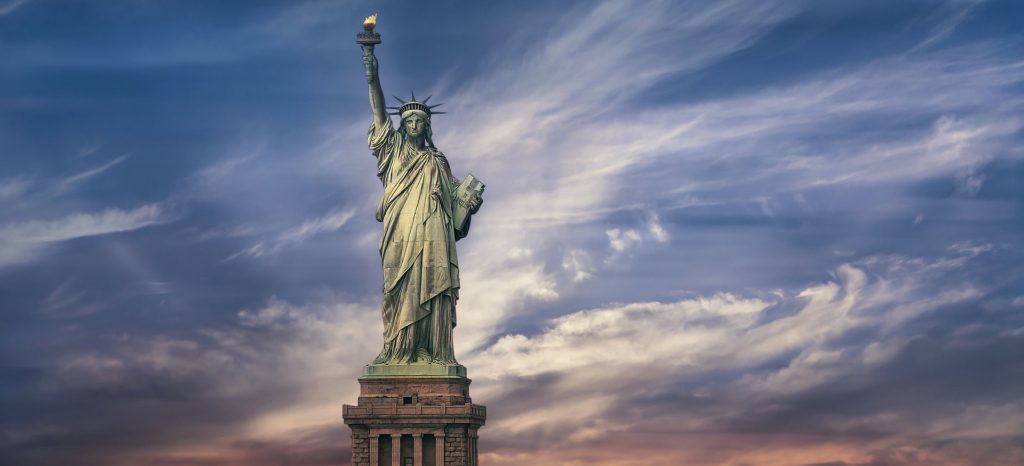
Monumental statues of George Washington are stunningly grand, designed to instill a sense of awe and reverence. These massive structures often dominate public spaces, symbolizing the might and grandeur of the nation’s founding figures. Notable examples include the Washington Monument in Washington, D.C. This obelisk stands 555 feet tall and has become an iconic representation of American history. These larger-than-life representations are not just about size; they are also about the scale of the achievements they commemorate.
In many cases, monumental statues are crafted from durable materials like granite or marble, signaling permanence and strength. The planning and execution of such statues typically involve significant resources, both in funding and artistic talent. With an emphasis on historical accuracy and symbolism, these structures can serve as a potent reminder of Washington’s pivotal role in American history, reinforcing national pride and identity.
-
- Research the history behind major monumental sculptures.
-
- Consider visiting significant statues to grasp their scale and impact.
-
- Reflect on what the size of a monument communicates about the subject.
-
- Examine the materials involved in constructing monumentals for insights into durability.
2. The Intimacy of Human-Scale Statues
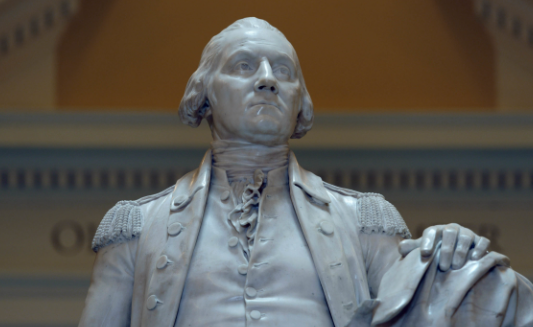
Human-scale statues of George Washington create a more personal connection between the statue and the viewer. These works are often smaller and tend to depict Washington in relatable settings or poses. One compelling example is the statue of Washington in the Virginia State Capitol, sculpted by Jean-Antoine Houdon. This statue, standing at just over six feet, captures Washington in a thoughtful pose, allowing viewers to connect with him on a more human level.
The key to human-scale statues lies in their ability to resonate emotionally with people. Unlike their monumental counterparts, human-scale statues often blend seamlessly into public parks, civic buildings, or community spaces. This organic integration fosters opportunities for daily interactions, prompting conversations about Washington’s legacy and encouraging visitors to reflect on their own roles in society.
-
- Seek out local human-scale statues for an immersive experience.
-
- Engage in discussions about the emotional impact of smaller statues.
-
- Analyze how the context of placement affects the perception of a statue.
-
- Consider your personal reactions to various statue sizes when visiting them.
3. The Cultural Impact of Scale
The choice between monumental and human-scale statues can profoundly influence public perception and cultural identity. Monumental statues often embody national pride, representing the ideals that a society aspires to achieve. They serve as landmarks that remind citizens of their history and values. In contrast, human-scale statues allow for a nuanced understanding of historical figures like Washington. They encourage dialogue and reflection, fostering a sense of connection to the past.
Cultural events can also be influenced by the scale of statues. For instance, large-scale monuments may host gatherings during national holidays, such as Independence Day, where communities come together to celebrate. Conversely, human-scale statues can serve as intimate settings for smaller community events and educational programs, making history accessible to everyone. Understanding these cultural differences can help inform future public art projects and initiatives.
-
- Investigate community dialogues surrounding proposed monuments.
-
- Discuss the significance of location concerning monument type.
-
- Explore how scaling impacts sculpture placement in urban planning.
-
- Get involved in local initiatives focused on public art development.
4. Designing for Impact: Artistic Choices
The artistic decisions involved in creating both monumental and human-scale statues greatly influence their reception. Monumental statues may be designed with idealized forms, emphasizing grandeur and heroism. Conversely, human-scale statues often embrace realism, portraying Washington with relatable emotions and expressions. Artists must also consider materials, colors, and the surrounding environment to effectively communicate their vision.
Moreover, artists face unique challenges tailored to the scale of their work. For monumental statues, considerations around structural integrity and visibility from far distances are crucial. Meanwhile, human-scale statues require attention to detail, inviting viewers to explore subtleties in facial expressions and posture. Each artistic choice ultimately shapes how audiences engage with and interpret these historical figures.
-
- View a range of statues to compare artistic styles and approaches.
-
- Research the biographies and influences of various artists.
-
- Take detailed notes on the elements that resonate with you in different statues.
-
- Consider the technologies involved in creating both types of sculptures.
In conclusion, exploring the differences between monumental and human-scale statues of George Washington invites us to reflect on both history and our connection to it. Each form has its own unique significance and invites participation from communities in diverse ways. Whether you visit a towering monument or a relatable human-scale statue, take the time to reflect on the stories they tell and the legacies they uphold.