
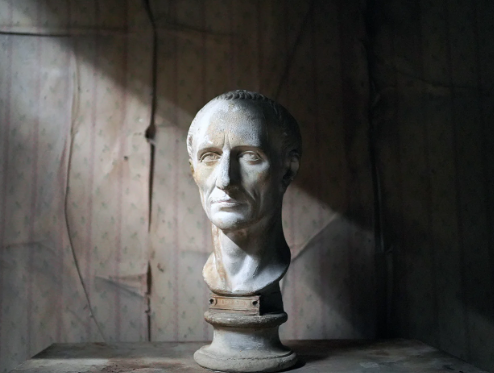
Julius Caesar, one of history’s most fascinating figures, continues to influence modern culture, surprisingly even within academic spaces. His iconic busts are often found in libraries and educational institutions, serving as reminders of the enduring legacy he left behind. This blog post explores the role of Julius Caesar busts in libraries and the significance of academic architecture in housing such historical artifacts.
1. The Significance of Caesar Busts in Libraries
Busts of Julius Caesar often personify the blend of history and academia. Libraries, as centers of learning, frequently display these busts as educational artifacts that connect students and researchers to historical narratives. This connection helps to foster a sense of curiosity and inspiration, encouraging individuals to explore classical literature, politics, and philosophy, particularly works that delve into Caesar’s life and his impact on Rome and beyond.
Moreover, the presence of Caesar’s likeness in educational spaces facilitates discussions around the themes of leadership, governance, and moral philosophy. Scholars might examine his role during the Roman Republic’s transition to an empire, noting both his accomplishments and the ethical implications of his actions. Consequently, such busts serve not only as decorative elements but also as catalysts for robust intellectual discourse.
-
- Explore surrounding artworks and artifacts that enhance your understanding of Caesar’s era.
-
- Participate in library-sponsored discussions or lectures that revolve around Caesar’s impact on governance.
-
- Utilize primary sources, such as Caesar’s writings, to gain a deeper understanding of his thoughts and strategies.
-
- Encourage the library to organize events focused on classical studies, emphasizing interactive learning.
2. Architectural Influence of Libraries Housing Historical Busts
The architecture of libraries often plays a crucial role in establishing a space conducive to learning. Designs that prominently feature classical elements, such as large columns and high ceilings, can evoke the grandeur associated with ancient Rome, aligning with the intellectual heritage of figures like Caesar. Many libraries showcase Caesar’s busts in well-lit areas, emphasizing not just the art itself but also the cultural narratives they represent.
This fusion of architecture and historical artifacts enhances the user experience, inviting visitors to walk through spaces that feel rich in history and knowledge. For example, libraries might align their sculptures along grand staircases or in atriums, drawing attention to these works and prompting reflections on the societal progress that has occurred since Caesar’s time. The design choices complement educational goals and provide a backdrop for informal learning.
-
- Investigate how architectural styles influence feelings of awe and curiosity within library spaces.
-
- Consider accessing resources on architectural history as a pathway to understanding social contexts of bust displays.
-
- Visit famous libraries known for their unique architecture and learn how these designs support their educational missions.
-
- Engage in conversations with architects specializing in educational spaces about the integration of historical artifacts.
3. Educational Programs Centered on Historical Figures
Libraries often host diverse educational programs that revolve around figures like Julius Caesar. These programs may include workshops, lectures, and book clubs that focus on Caesar’s life and times, elevating public engagement with classical studies. Learning through hands-on experiences, such as recreating a Roman forum setup, allows participants to grasp the governance and social structure of ancient Rome, making history resonate on a personal level.
In addition, these programs generally encourage collaborative learning, which fosters a sense of community among participants. Joint explorations of Caesar’s writings or thematic discussions about leadership styles can spark critical thinking and dialogue. Such interactions enrich the educational experience and ensure that the lessons derived from history remain relevant today.
-
- Check the library’s event calendar for upcoming lectures or workshops related to historical figures.
-
- Join local book clubs that focus on historical biographies or themes connected to ancient Rome.
-
- Offer to volunteer or assist with organizing events aimed at bringing ancient history to life in the community.
-
- Encourage your library to include interactive elements, like debates or role-play activities, in historical learning programs.
In conclusion, Julius Caesar busts are not merely decorative pieces; they are gateways to learning, reflection, and captivating discussions in libraries. By exploring and utilizing these educational resources, you can further engage with history and enrich your understanding of the past. Consider visiting your local library to discover a wealth of knowledge waiting to be uncovered.