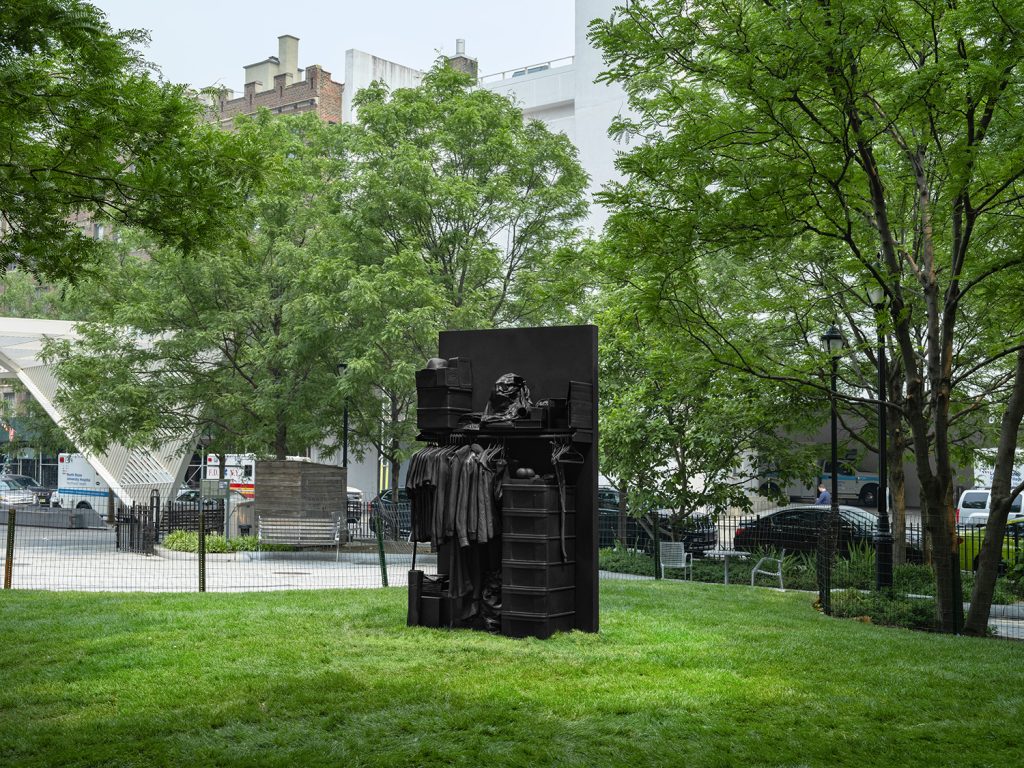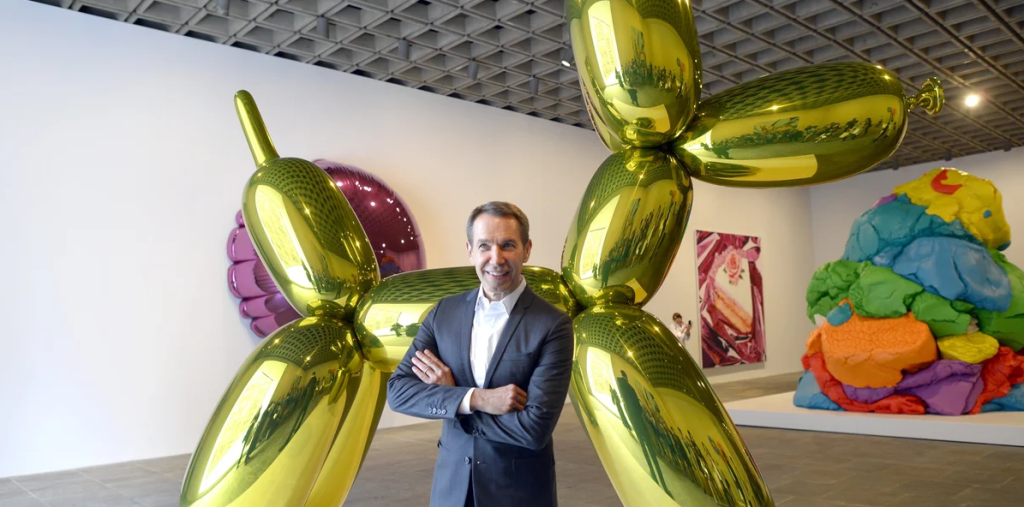
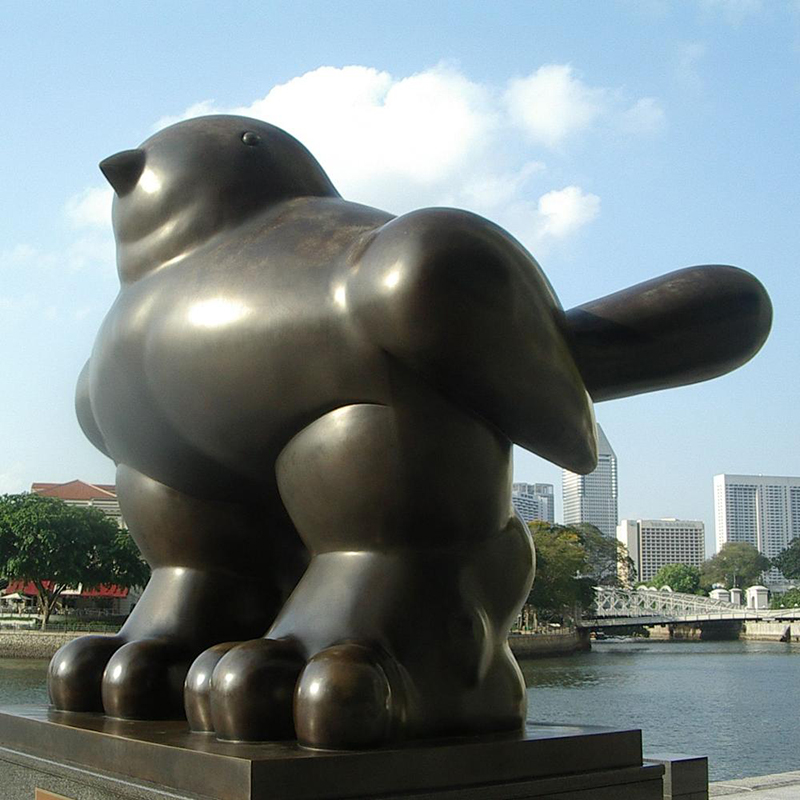
Chubby art is a unique aesthetic style in contemporary sculpture and visual arts. It uses exaggerated, rounded volumes to create a strong sense of presence and visual impact. Unlike traditional sculpture, which pursues delicate lines or perfect proportions, chubby art emphasizes volume and weight, using “fat” forms to make the works visually more powerful and symbolic.
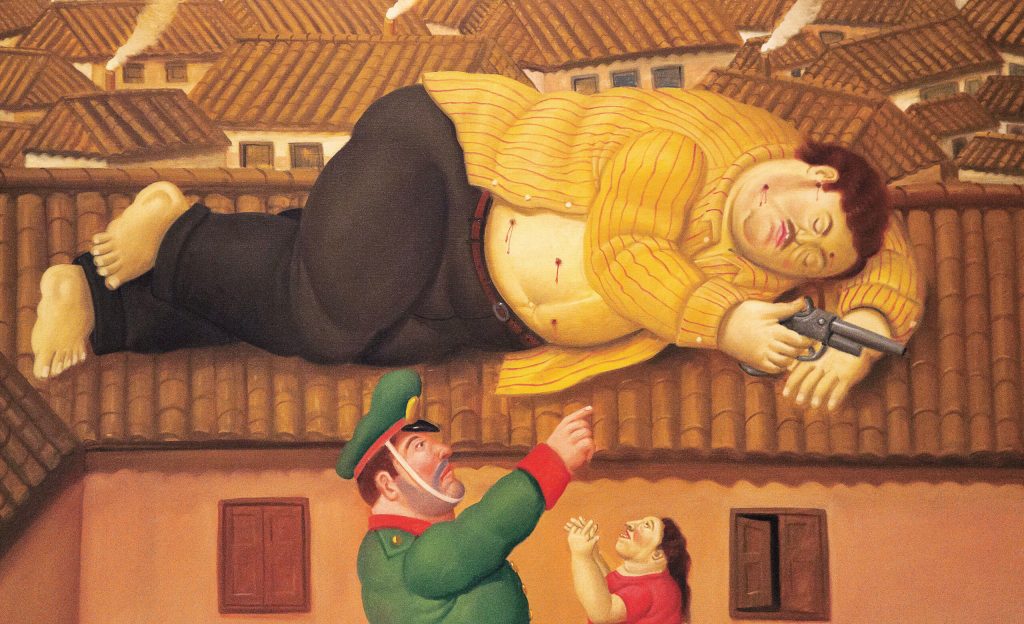
One of the most well-known representatives of this style is the work of Colombian artist Fernando Botero. He combines rounded forms with humor, satire, and social observation, making chubby art not only a formal innovation but also an artistic language capable of expressing thoughts and emotions.
Rounded Volume and Sculptural Aesthetics
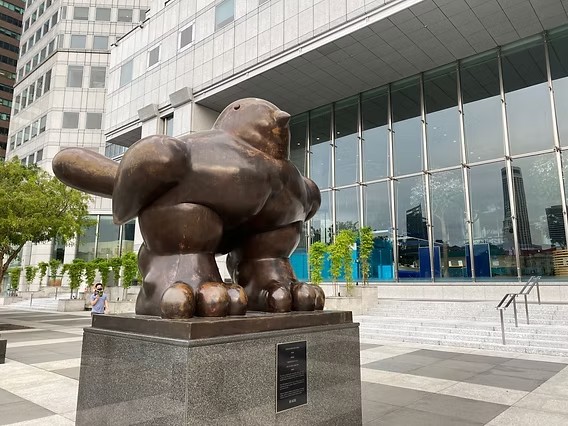
The uniqueness of chubby art in contemporary sculpture lies in its use of volume. Through exaggerated proportions, the sculpture not only attracts the viewer’s attention but also gives the work a stronger presence in space. This amplification of volume is not only an enhancement of visual effect but also an aesthetic exploration—it makes people rethink the relationship between form, proportion, and space.
Unlike traditional sculptures that emphasize muscle lines, speed, or movement, chubby art focuses on the power and balance inherent in stillness. Its rounded forms visually convey a sense of stability and security, while also possessing a touch of humor and approachability.
Fat Horse Sculpture: A Typical Example of Mass Aesthetics
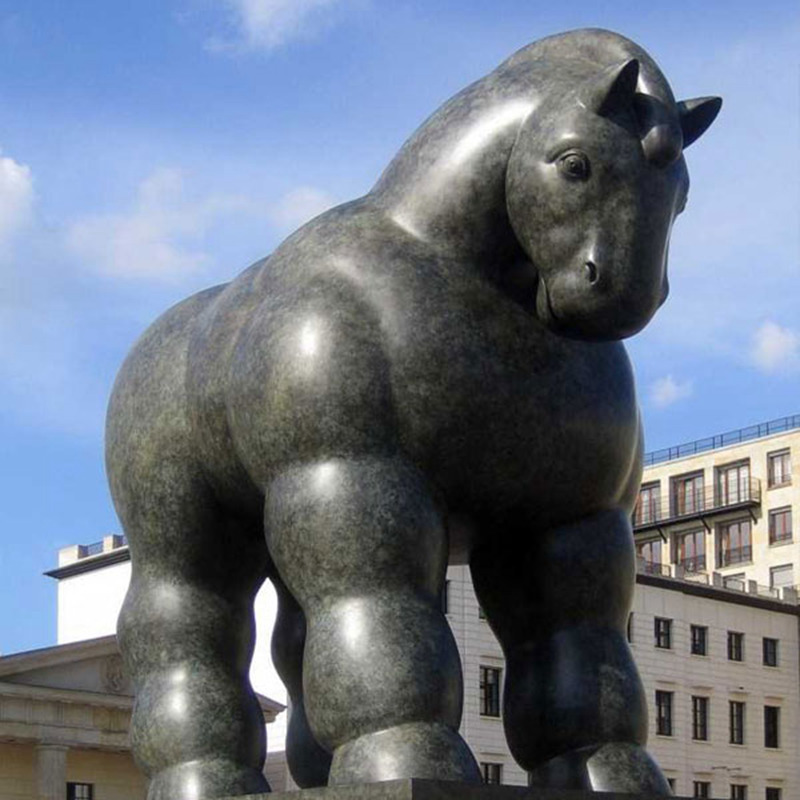
Among the many sculptural works of chubby art, fat horse sculpture is one of the most representative examples. These works, through exaggerated volume and rounded shapes, present a sense of stability and weight. Unlike traditional horse sculptures, fat horse sculpture does not pursue precise depiction of speed or muscle, but rather conveys power, stability, and presence through volume and proportion.
These sculptures are typically placed in public spaces or museum exhibitions. They not only become visual focal points but also allow viewers to interact with the relationship between the sculpture and its environment, experiencing the visual impact and artistic charm brought by volume.
The Significance of Chubby Art in Contemporary Art
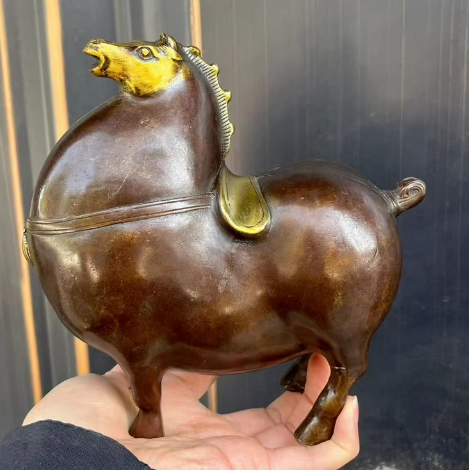
The popularity of chubby art not only reflects a breakthrough in traditional aesthetics but also reflects contemporary artists’ reflections on form, culture, and society. Through exaggerated volume, artists can evoke reflections on power, hierarchy, humor, and humanity in viewers. The rounded, inflated forms serve as both a visual language and a form of social commentary.
Works like fat horse sculptures are not only popular in the art market but also demonstrate their cross-cultural influence in public art and urban sculpture. They allow viewers to experience the artist’s thoughts and creativity in a relaxed and enjoyable visual experience.
In summary
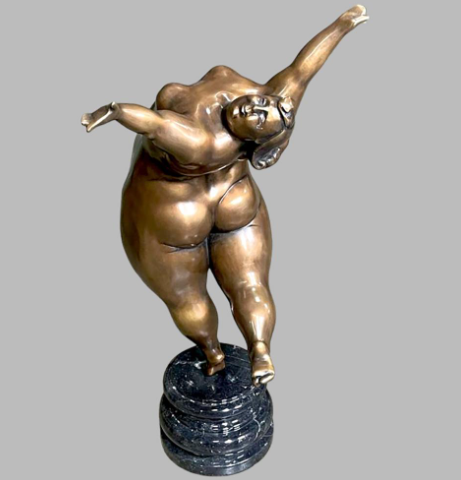
Chubby art, as an important form of contemporary sculpture, has pioneered a unique visual aesthetic with its exaggerated volume and rounded shapes. Whether in indoor collections, museum exhibitions, or sculptural installations in public spaces, this art style has won recognition from audiences and the art world for its approachability, humor, and visual impact.
Fat horse sculpture, as a typical representative of this style, transforms volume into visual power, making sculpture not only a presentation of form but also a carrier of emotion, thought, and culture. Through chubby art, contemporary sculpture demonstrates a unique power: volume can become a dual expression of vision and thought.