
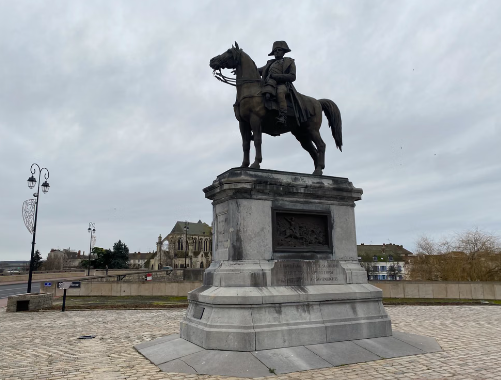
France’s historical parks are not just places for relaxation and recreation; they are monumental repositories of art and history. Among the treasures you can find in these parks are towering statues of one of history’s most famous leaders: Napoleon Bonaparte. Each statue tells a story of ambition, warfare, and artistry that has shaped French history for centuries.
1. The Landscape of Napoleon Statues
French historical parks feature carefully designed landscapes, often housing grand statues of Napoleon. These statues represent various stages of his life and career, serving as focal points and historical checkpoints within the parks. In Paris, for instance, the Place Vendôme is home to the iconic Vendôme Column, topped with a statue of Napoleon in victorious reliefs. Meanwhile, the Jardins des Tuileries showcases other representations of the Emperor, set against the backdrop of beautiful gardens that reflect the grandeur of his reign.
The artistry of these statues is impressive, showcasing not only artistic craftsmanship but also the prevailing historical narratives of the time. The materials used, often bronze or marble, lend a timeless quality to the statues, allowing them to endure decades of weathering while still capturing the essence of Napoleon’s character. The statues often stand in noteworthy poses that posterize Napoleon’s heroic image, invoking feelings of reverence and admiration from onlookers.
-
- Visit multiple parks to experience different styles of statues.
-
- Check for guided tours that focus on historical landmarks.
-
- Take photographs from varying angles to capture the statues’ grandeur.
-
- Learn about the historical context surrounding each statue.
2. The Symbolism Behind the Statues
Each Napoleon statue holds significant symbolism, often reflecting the values and aspirations of the Napoleonic era. For example, statues depicting him in military garb symbolize his prowess as a general and his influence on military strategy. The posture of the statues, whether confident or contemplative, also communicates various messages about his leadership style and ambition. This can be particularly appreciated in places like the Arc de Triomphe, which honors the soldiers who fought under him, thus linking the physical symbol to a broader narrative about sacrifice and heroism.
Moreover, Napoleon statuary serves as a canvas for contrasting views of his legacy. While some portray him as a champion of the French Revolution, others highlight the authoritarian nature of his rule. Such duality can stimulate engaging conversations among visitors regarding the complexities of historical figures. This interplay of admiration and critique makes these statues not just landmarks but also catalysts for deeper discussions about history and morality.
-
- Research the specific statue’s history and the artist behind it.
-
- Consider different perspectives on Napoleon’s legacy while observing the statues.
-
- Engage with other visitors to share insights and interpretations.
-
- Take time to reflect on your own views about authority and leadership.
3. Visiting Tips for a Memorable Experience
To fully embrace the experience of viewing Napoleon statues in French historical parks, consider a mix of planning and spontaneity. Many parks are densely packed with history and beauty, making a leisurely stroll just as rewarding as a guided tour. Timing your visit can be crucial; visiting early in the morning or later in the afternoon can help you avoid crowds and provide stunning light for photography. The changing seasons also affect the park’s landscape, offering different perspectives on the statues throughout the year.
Engaging with knowledgeable guides can provide context that enhances your understanding. Alternatively, self-guided tours allow for a more personal interaction with the statues, letting you linger at those that inspire you most. Bringing along a notebook can also be a fun way to jot down your thoughts, reflections, and the stories you glean from the plaques accompanying the statues.
-
- Plan your visit around lesser-known parks for a unique experience.
-
- Bring a camera to capture the artistry of the statues.
-
- Dress comfortably for walking and standing.
-
- Carry a guidebook or download apps that provide historical background.
In conclusion, the monumental Napoleon statues in French historical parks present more than just art; they embody stories, perspectives, and debates about power and legacy. By visiting these sites, you can connect with the fascinating history of France and gain insights into the multifaceted nature of leadership and its implications. Don’t hesitate—plan your visit today and delve deeper into France’s storied past!