Napoleon Bonaparte, a figure synonymous with ambition, power, and military genius, has been immortalized in art through countless statues around the world. Among these representations, standing and equestrian statues serve distinct artistic and cultural purposes. This blog post will delve into the differences between these two types of Napoleon statues, exploring their artistic meanings and the historical contexts around them.
1. The Standing Napoleon Statues: A Personal Reflection
Standing statues of Napoleon often emphasize his human attributes, showcasing his character and leadership without the grandeur added by a mount. Typically depicted in military attire or formal dress, these statues embody a moment of contemplation or authority, positioning Napoleon as a relatable figure rather than just a military leader. For example, the standing statue located in the Place Vendôme in Paris presents him in a regal stance, emphasizing his dignified presence while allowing viewers to connect personally with the image.
This type of statue often aims to evoke emotions, portraying Napoleon as both a visionary and a man of the people. Beyond just artistry, standing statues serve as a medium for storytelling; they capture pivotal moments in Napoleon’s life, allowing artists to narrate the historical significance of his reign and its impact on France and beyond. The lack of a horse symbolizes equality among citizens, inviting viewers to engage in a more grounded and personal interaction.
-
- Consider visiting local museums to observe various standing statues.
-
- Research how different artists interpret Napoleon’s character through their works.
-
- Reflect on your emotional response to the statue; how does it make you feel?
-
- Explore the historical context surrounding the creation of each statue.
2. The Equestrian Napoleon Statues: Imperial Grandeur
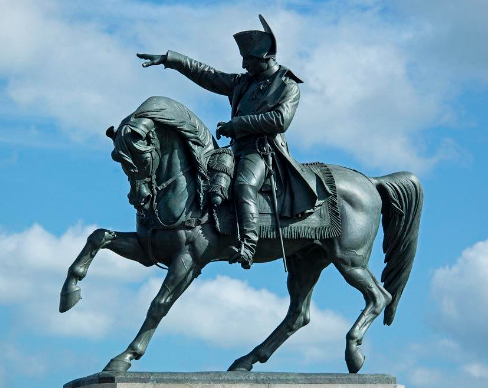
Equestrian statues of Napoleon are grander in scale and design, often highlighting his power and authority as a military leader. By depicting him on a horse, these artworks symbolize dominance and control, conveying a sense of invincibility. The famous Equestrian Statue of Napoleon at the Place des Vosges portrays him heroically on horseback, capturing a dynamic pose that suggests movement and strength, characteristic of his military prowess.
These statues serve not only as indicators of his ambition but also as reminders of the legacy of conquest associated with his reign. Equestrian representations were especially popular in the 19th century as a way to instill national pride, serving as monuments to military triumphs. The position of Napoleon atop a horse also elevates him above mere mortals, reinforcing the idea of a leader who commands not just respect but also fear.
-
- Examine the materials used in equestrian statues and their impact on art.
-
- Learn how these statues have evolved over time, reflecting changes in artistic style.
-
- Consider how location influences the public perception of these monuments.
-
- Discuss with friends or in a group setting about the symbolism in equestrian statues.
3. Comparing the Artistic Intent: Stand vs. Ride
The artistic intent behind standing and equestrian statues can significantly differ, reflecting the nuances of Napoleon’s multifaceted personality. While standing statues seek to humanize Napoleon and offer a glimpse into his personal character, equestrian statues amplify his public persona as a powerful leader. The choice between the two forms reveals what the artist intends to communicate—whether it be admiration, reverence, or critique of Napoleon’s role in history.
Furthermore, the aesthetic choices in each type vary considerably. Standing statues often focus on intricate clothing details, facial expressions, and body language, capturing subtleties that convey emotions. On the other hand, equestrian statues tend to highlight the grandeur of the horse and the dramatic posturing associated with nobility and heroism, often invoking feelings of awe and inspiration among viewers.
-
- Attend workshops on art analysis to better understand artistic intentions.
-
- Explore different cultures’ approaches to sculpture and how they differ from European styles.
-
- Engage in community discussions or forums online to get diverse perspectives.
-
- Visit historical sites that feature both standing and equestrian statues and compare.
4. Historical Context and Legacy: The Time and Place of Creation
The historical context during which these statues were created plays a critical role in their conception. Standing statues emerged during periods that often prioritized personal leadership and connection to the populace, reflecting the political aspirations of a nation in flux. In contrast, equestrian statues became prominent during times of national pride and military victories, often commissioned to bolster societal morale in the wake of war.
This difference extends to how each statue was received by the public. Standing statues, arguably more accessible, often evoked discussion among citizens, fostering a sense of community. Equestrian statues, usually located in prominent areas, became symbols of national unity, serving as reminders of collective history and memory. Both forms, therefore, encapsulate the spirit of their time while also contributing to the narrative surrounding Napoleon’s legacy.
-
- Research historical events around the time each statue was created.
-
- Consider how public perception of Napoleon changed during and after his reign.
-
- Analyze the role of these statues in modern-day public discussion about history.
-
- Reflect on how art can influence political identity and national pride.
In conclusion, the comparison between standing and equestrian statues of Napoleon reveals much about artistic expression and cultural significance. Each form leaves a unique imprint on history, reflecting the multifaceted nature of this iconic figure. Whether you’re an art enthusiast or a history buff, exploring these statues can offer deep insights into both the past and the enduring legacy of Napoleon Bonaparte.