Agostino Bonalumi’s Spatial Abstract Reliefs
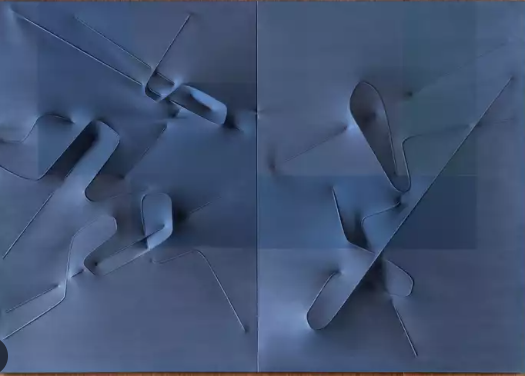
Agostino Bonalumi, a pivotal figure in the post-war Italian art scene, is renowned for his innovative approach to spatial abstraction. His works go beyond traditional painting, creating a unique dialogue between two-dimensional and three-dimensional forms. In this blog post, we will explore the essence of Bonalumi’s spatial abstract reliefs, their significance in contemporary art, and what makes them a captivating subject for art lovers and historians alike.
1. The Emergence of Spatial Abstraction
Agostino Bonalumi was a significant player in the 20th-century art movement that embraced spatial abstraction. Emerging in the 1960s, his work reflects a response to the rigid constraints of modernist painting. By incorporating elements like curvature and texture, Bonalumi began to create reliefs that engaged the viewer in a dynamic interplay between light and shadow. His art encourages spectators to not only observe but also navigate through physical space, making their viewing experience participatory.
2. Techniques and Materials
One of the hallmarks of Bonalumi’s work is his masterful use of materials. He often combined conventional painting techniques with unconventional mediums, such as canvas stretched over shaped supports. This approach allowed for the creation of varying depths and contours that transformed each piece into an engaging object in its own right. His innovative use of colors, often inspired by the environment, lends each work an emotional resonance that challenges the viewer’s perception and evocation of space.
3. Cultural Impact and Legacy
Bonalumi’s artistic vision transcends mere aesthetics, encouraging conversations around perception and spatial dynamics. His work has influenced generations of artists, prompting them to explore the boundaries of form and space. Exhibitions around the world have celebrated his contributions, rendering him a vital figure in discussions about post-war art movements. By redefining the concept of a “painting,” Bonalumi invites us to reflect on how we interact with art and the spaces it occupies.
In conclusion, Agostino Bonalumi’s spatial abstract reliefs represent a fascinating convergence of art, architecture, and viewer interaction. His innovative techniques and vision continue to inspire and challenge us to engage with art on a deeper level. If you’re intrigued by the interplay of form and space, consider exploring Bonalumi’s works further—visit a gallery, read a book, or even attend an exhibition to gain deeper insights into this remarkable artist’s legacy!