Marina Abramović’s Abstract Performative Forms: A Journey Through Art and Emotion
Marina Abramović, a pioneering figure in performance art, has captivated audiences with her unique approach to exploring the boundaries of physicality, emotion, and engagement. Her abstract performative forms are not just artistic expressions; they are immersive experiences that challenge perceptions and evoke deep feelings. Understanding her work is essential for anyone interested in contemporary art and the ways it intersects with human experience.
1. The Essence of Performance Art
At its core, performance art defies traditional artistic boundaries by involving the artist’s body as a primary medium. Abramović’s performances often involve long durations and intense physicality, pushing the limits of endurance and vulnerability. Her work invites audiences to witness raw human emotion and the complexities of interpersonal relationships. For instance, in her iconic piece “The Artist is Present,” she engaged each visitor to the museum in silent dialogue, creating a unique bond through the shared experience of presence. This approach to performance art emphasizes the importance of the ephemeral moment—an exploration of time, space, and human connection.
2. Exploring Abstract Concepts through Movement
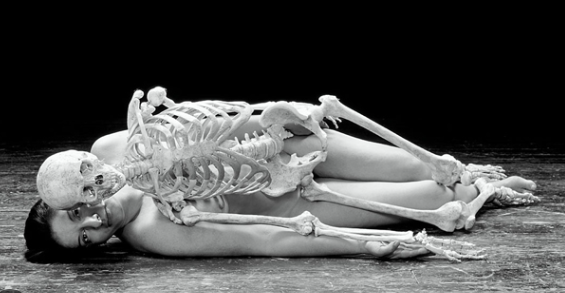
Abramović’s abstract performative forms often engage with conceptual ideas of identity, memory, and the body. By using her body as a canvas, she challenges the viewer’s understanding of self and otherness. In works like “Rhythm 0,” she tested the limits of trust and aggression, inviting the audience to interact with her in ways that blurred ethical lines. This interplay of control and submission creates a rich tapestry of emotional response, compelling viewers to confront their own reactions and the broader implications of their actions in societal contexts. Through movement and presence, Abramović addresses complex themes that resonate deeply within the human psyche.
3. The Impact of Audience Engagement
One of the most transformative aspects of Abramović’s work is her emphasis on audience participation. She creates environments that invite viewers to not just observe but to be part of the performance itself. This interaction can strip away the barriers between artist and audience, transforming passive spectators into active participants. For instance, in “512 Hours,” she led the audience through a series of meditative exercises designed to foster a profound connection to time, space, and each other. By actively engaging the audience, Abramović challenges traditional notions of art consumption and encourages a shared experience that can be both enlightening and cathartic.
In conclusion, Marina Abramović’s abstract performative forms offer a powerful exploration of human emotion, connection, and identity. Her work transcends conventional boundaries, inviting audiences to reflect on their own experiences and relationships. If you’re intrigued by the fusion of art and emotional engagement, delve deeper into Abramović’s projects and discover the transformative power of performance art.