Tinguely’s Mechanical Abstractions: A Dance of Art and Engineering
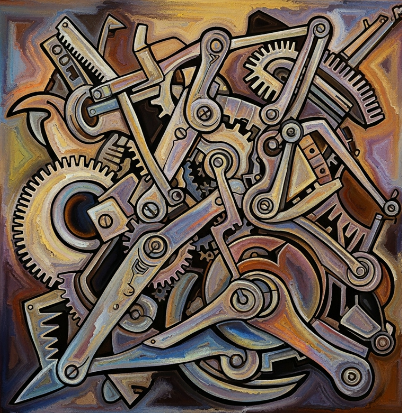
Jean Tinguely, a Swiss artist renowned for his remarkable kinetic sculptures, has captivated audiences with his unique approach to art that merges movement and mechanization. His works, often whimsical and satirical, challenge traditional perspectives on art while inviting spectators to ponder deeper themes of creation and destruction. Understanding Tinguely’s mechanical abstractions offers valuable insights into the interplay between art and technology.
1. The Essence of Kinetic Art
Kinetic art, as exemplified by Tinguely, is an intriguing form that emphasizes movement as a fundamental aspect of the artwork. Unlike static sculptures, Tinguely’s pieces are designed to move, whir, and clatter, engaging viewers in a dynamic experience. This incorporation of motion not only highlights the transformative nature of art but also encourages interaction; audiences become active participants rather than mere observers. By leveraging mechanical components, Tinguely’s art evokes a sense of curiosity and joy, inviting viewers to appreciate the beauty of motion in a way that static pieces cannot.
2. Satire and Critique through Mechanization
Tinguely’s sculptures often reflect a playful yet critical view of the modern world. Many of his works, such as the iconic “Méta-Matic,” serve as commentaries on consumerism, technology, and the environmental consequences of industrialization. By creating machines that seemingly produce art, Tinguely challenges the notion of the artist as the sole creator, questioning the commodification of art and the role of technology in society. This satirical lens allows audiences to reflect on their relationship with machines and industry, prompting deeper conversations about the balance between progress and preservation.
3. The Experience of Tinguely’s Installations
Visiting a Tinguely installation is truly a sensory experience. His pieces often feature intricate designs that combine vibrant colors, mechanical sounds, and unexpected movements, creating an environment filled with wonder and excitement. One of the most celebrated installations, “Tinguely Fountain” in Basel, Switzerland, encapsulates this experience perfectly. The fountain comes alive with playful jets of water that dance and splash, mesmerizing visitors. Engaging with Tinguely’s work allows people to experience art that evolves and surprises, making every visit unique. This sense of spontaneity reminds us that art can be a fluid concept, constantly in motion and open to interpretation.
Conclusion
Jean Tinguely’s mechanical abstractions invite us to reconsider the boundaries of art, technology, and our interactions with both. His ability to blend movement with commentary creates a rich tapestry of artistic expression that resonates with audiences worldwide. If you’re intrigued by Tinguely’s work and its implications, consider exploring more about kinetic art or planning a visit to see his installations firsthand. Dive into the world where art meets motion, and discover the vibrant dialogue Tinguely has sparked through his imaginative creations!