In the world of Christian art decor, visual language not only conveys beauty but also carries profound meanings of faith. From the initial simple wooden structures to the later complex and magnificent architectural systems, churches have always been inseparable from artistic elements symbolizing theological thought. Among them, church sculptures are the most expressive, telling biblical stories and expressing spiritual truths in a figurative form, infusing the space with a sacred narrative.
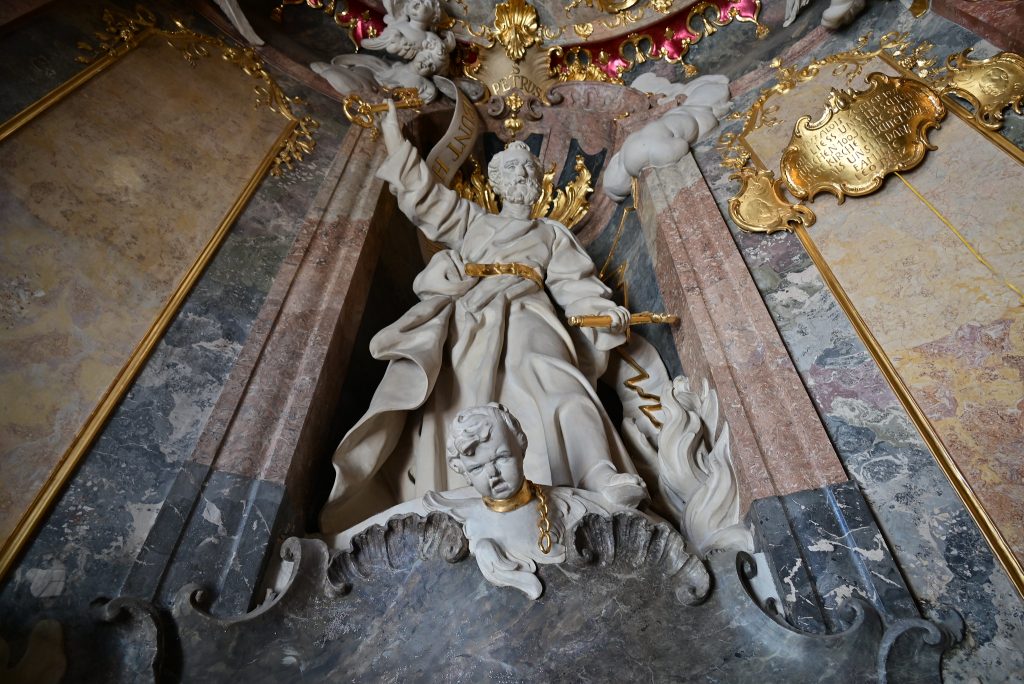
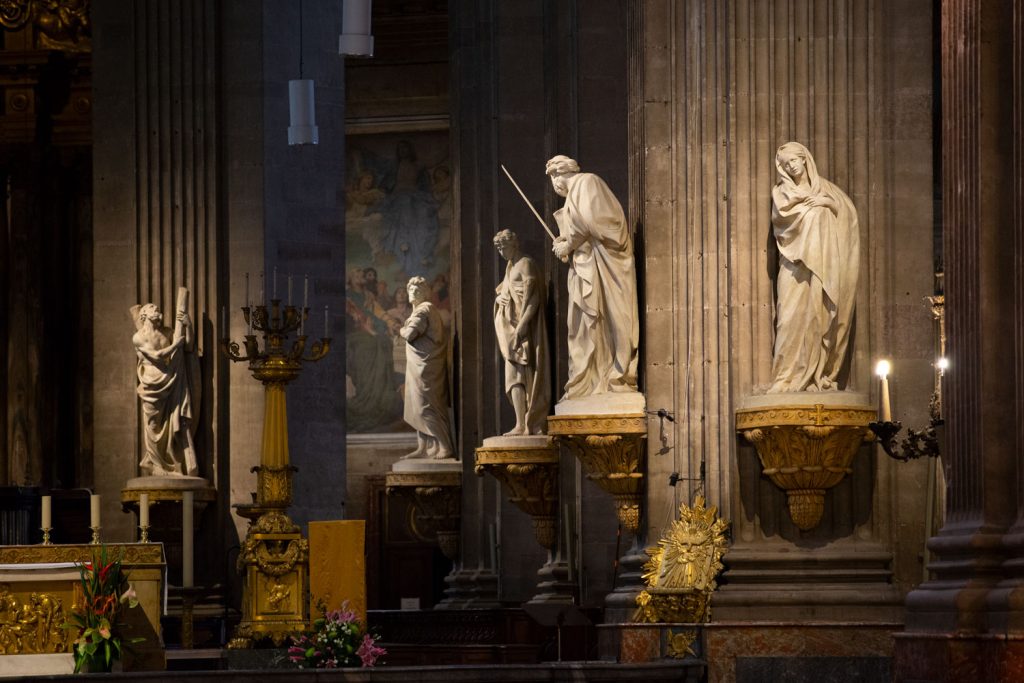
Upon entering a church, sculptures are often the first art form to attract attention. Whether depicting the suffering of Jesus, the Virgin Mary symbolizing love, or a group of apostles witnessing the journey of faith, each church sculpture is a visual theology created by the artist with a devout heart. The posture, folds of clothing, and details of expression in the sculpture often touch the viewer’s heart more than words, allowing believers to naturally enter into meditation and prayer while appreciating the work.
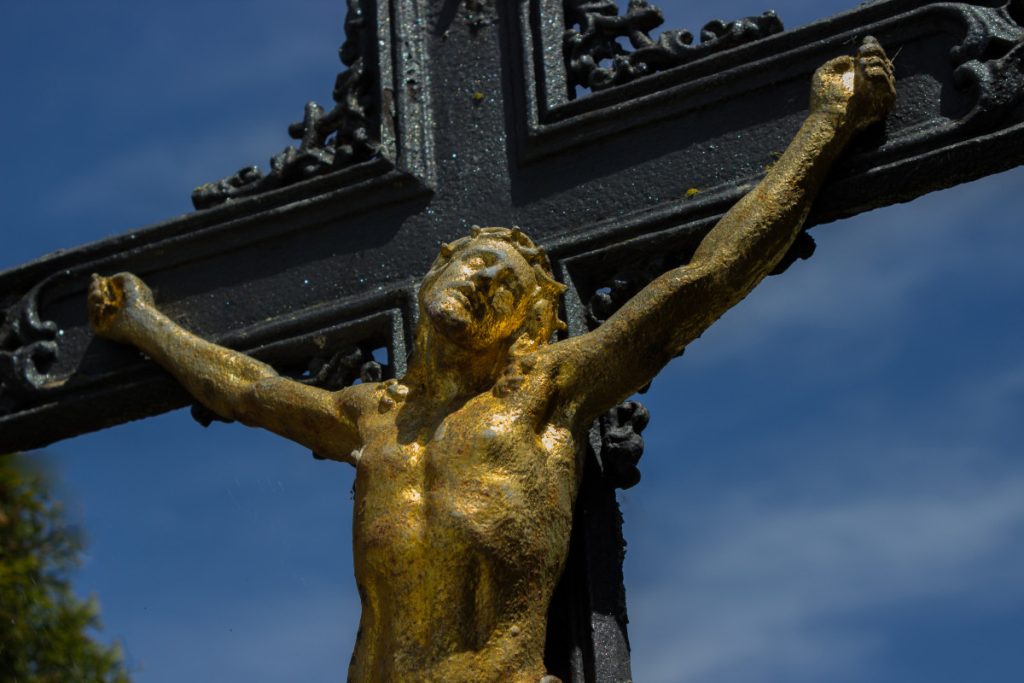
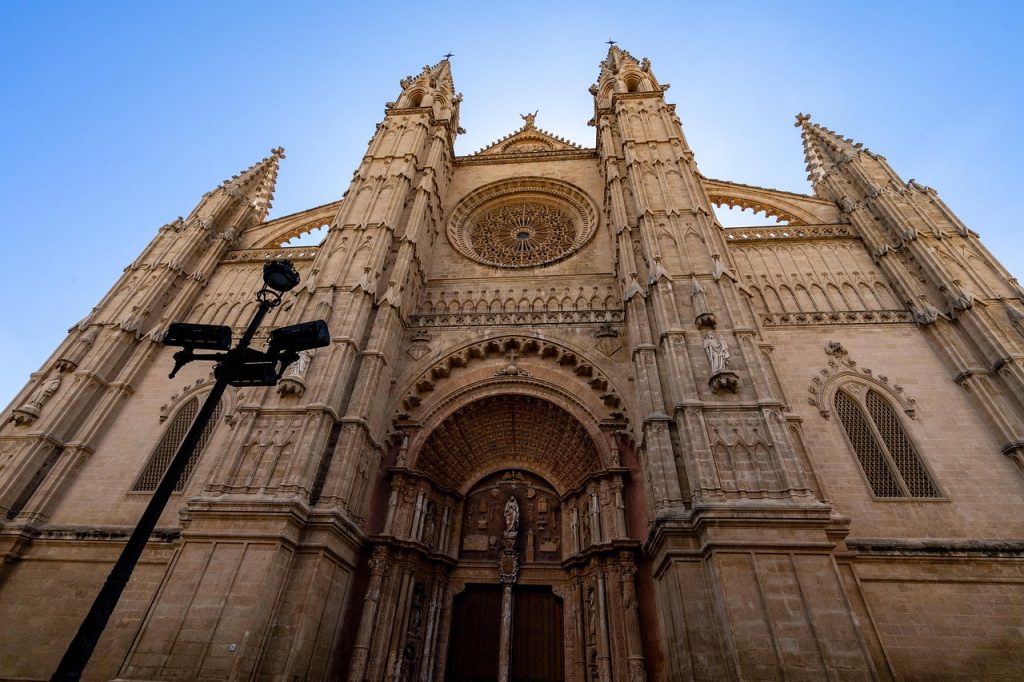
From an artistic style perspective, Christian art decor transcends the heaviness of Romanesque, the delicacy of Gothic, the realism of Renaissance, and the drama of Baroque, presenting a rich and diverse aesthetic level. From folk crafts to masterpieces by renowned artists, these elements collectively constitute the vast landscape of Christian art and decoration.
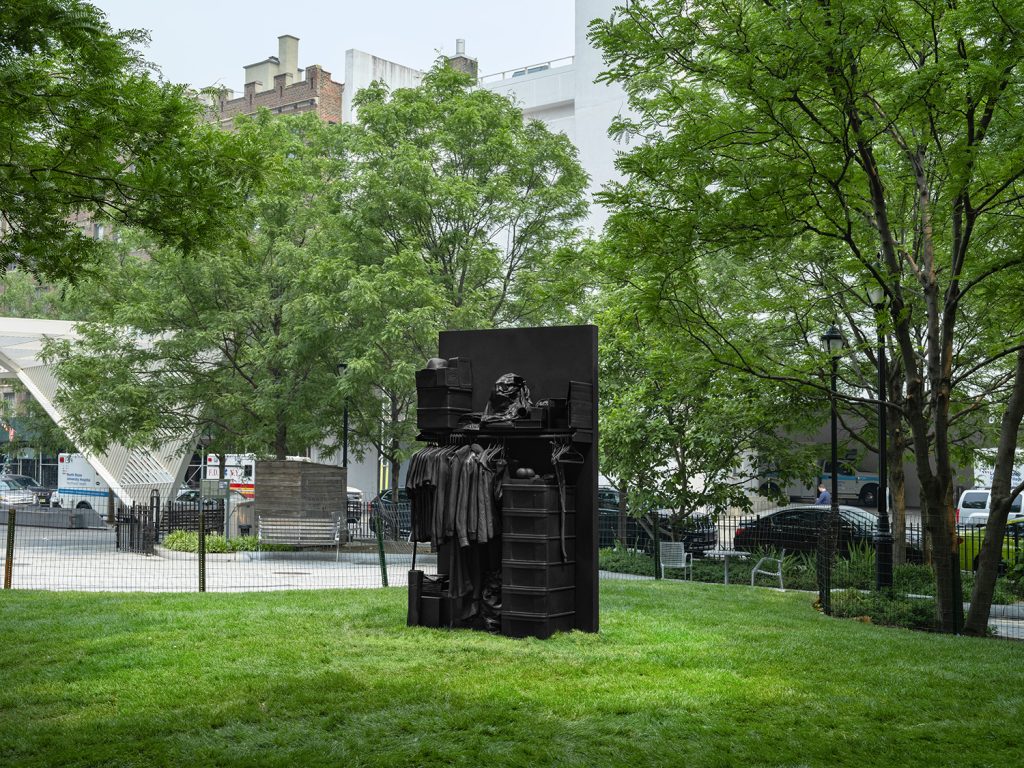
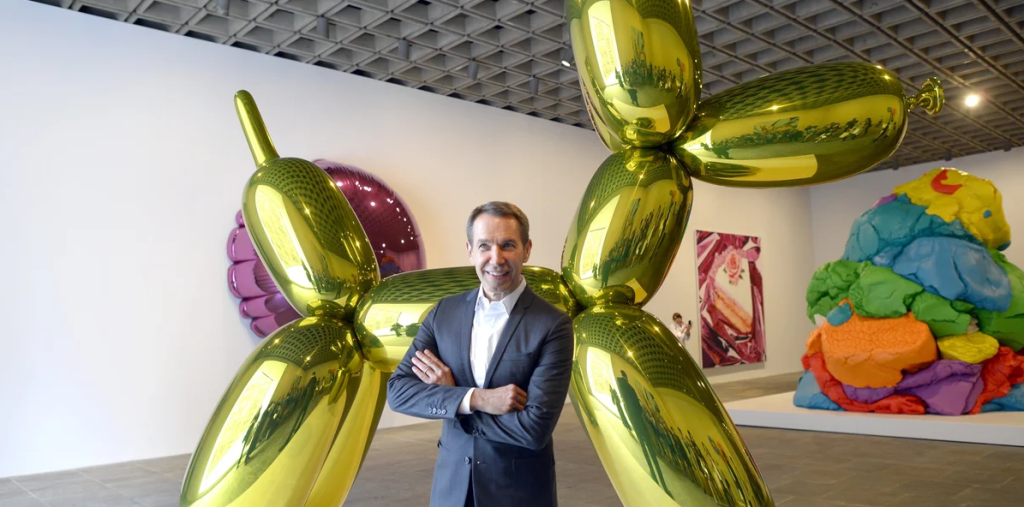
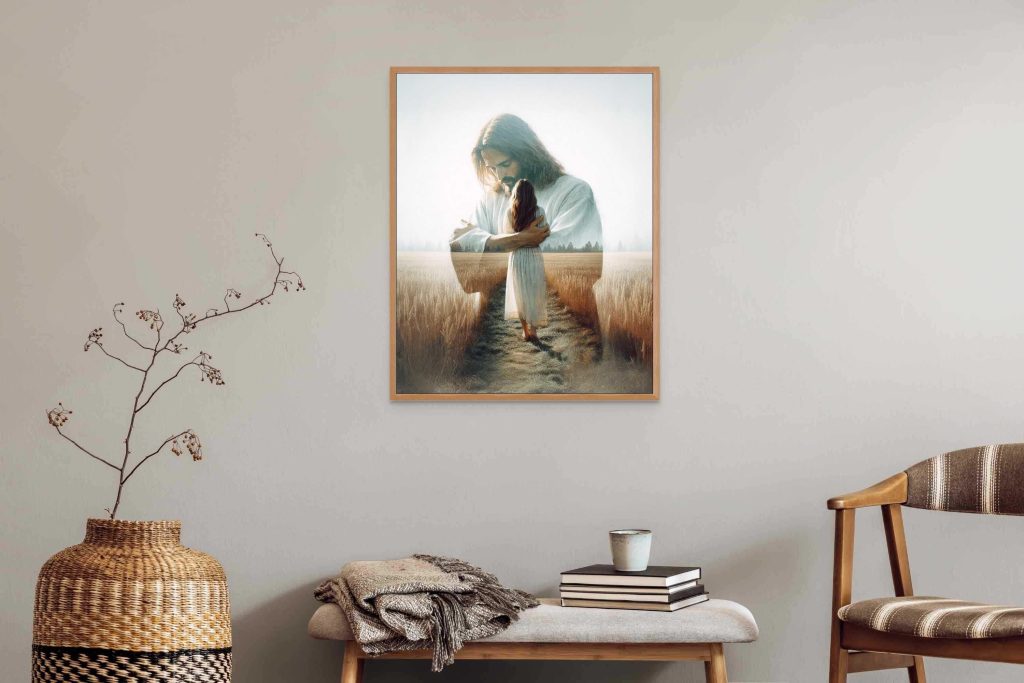
Today, church sculptures not only exist in religious spaces but are also increasingly becoming important elements in home decoration, art collections, and cultural exhibitions. They allow people to experience the beauty of faith in their daily lives and enable Christian art to continue influencing the world with a more open attitude.